by Sofia Tesfazion, IRRI Regional Director for Africa ADDIS ABABA, Ethiopia (14 October 2026) – In Kigali in September, more than 5,000 delegates from over 50 countries
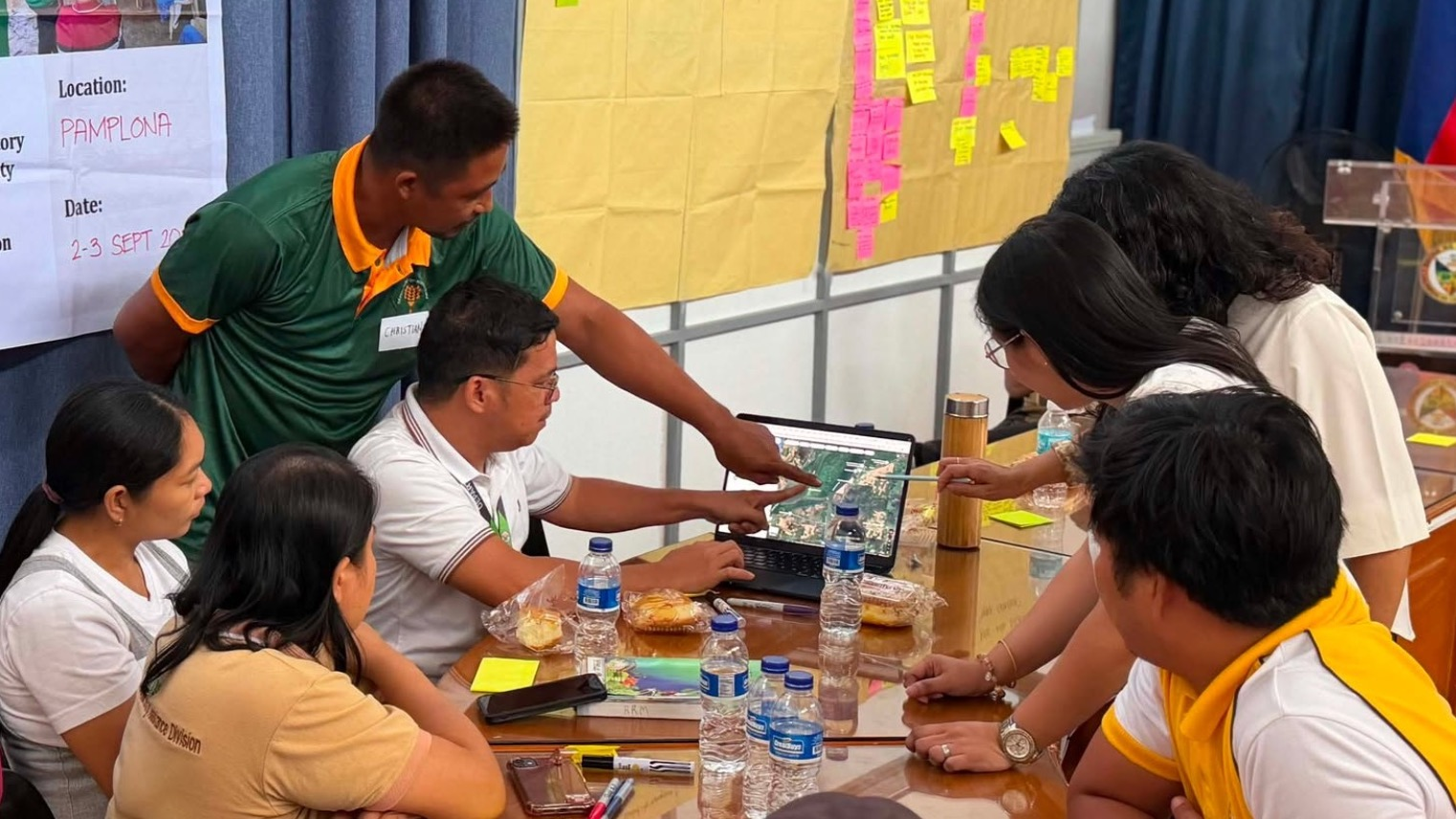
DA and IRRI are mapping local climate risks across three AMIA sites to guide tailored climate-smart solutions that strengthen farmers’ resilience and support sustainable rice
Rice feeds more than half of humanity, yet the flooded fields it depends on are among agriculture’s most stubborn sources of methane, a greenhouse gas roughly eighty times more
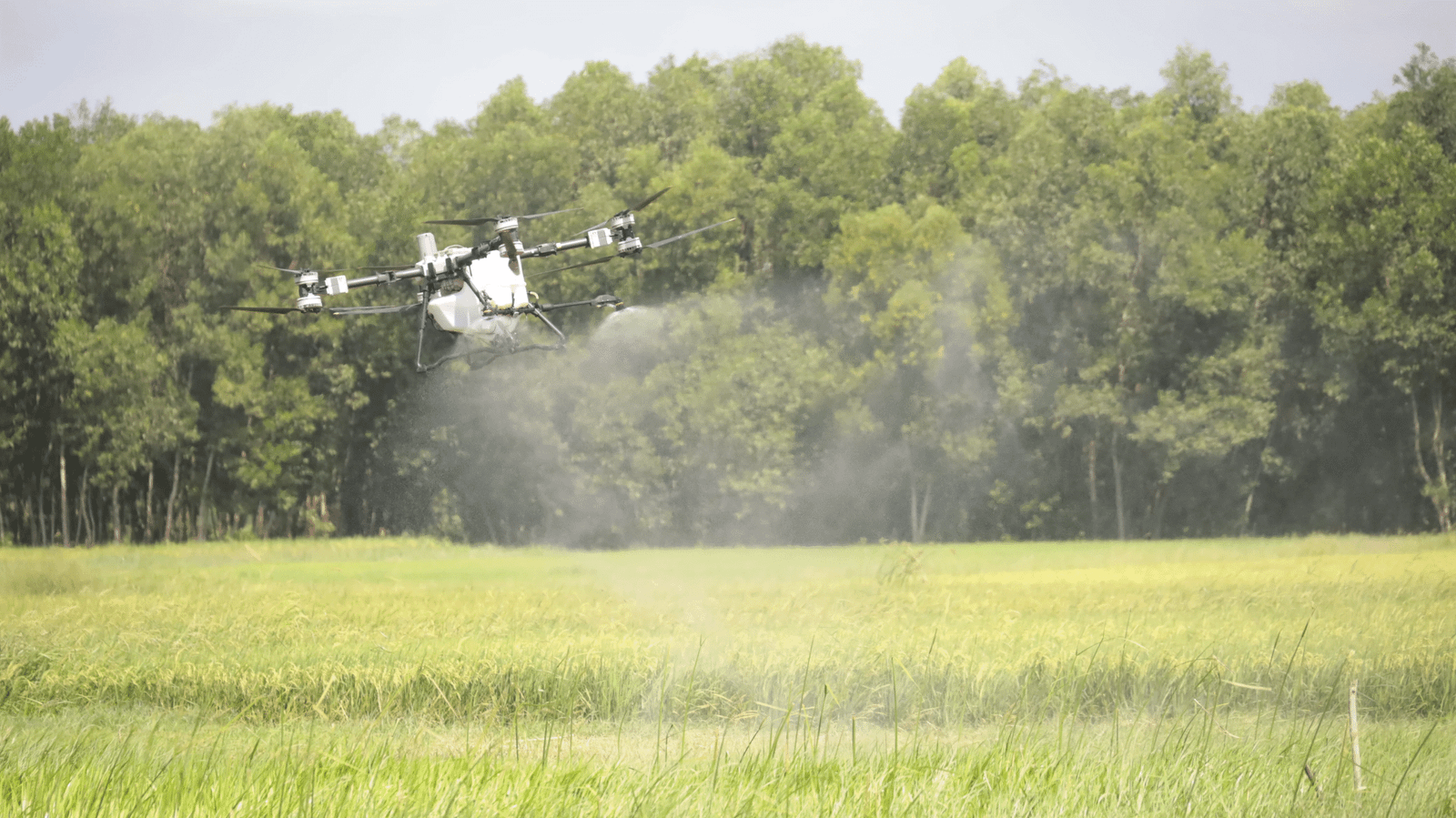
Drones, autonomous vehicles, and data management platforms are opening up new production methods in agriculture. However, technology only truly proves its value when it is suited
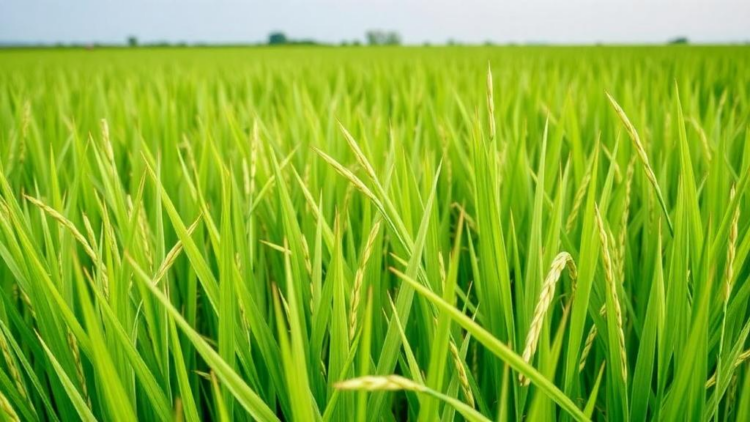
Direct-seeded rice was supposed to make farmers’ lives easier. Instead of the back-breaking, water-hungry ritual of transplanting seedlings into flooded paddies, growers simply
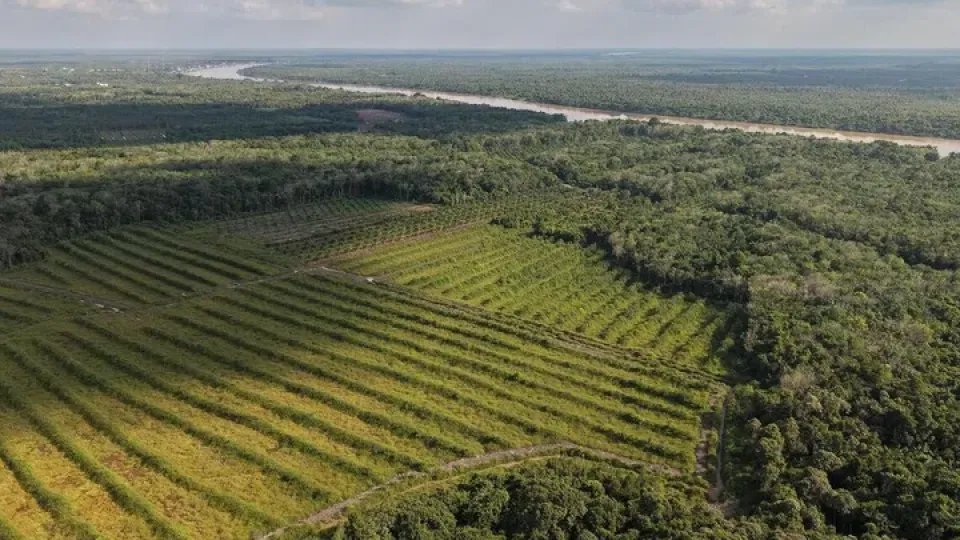
After achieving self-sufficiency in rice staples ahead of schedule, Indonesia wants to move away from clearing forests for new paddy fields. But the government has yet to clarify
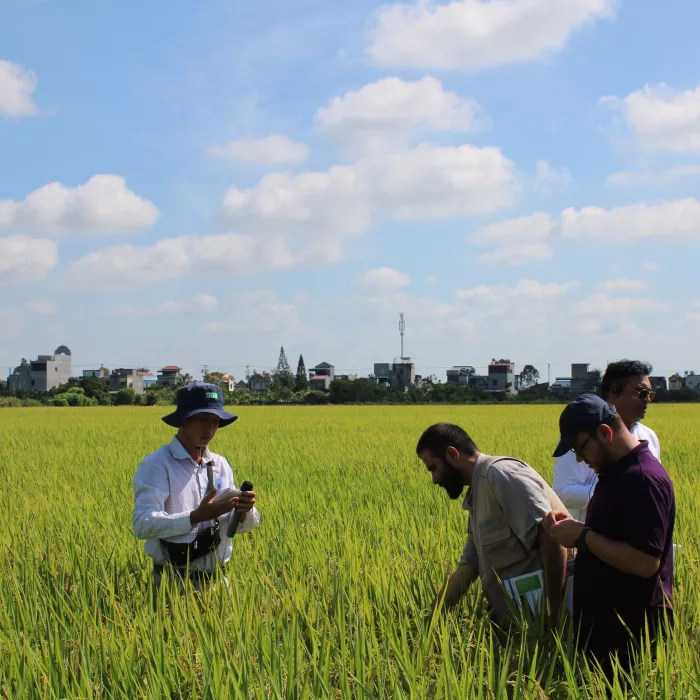
A regional field exchange at Nam Cuong Cooperative in Vietnam brought together Asian research partners to explore low-emission rice production, rice-straw composting, and
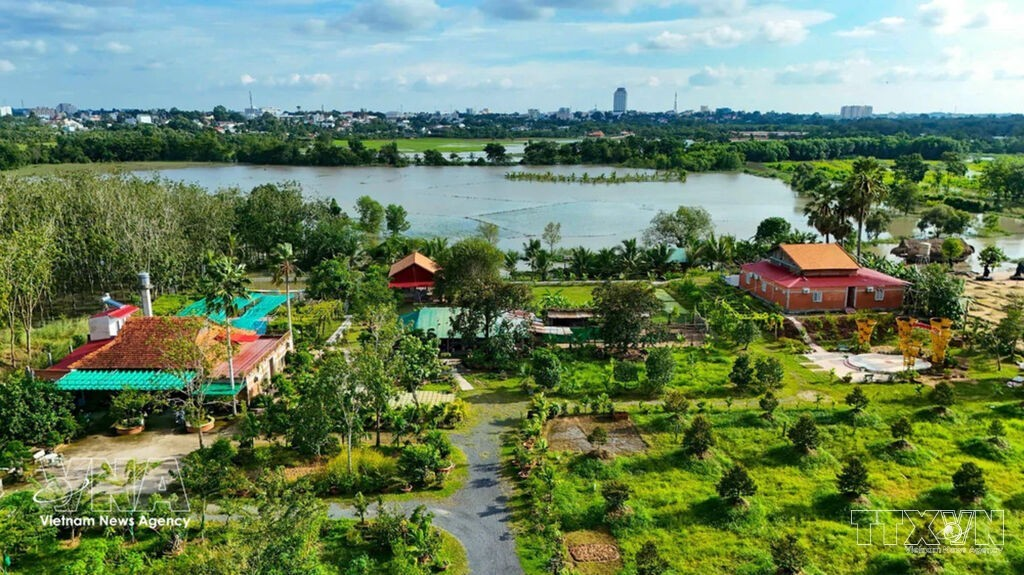
In Ho Chi Minh City and southern localities, many young entrepreneurs are moving beyond the traditional use of local agricultural products to develop commercially viable products,
By Bioengineer A humble soil amendment made from burned crop residue may hold the key to one of rice farming’s most persistent problems. A two-year field experiment in Northeast
(paid advertisement)
This will close in 0 seconds