Downloads
 Login
Login
 Register

Tags
Thailand’s climate-smart rice keeps the world’s table fragrant
Silapakorn Sangsinchai
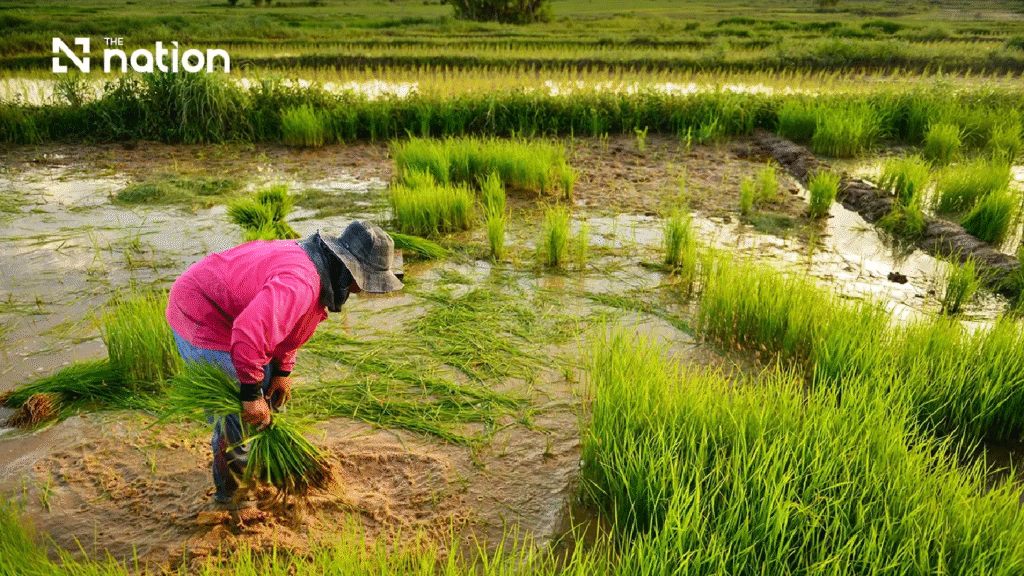
Thailand is developing climate-resilient rice strains and greener farming methods to protect farmers, cut emissions and keep Thai rice at the heart of the global dinner table.
Thailand’s next great rice export may be resilience itself.
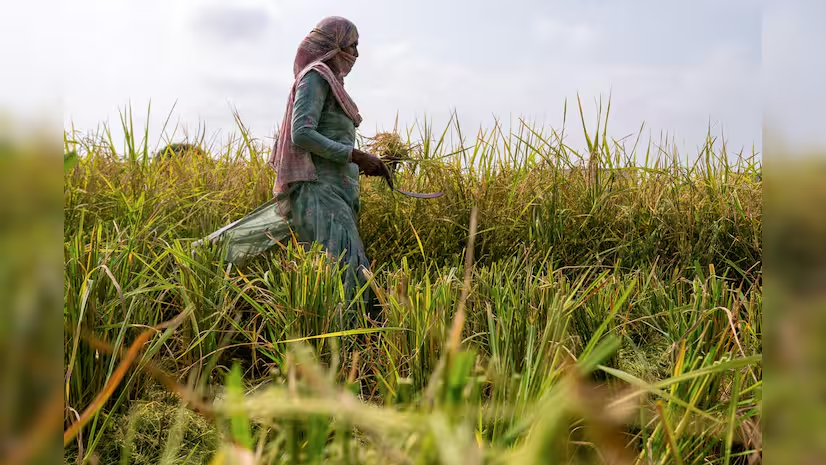
Across the country’s paddies, climate change is rewriting the old agricultural calendar. Sudden floods, longer dry spells and hotter growing seasons are turning rice farming into a test of science as much as tradition. Thailand’s answer is not retreat, but reinvention.
At the centre of this shift is the Thai Rice: Strengthening Climate-Smart Rice Farming Project, a €118 million initiative running from 2024 to 2028. The programme aims to help 253,400 Thai rice farmers adopt climate-smart practices and reduce emissions by 2.44 million tonnes of CO₂ equivalent by 2028, with support from partners including the Green Climate Fund, Germany’s BMZ, GIZ Thailand, the Rice Department, BAAC and the International Rice Research Institute.
The science is already moving from laboratory to field. Thai researchers have showcased rice varieties designed for heat tolerance, drought resistance, flood resistance, salinity tolerance, pest resistance and cooking quality suited to consumer demand. In other words, the rice of the future must do more than survive a difficult climate; it must still belong on the plate.
That balance is Thailand’s quiet advantage. A climate-smart grain is useful only if it can still carry the perfume of jasmine rice, soften beside a green curry, and satisfy households from Bangkok to Berlin. Thai innovation is therefore not chasing yield alone. It is defending flavour, texture and trust.
The farming methods are changing too. The climate-smart programme promotes technologies such as laser land levelling, alternate wetting and drying, better straw management, site-specific nutrients, dry direct seeding, integrated pest management and agro-meteorological advisory services. Together, they turn the paddy into a more precise, lower-emission system.
One especially promising method is alternate wetting and drying, which allows fields to dry at intervals instead of remaining continuously flooded. A Thai field study found the technique reduced annual greenhouse-gas emissions by 48.2%, saved irrigation water by an average of 16.8%, and maintained rice yield compared with traditional practice.
For Thailand, this is more than an environmental upgrade. It is a national brand strategy for a warmer world. By pairing resilient genetics with smarter water use and lower-carbon production, Thailand is protecting farmers’ incomes, strengthening food security and keeping its rice competitive in premium markets.
The message from the paddies is simple: the future of Thai rice will not be less delicious because it is more sustainable. It will be more valuable because it is ready for tomorrow.
https://www.nationthailand.com/blogs/sustainability/net-zero/40068138Published Date: July 2, 2026


 READ
READ