Downloads
 Login
Login
 Register


Tags
Cameroon, Angola lead Central Africa’s rice imports as ECCAS pushes for higher local production
Central African countries continue to spend hundreds of millions of dollars on imported rice as regional leaders step up plans to increase local production.
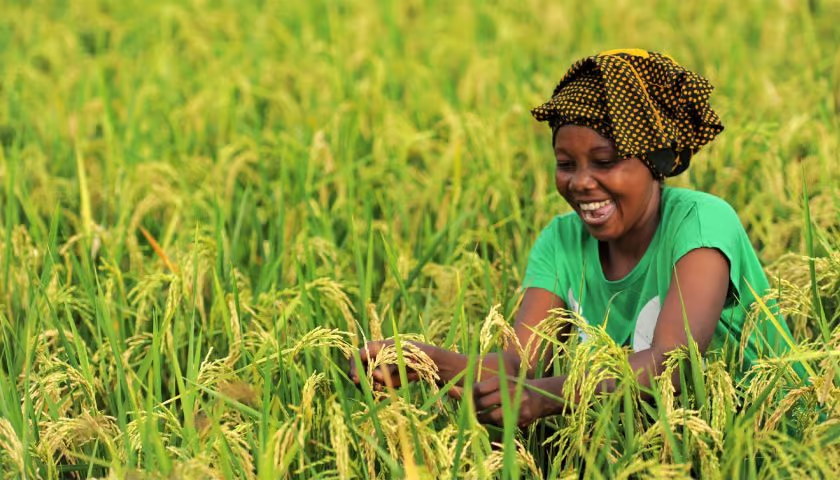
CENTRAL AFRICA – Cameroon remains the largest importer of rice in the Economic Community of Central African States (ECCAS), highlighting the region’s continued dependence on foreign supplies despite renewed efforts to increase domestic production.
According to data compiled from the Trade Map platform, ECCAS countries imported an average of almost 1.66 million tonnes of rice each year between 2021 and 2025. The region spent an average of US$910 million (US$910 million) annually on these imports during the same period.
The figures come as ECCAS member states approved the Regional Rice Development Strategy during a meeting held in Libreville, Gabon, from June 16 to 18. The strategy aims to increase rice production, strengthen food security and support regional trade as countries seek to reduce their reliance on imports.
Cameroon accounted for the largest share of imported rice, purchasing an average of nearly 760,000 tonnes each year between 2021 and 2025. Official data shows the country still imports more than half of the rice it consumes. Rice is the country’s second most consumed cereal after maize, with annual per capita consumption estimated at about 25 kilograms, close to the African average of 26 kilograms, according to the Food and Agriculture Organization of the United Nations.
Angola ranked second with average annual imports of almost 422,000 tonnes over the five year period. Although located in Southern Africa, Angola is an ECCAS member. Official figures indicate the country imports about 90% of its rice requirements. Rice is the second most consumed cereal after maize, with annual per capita consumption estimated at around 40 kilograms.
The Democratic Republic of the Congo imported an average of nearly 210,000 tonnes of rice each year between 2021 and 2025, with imports meeting almost 65% of domestic demand. Rice serves both household consumption and beer production, although annual per capita consumption remains relatively low at about 7 kilograms.
The Republic of the Congo followed with average annual imports of almost 116,200 tonnes. Official data shows imports supply more than 90% of domestic demand. Rice ranks as the country’s second main staple after cassava, particularly in urban areas, where consumption is significantly higher than in rural communities.
Gabon completed the top five, importing an average of about 70,200 tonnes each year. The country depends on imports for nearly all of its rice needs, while annual per capita cereal consumption stands at around 44 kilograms, the highest among the five countries.
The latest import figures underline the importance of the Regional Rice Development Strategy as ECCAS countries work to expand local production and reduce spending on imported rice.
https://millingmea.com/cameroon-angola-lead-central-africas-rice-imports-as-eccas-pushes-for-higher-local-production/Published Date: July 7, 2026


 READ
READ