Downloads
 Login
Login
 Register


Tags
Rising costs squeeze Thai rice farmers, threaten government support
A rice grower from Ayutthaya says government promises vanished after elections. Rising farm costs now test rural patience ahead of nationwide polls.
As stated by Reuters
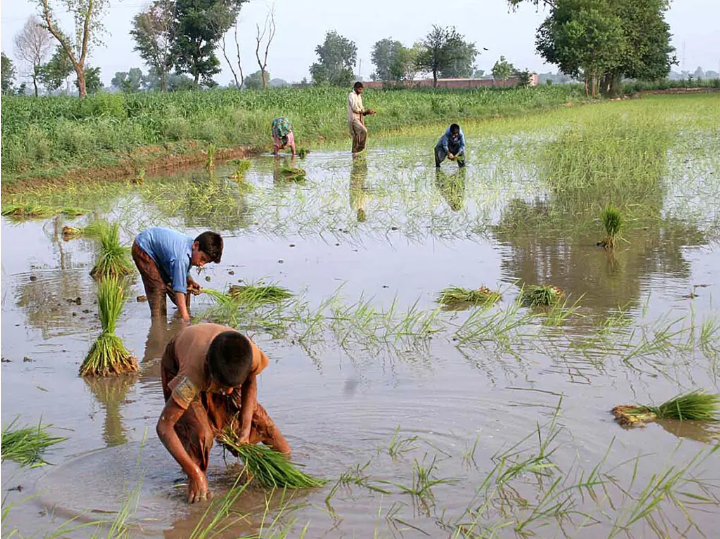
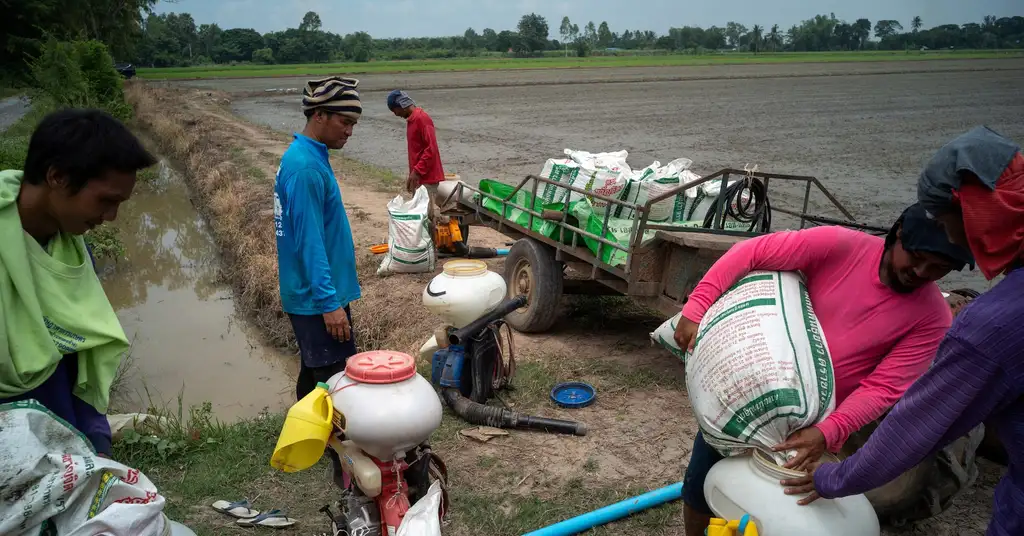
BANGKOK, June 11 – amid looming national elections in Thailand, politicians are increasingly appealing to voters in the provinces, as 69-year-old rice farmer Chaon Taiupok from Ayutthaya, about 80 km north of Bangkok, did. His story reflects the concerns of many farmers: rising costs of fuel and fertilizer together with falling rice prices threaten their incomes.
“As soon as they won and formed a government, they disappeared.”
– Chaon Taiupok
Among the main factors are rising fuel costs, notably diesel fuels, and higher fertilizer prices due to widescale geo-economic upheavals, including the war in Iran. At the same time the price of plant fertilizers has risen by more than thirty percent, adding pressure on farmers whose income depends on a successful harvest season and global markets.
“The government is not solving the problem,” says Chaon, who faces financial hardship due to rising costs and volatile rice prices. Nevertheless, public support for the new administration is waning, and analysts note increasing political risk for Prime Minister Anutin Charnvirakul, who came to power after winning the election with a substantial rural-based margin, but is now confronting a crisis caused by price increases driven by the war.
An May poll by Suan Dusit University shows that about 57% of respondents believe the government is not meeting expectations, compared with 68% in March who expressed optimism about its actions.
“The government will implement further measures to support people and increase trust in its actions.”
– Plootlay Laksasmeesaenjang
Farmers’ woes underscore the pressure on Southeast Asia’s second-largest economy, where growth is faltering due to a weak domestic demand rebound after the pandemic. At the same time the country lags behind its regional rivals due to reliance on a slowly recovering tourism sector and weak domestic demand. Many citizens are calling for swifter action to address rising living costs.
Finance Minister Ekniti Nitithanpras has described the situation as a “crisis of living standards,” acknowledging the pressure on ordinary families. However, after years of stimulus, the state has limited room to maneuver in fiscal policy, and inflation remains near the upper bound of the central bank’s target range, according to current forecasts. Meanwhile, household debt in Thailand stands at about 86.7% of GDP – one of the highest levels in Asia, indicating limited impact of government stimulus programs.
To ease farmers’ burdens, the government has rolled out a range of supports, including a consumer-subsidy program and other measures under the 400-billion-baht loan initiative. At the same time some programs, including subsidies of about 1,000 baht per rai, do not fully offset rising fertilizer and fuel costs. Representatives of farmer organizations are pressing for more systemic solutions at the national level and in upgrading rice market policy.
According to Phayong Saengthong, a 64-year-old rice farmer from Ayutthaya, debt has become unbearable for him. “The debt is enormous,” he says. Among other farmers facing hardship are more than 3.73 million borrowers from the Bank for Agriculture and Cooperatives, many of whom find themselves in a “debt trap” that’s hard to escape even after retirement, according to a April report by the central bank’s research institute.
Additionally, rice prices fell sharply last year, and export prices reached an 18-year low due to global competition and oversupply. For many farmers who had relied on credit from state lenders, losing access to credit suppliers could mean stopping rice production.
Against these challenges, Prime Minister Anutin Charnvirakul and his team face pressure from the opposition and society for faster and more tangible steps to overcome debt pressure in the rural sector. Yet Thailand’s economy needs prudent and consistent reforms to reduce dependence on external price swings and improve the socio-economic conditions of people in the country.
After a decade of high debt and unstable growth, the government’s agenda is now largely focused on building trust and stabilizing citizens’ lives, with an emphasis on supporting farming families, boosting domestic demand, and further diversifying the economy. Thailand’s economy needs systemic measures to ensure sustainable development and affordable prices for staple goods for the population.
A rice grower from Ayutthaya says government promises vanished after elections. Rising farm costs now test rural patience ahead of nationwide polls.
https://mezha.net/eng/bukvy/df404f08_rising_costs_squeeze/Published Date: June 11, 2026


 READ
READ