Downloads
 Login
Login
 Register

Tags
Indonesia’s rice farmers test climate-friendly methods that cuts methane emissions, raises yields
Rice is a staple for billions but growing it contributes to climate change, as flooded paddy fields release large amounts of methane – a potent greenhouse gas.
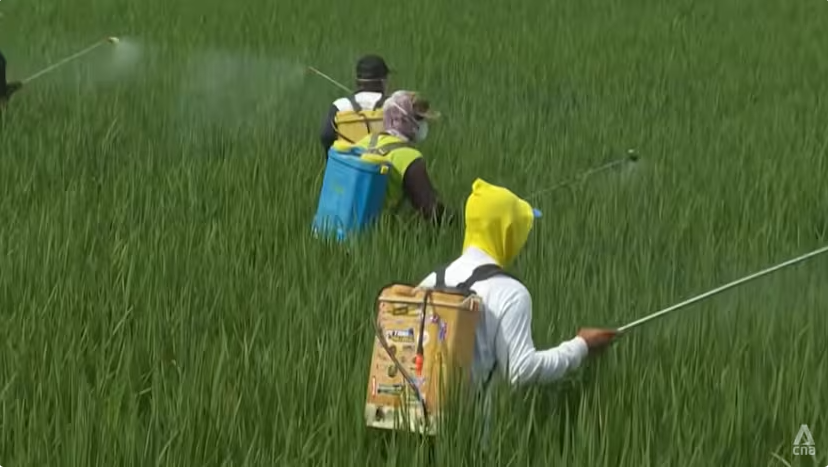
GROBOGAN, Indonesia: Rice farmers in Indonesia’s Central Java province are testing a new way of growing one of the world’s most important crops – one that could increase yields while reducing climate-warming emissions.
Early trials led by Singapore’s Temasek Life Sciences Laboratory showed methane emissions from rice farming can be cut by up to 50 per cent.
Researchers used an innovative approach that combined modified irrigation practices, a specially developed fertiliser mix and climate-resilient rice varieties.
Similar results were also recorded in parallel trials in India and Laos.
CLIMATE-FRIENDLY FARMING METHODS
Central Java is one of Indonesia’s largest rice-producing provinces, contributing more than 16 per cent of the country’s total rice output.
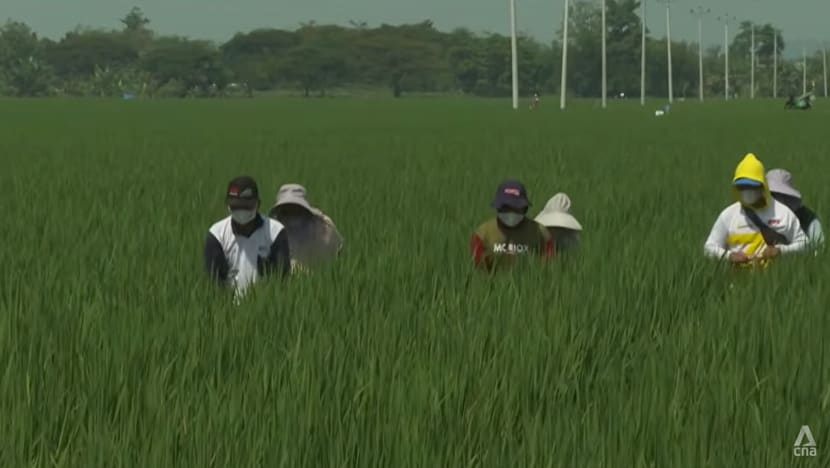
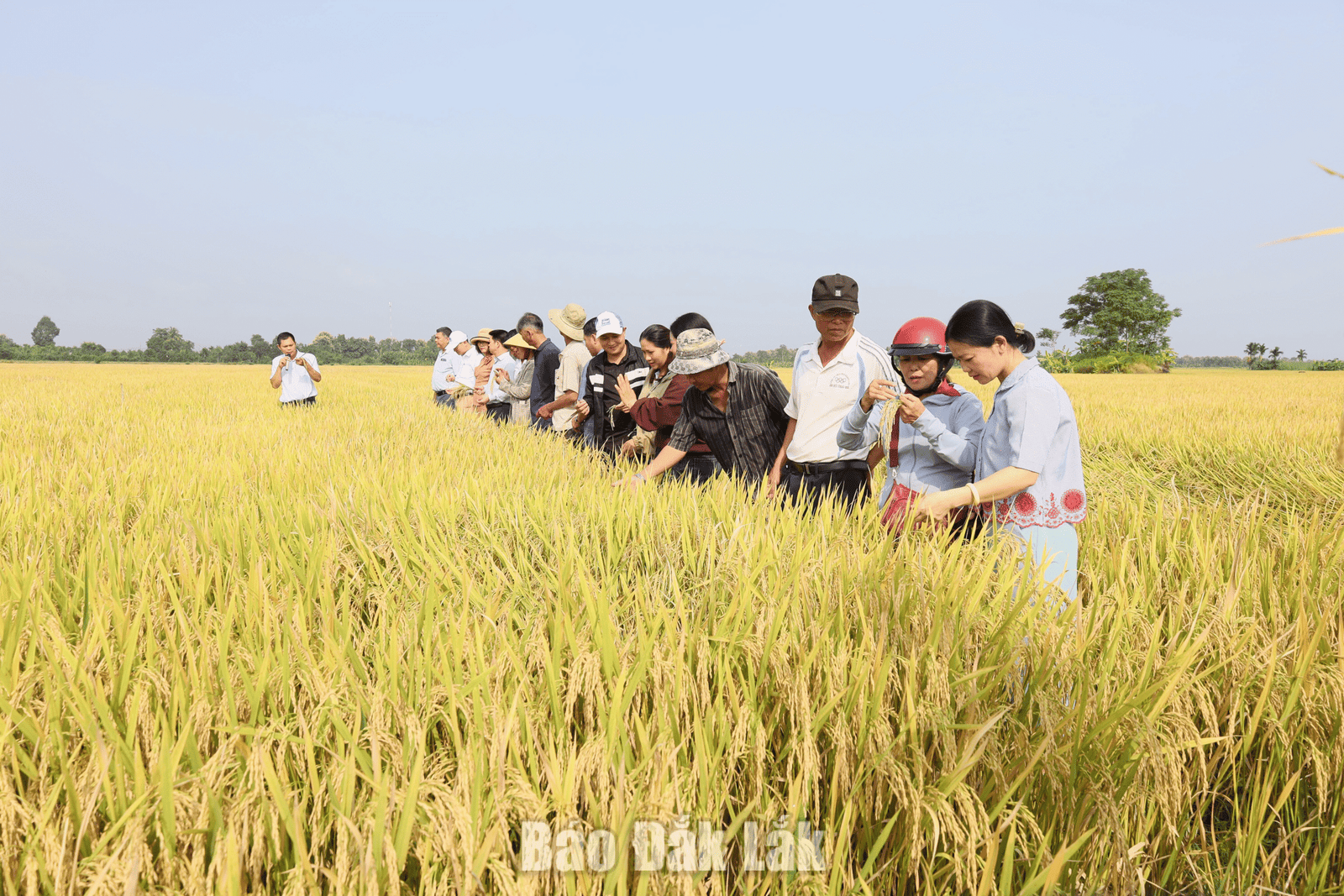
Rice farmer Kasno, from the Grobogan regency, said many farmers were initially hesitant about adopting the climate-friendly farming methods.
“Most of them are quite traditional,” said the 55-year-old, who is among 172 farmers taking part in the research institute’s Decarbonising Rice Project.
“They were worried that such projects might not succeed or could lead to crop failure. But after we explained the methods and how everything would be done, the farmers gradually accepted it.”
Before joining the project, he typically harvested around six to seven tonnes of rice per hectare. After adopting these methods, his yields have increased to about eight to nine tonnes.
His profits have gone up by about 30 per cent, said Kasno.
Farmers involved in the trial were provided with rice seeds, fertilisers and pesticides.
The first planting season began last September and ended in February this year, covering nearly 100 hectares of rice fields.
“The results were positive and we could increase the yield of the farmers by 6 per cent even though it was flooding,” said Ramachandran Srinivasan, a senior principal investigator at the Temasek Life Sciences Laboratory.
MAJOR SOURCE OF METHANE EMISSIONS
Rice is commonly grown in flooded fields because standing water helps suppress weeds.
But flooded soil also creates low-oxygen conditions that allow microbes to break down organic matter and release methane gas.
The rice plants act like natural chimneys, allowing methane to travel from the flooded soil through their roots and into the atmosphere.
Globally, flooded rice fields account for about 12 per cent of methane emissions, releasing around 60 million tonnes each year.
Methane is estimated to be 27 to 30 times more potent than carbon dioxide as a greenhouse gas.
Research into low-methane rice cultivation began years ago in laboratories in Singapore.
Last year, the Decarbonising Rice Project received an environmental award at the World Economic Forum’s Giving to Amplify Earth Action Awards.
“There is a body of science that’s been developed that could be shared with other researchers so that it can be improved upon,” said Temasek Life Sciences Laboratory CEO Peter Chia.
He added that it has built a strong network of partners experienced in tackling complex cross-border challenges, while demonstrating that rigorous scientific research can deliver tangible benefits to communities.
SCALING UP ADOPTION
A second season of large-scale trials is now underway, with a final report expected by the end of this year.
The next phase – scaling up adoption across Asia – is targeted to begin next year.
Project partners aim to produce 50,000 tonnes of low-methane rice within two years.
“We have our very deep operational presence in Indonesia. We are already working with a lot of farmer networks across Java,” said Sheetal Sharma, head of innovation and carbon projects at agri-tech firm Rize.
The project is funded mainly by the Philanthropy Asia Alliance, a Singapore-based initiative by Temasek Trust that supports environmental, health and social projects across Asia.
So far, about US$5 million in philanthropic funding has been mobilised by the alliance, drawing support from its network of partners.
“We want to make sure that the climate-friendly rice, (which is) less deleterious to the environment, will eventually be actually bought in supermarkets,” said Philanthropy Asia Alliance CEO Shaun Seow.
The Decarbonising Rice Project has a longer-term goal of producing one million tonnes of sustainably grown rice by 2032.
Researchers say its early success shows how science and farming innovation can help reduce emissions without compromising food production.
Source: CNA/ca(lt)
https://www.channelnewsasia.com/asia/indonesia-rice-farmers-climate-change-methane-emissions-paddy-fields-6127966Published Date: May 18, 2026


 READ
READ