Downloads
 Login
Login
 Register

Tags
Vietnam steps up low-emission farming to support green growth
Vietnam is among the world’s leading producers and exporters of agricultural products, including rice, coffee and a wide range of fruits. However, key export markets such as the US, the European Union (EU) and Japan are tightening sustainability requirements for agricultural products, making the transition to low-emission farming increasingly important.
20 giờ trước
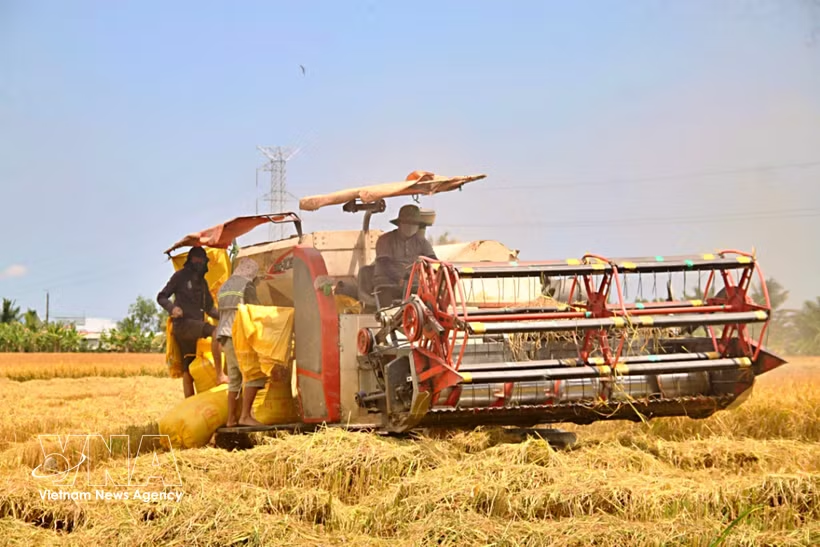
Hanoi (VNA) – Vietnam is accelerating efforts to cut greenhouse gas emissions from crop production as part of its strategy to build a greener, more sustainable agricultural sector while maintaining the competitiveness of its farm exports.
Vietnam is among the world’s leading producers and exporters of agricultural products, including rice, coffee and a wide range of fruits. However, key export markets such as the US, the European Union (EU) and Japan are tightening sustainability requirements for agricultural products, making the transition to low-emission farming increasingly important.
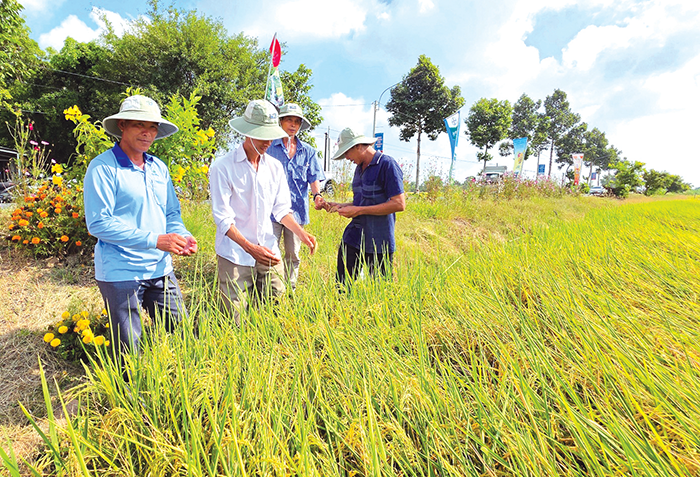
Experts say reducing emissions is not only essential for tackling climate change but also brings tangible benefits to farmers and businesses. Farming practices such as alternate wetting and drying (AWD) irrigation for rice, integrated nutrient management, organic farming, precision agriculture and climate-smart agriculture have helped reduce the use of chemical fertilisers, pesticides and irrigation water. This lowers production costs, improves farmers’ incomes and enhances the quality of agricultural products.
The reduced use of agricultural inputs also helps restore soil health, protect biodiversity and reduce environmental pollution, contributing to the long-term sustainability of the sector.
Developing low-emission crop production is also expected to strengthen Vietnam’s reputation as a responsible agricultural producer while creating opportunities to participate in both voluntary and compliance carbon markets. Carbon credit projects could provide new sources of income for farmers, cooperatives and agribusinesses, supporting the sector’s green transition.
To advance these goals, the Ministry of Agriculture and Environment has approved the Low-emission Crop Production Scheme for 2025–2035, with a vision to 2050, and established a steering committee to oversee its implementation.
So far, 22 provinces and cities have issued action plans under the scheme, while international organisations, businesses and local authorities have joined pilot programmes promoting low-emission farming.
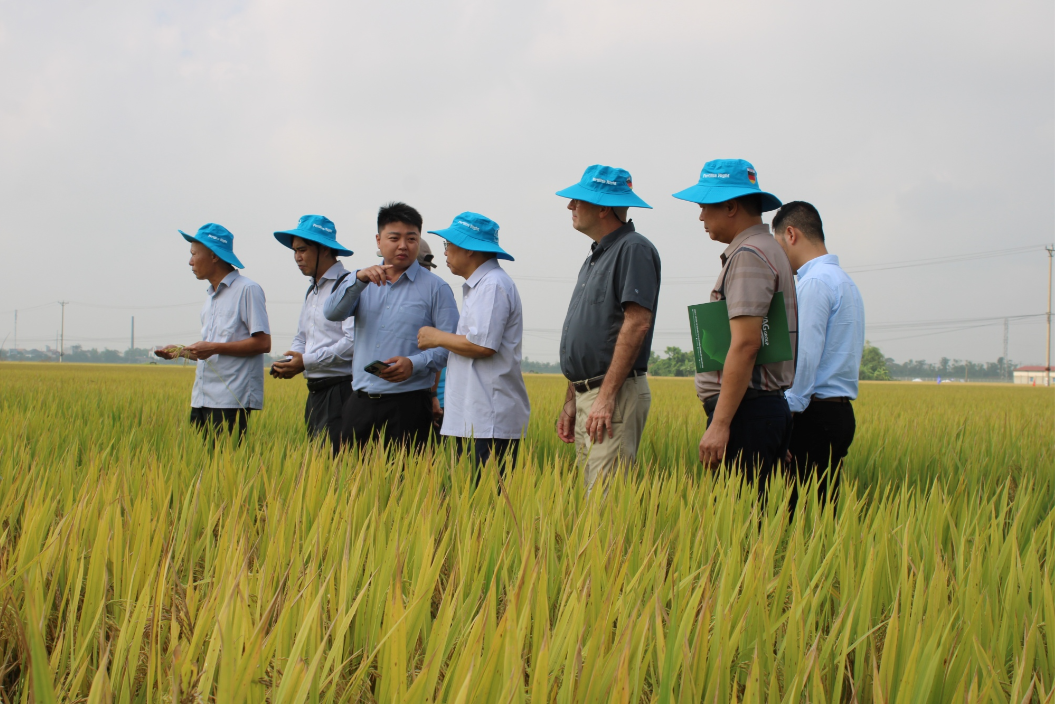
Several localities have already launched large-scale initiatives. Quang Tri province has introduced low-emission rice cultivation across 13 communes, covering more than 6,000 hectares. Hung Yen province plans to apply AWD irrigation on 3,000 hectares of rice fields in 2026, supported by equipment to measure emission reductions.
However, experts stress that achieving the scheme’s targets will require coordinated efforts across all levels of government and the active participation of farmers, cooperatives and businesses.
They say success depends on a comprehensive, long-term programme that combines technical solutions with supportive policies, financing mechanisms, scientific research, technology transfer, training, communications and international cooperation.
Deputy Minister of Agriculture and Environment Hoang Trung said the scheme aims to build a sustainable crop production sector that is resilient to climate change, reduces greenhouse gas emissions, lowers production costs, raises farmers’ incomes and enhances the international standing of Vietnamese agricultural products.
In the coming years, the ministry will continue refining technical processes for key crops, including rice, maize, coffee and durian, while expanding pilot low-emission production models and developing a nationwide measurement, reporting and verification (MRV) system for emissions.
For rice cultivation, AWD irrigation will be promoted on a wider scale. Coffee production will focus on circular farming models, water-saving irrigation, greater use of organic fertilisers, reuse of agricultural by-products and soil restoration.
Fruit-growing areas producing durian, dragon fruit, mangoes and passion fruit will focus on managing agricultural by-products to meet the green production standards of export markets.
VNA
http://en.vietnamplus.vn/vietnam-steps-up-low-emission-farming-to-support-green-growth-post348349.vnpPublished Date: July 16, 2026


 READ
READ