Downloads
 Login
Login
 Register

Tags
Climate-resilient and eco-friendly rice for Africa
Background
Rice is becoming a vital staple in Sub-Saharan Africa (SSA) due to rising consumption and urbanization. Current production struggles to meet this demand, and climate change increases extreme weather events, making food systems more vulnerable.
Most rice varieties in SSA are outdated and low yielding, facing challenges from both abiotic (flooding, drought) and biotic (diseases, pests) stresses. Improving drought tolerance is crucial, as rainfed areas—which make up nearly 80% of rice production— are significantly impacted by climate change. Enhancing resilience will help narrow the food security gap and improve incomes for farmers on marginal lands in Kenya and Tanzania.
This project aims to develop drought-resistant rice varieties and management technologies, building on an existing DANIDA-funded project focused on salinity and flood tolerance in Tanzania. It will also leverage IRRI’s advancements in direct-seeded rice (DSR) systems and rice ratooning to minimize water use, greenhouse gas emissions, and production costs.
The project’s goal is to create climate-resilient and eco-friendly rice production systems while addressing gender dynamics and marginalized farmers along the rice value chain. This inclusive approach will enhance the resilience of agricultural systems and support Climate Change Actions in the region.
Objectives
Over the 5-year implementation of the project, the research team aims to:
- Reduce inequality by helping farmers in Kenya and Tanzania grow rice in areas prone to drought and on less productive lands. We will focus on understanding local environmental conditions and how communities, especially women-led households, respond to drought.
- Develop rice varieties that can withstand drought by adding drought-resistant traits to popular local varieties and advanced breeding lines using the IRRI Breeding Pipelines.
- Use farming techniques in drought-affected rice-growing regions of Kenya and Tanzania. This includes planting seeds directly in the ground and using ratoon cropping to save water and lower greenhouse gas emissions.
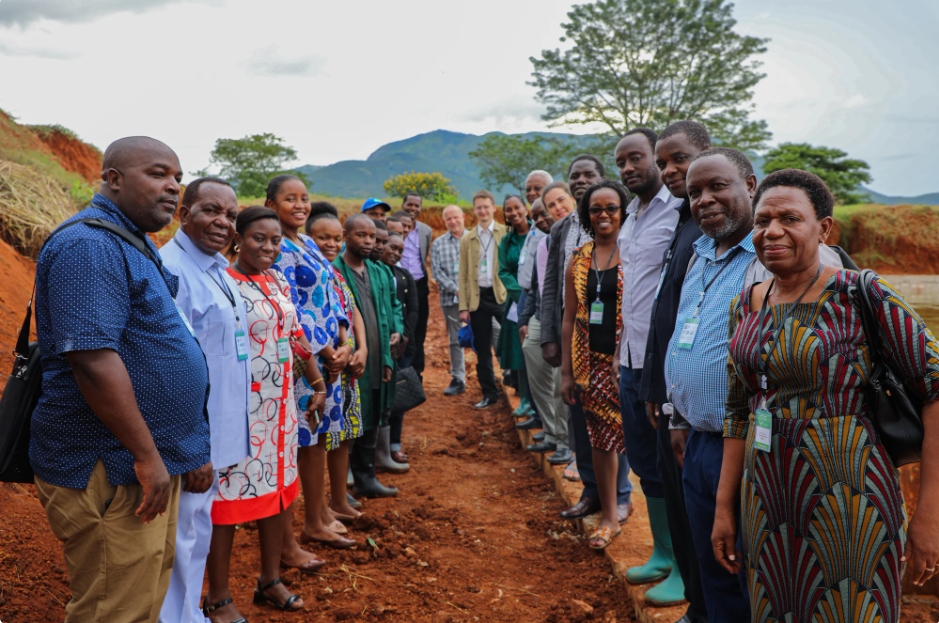
- Strengthen local institutions by providing infrastructure support and training local staff to improve their skills in modern research, breeding, and deployment strategies.
Published Date: August 4, 2025


 READ
READ