Downloads
 Login
 Register


Tags
AI-Designed CRISPR Technology Develops Disease-Resistant Rice
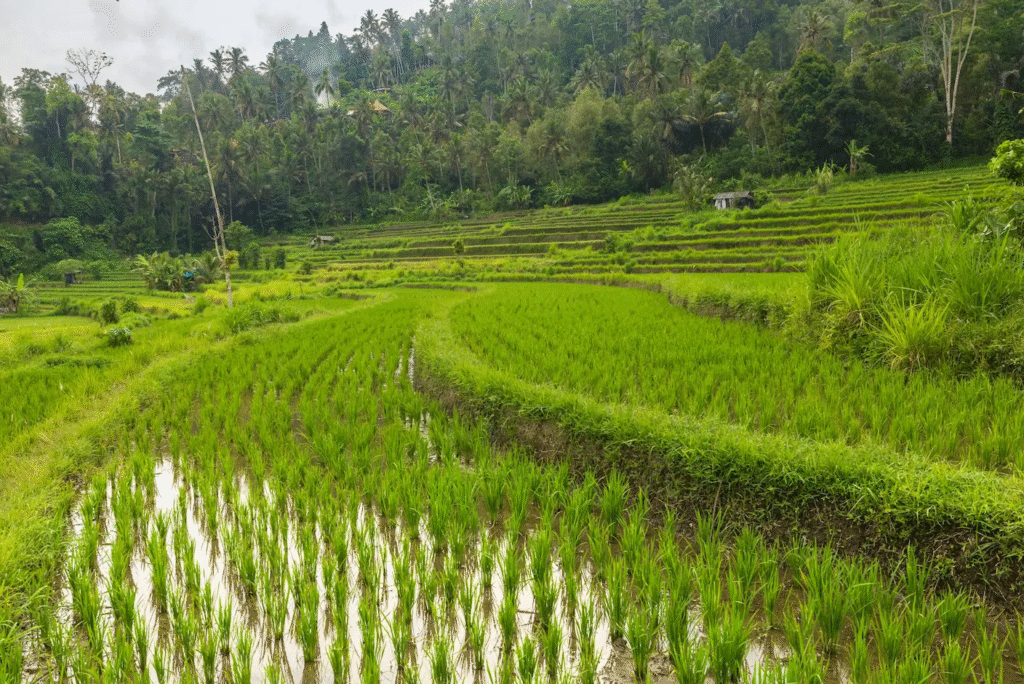
Scientists have demonstrated how artificial intelligence (AI)-designed CRISPR technology could help develop rice varieties resistant to bacterial blight, one of the most destructive diseases affecting global rice production. The breakthrough could open new opportunities for crop protection, agricultural biotechnology, and sustainable rice production.
Researchers led by Bing Yang at the University of Missouri adapted an AI-generated gene-editing system called OpenCRISPR-1 to modify rice genes targeted by Xanthomonas oryzae pv. oryzae (Xoo), the bacterium responsible for bacterial blight. The technology successfully disrupted genes that the pathogen exploits to obtain sugars from rice plants, helping protect the crop against infection.
Bacterial blight is a major threat to rice cultivation and can cause yield losses of up to 50 percent under severe conditions. By developing a more accessible and efficient gene-editing approach, researchers aim to strengthen rice plants’ natural defenses and support more resilient agricultural production.
AI-Designed CRISPR Technology Targets Rice Disease
Bacterial blight spreads through contaminated water and enters rice plants through wounds and other openings. Once inside, Xoo infects the plant’s vascular system and releases specialized proteins that manipulate rice genes.
Among its primary targets is a family of genes known as SWEET, which regulate sugar transport within plant cells. By activating these genes, the bacteria encourage rice plants to release sugars that support pathogen growth and infection.
Researchers have identified these genetic interactions as potential targets for developing bacterial blight-resistant rice varieties.
In the latest study, scientists adapted OpenCRISPR-1, an AI-designed gene editor developed by biotechnology company Profluent. Unlike conventional gene-editing approaches that may involve licensing restrictions, the system offers an openly available alternative for researchers exploring agricultural applications.
The research team modified the editor to work more efficiently in rice plants by adjusting its genetic instructions and improving its ability to enter plant cells.
The adapted system successfully targeted three SWEET genes associated with bacterial blight susceptibility.
Rice Plants Show Strong Resistance Against Bacterial Blight
The experimental results demonstrated promising performance. The rice-adapted OpenCRISPR-1 system achieved editing efficiencies of up to 97 percent in a commonly used research rice variety.
Following genetic modification, the edited rice plants demonstrated resistance against three different Xoo bacterial strains during a 12-day infection experiment.
Researchers also confirmed that the genetic modifications were passed on to the next generation, an important step toward developing stable disease-resistant rice varieties.
The team further adapted the technology for prime editing, a more advanced gene-editing approach that can make precise DNA changes without cutting both strands of DNA. In experiments involving isolated rice cells, the modified system successfully edited four different genes, including targeted changes involving multiple DNA letters.
These findings demonstrate the potential of AI-designed gene editors to support more precise crop improvement and agricultural biotechnology research.
Potential Benefits for Sustainable Rice Production
Rice is a staple food for billions of people, making disease management essential for global food security. Bacterial blight can significantly reduce crop productivity, creating economic challenges for farmers and increasing pressure on rice supply chains.
Developing disease-resistant rice varieties could help reduce crop losses and improve production stability in regions where bacterial blight is a recurring agricultural challenge.
AI-designed CRISPR technology may also provide researchers with new opportunities to improve other important crop characteristics, including disease resistance, environmental adaptability, and agricultural productivity.
The approach could eventually contribute to more sustainable rice production by helping farmers protect yields against bacterial diseases. However, the technology’s potential contribution to reducing pesticide use and improving environmental sustainability will require further investigation.
Further Research Needed Before Commercial Adoption
Despite the promising findings, researchers emphasize that additional testing is necessary before the technology can be applied commercially.
The experiments established proof of concept in a research rice variety, but its performance in widely cultivated commercial rice varieties remains uncertain. Scientists will also need to evaluate long-term genetic stability, potential unintended DNA changes, field performance, and regulatory requirements.
Beyond rice, AI-designed CRISPR systems could potentially support genetic improvement in other agricultural crops, including soybeans, alfalfa, and tobacco.
The research highlights how artificial intelligence and advanced gene-editing technologies could contribute to the next generation of agricultural innovation.
By combining AI-driven protein engineering with crop biotechnology, scientists are exploring new ways to develop disease-resistant rice and strengthen the future of sustainable rice production.
By RiceNewsToday | Sources: SingularityHub
Published Date: November 19, 2026


 READ