Downloads
 Login
Login
 Register


Tags
East Africa Moves to Cut $423 Million Rice Import Bill, Shield Region From Supply Shocks
By Fred Obura
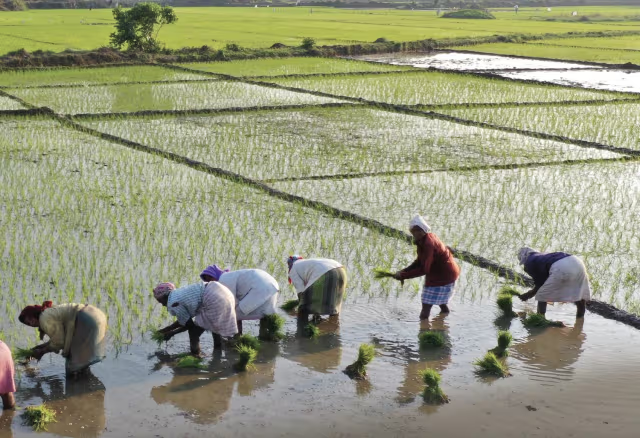
East African governments are stepping up efforts to transform rice into a strategic food security crop, approving new measures aimed at boosting production, easing cross-border trade and reducing the region’s dependence on costly imports from Asia.
- Agriculture ministers from the East African Community (EAC), meeting in Dar es Salaam, agreed to accelerate implementation of the bloc’s Rice Development Strategy.
- The strategy includes a newly operational regional Rice Desk, expanding mechanization, improving seed systems, encouraging private investment and removing non-tariff barriers that have constrained trade in the grain.
- Despite having significant cultivation potential, East Africa still relies heavily on overseas rice supplies, exposing the region to volatile global markets.
The EAC imported about $423.35 million worth of rice in 2020, with only 8.5% of total rice imports sourced from within the regional bloc, according to the EAC Rice Development Strategy. Regional production has consistently fallen short of demand by an average 21.4% between 2014 and 2020, making rice the bloc’s second most important cereal after maize while exposing consumers to global shocks.
That dependence became evident during the 2007-08 global food crisis and again during the COVID-19 pandemic, when disruptions in international supply chains drove up prices and squeezed availability across importing countries, reinforcing calls for greater regional self-sufficiency.
The strategy seeks to double regional rice production by 2030 through coordinated investments across Partner States, arguing that integrated regional value chains will be more effective than fragmented national interventions. The plan prioritizes improved seed varieties, mechanization, irrigation, fertilizer access, regional research and stronger extension services to raise farm productivity.
Average rice yields in East Africa remain at 1.653 tonnes per hectare, barely a third of the global average of 4.57 tonnes, reflecting persistent challenges including limited access to quality seed, modern machinery and affordable farm inputs. Low productivity has made locally produced rice less competitive than imports from Asia, even as consumer demand continues to rise.
Beyond production, ministers also agreed to reduce trade bottlenecks that have slowed movement of rice across borders, a move intended to stimulate intra-regional commerce and strengthen local markets.
The strategy also envisions harmonized grain quality standards, improved market information systems and transparent regulatory frameworks to encourage investment across the rice value chain, while promoting climate-resilient farming practices as changing weather patterns threaten production.
The rice initiative formed part of broader decisions adopted during the 19th Session of the Sectoral Council on Agriculture and Food Security, where ministers also approved the Regional Agri-Food Systems Investment Plan (2026-2035) and endorsed measures to strengthen agricultural infrastructure, climate resilience, digital technologies and regional food security.
https://kenyanwallstreet.com/east-africa-rice-import-billPublished Date: July 7, 2026


 READ
READ