Downloads
 Login
Login
 Register

Tags
Top rice news: Protein Rich Crops & Drought-Resistant Rice Varieties
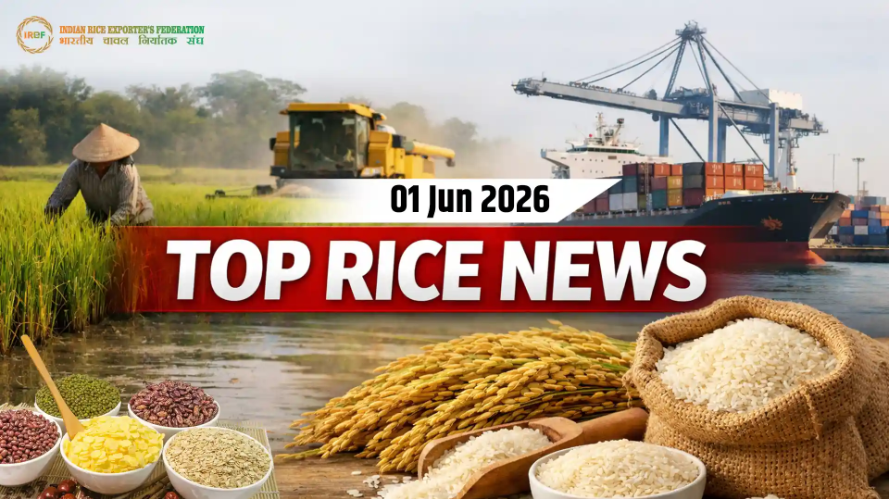
Top rice news today states about Protein rice crops apart from rice and wheat which India need to adhere aligning with its crop diversification strategy. On the other hand, Philippine researchers have developed three new drought-resistant rice varieties to help farmers cope with water scarcity in the midst of climate change and El Niño conditions.
India Needs More Than Rice and Wheat: Reviving Native Crops Could Strengthen Protein Security
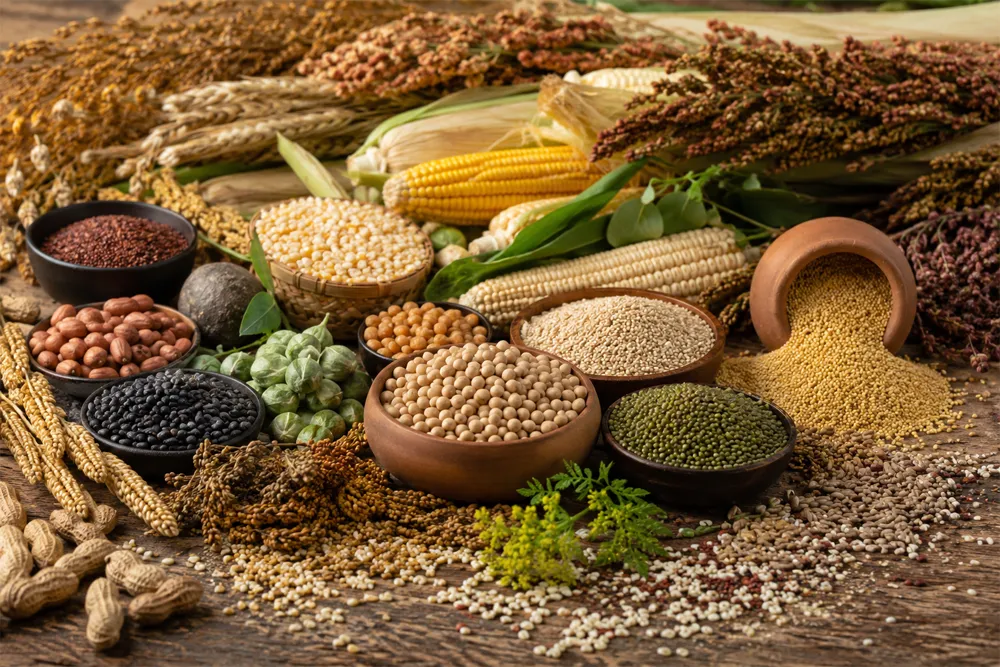
Experts urge India to look beyond a handful of staple crops and adopt a wider range of indigenous, protein-rich crops that have gradually disappeared from both farms and diets as the country works on its crop diversification strategy. Generally, countries such as Canada, Australia, the Netherlands, and China have already harvested alternative crops to develop strong plant-protein ecosystems.
Shockingly, India continues to rely heavily on edible oil and pulse imports, despite being the world’s largest rice producer. However, the traditional crops once cultivated in regions have lost prominence, contributing to a food system that remains calorie-rich but often nutritionally inadequate. According to a report by the Good Food Institute (GFI), India noted the potential of underutilised or orphan crops, such as horse gram, winged bean, grass pea, lupin, bambara groundnut, and various indigenous millets and legumes. Furthermore, the report stated that these crops are rich in protein, resilient to climate stress, and require fewer agricultural inputs than other conventional crops like rice and wheat. Moreover, Scientists and policymakers are calling these crops a strategic resource for future food and nutrition security, particularly under climate variability. Not only this, but the report noted that India has a significant opportunity to build domestic ingredient supply chains around indigenous crops to become a major player in the rapidly growing global plant-based food industry. Undoubtedly, Other countries such as Canada, Australia, the Netherlands, and China have already adopted this strategy of alternative crops to develop strong plant-protein ecosystems. Even India could adhere to a similar one, which only requires investment in processing infrastructure and value-added products generated out from traditional crops.
Philippines Develops Drought-Resistant Rice Varieties Amid Climate Change & El Niño conditions
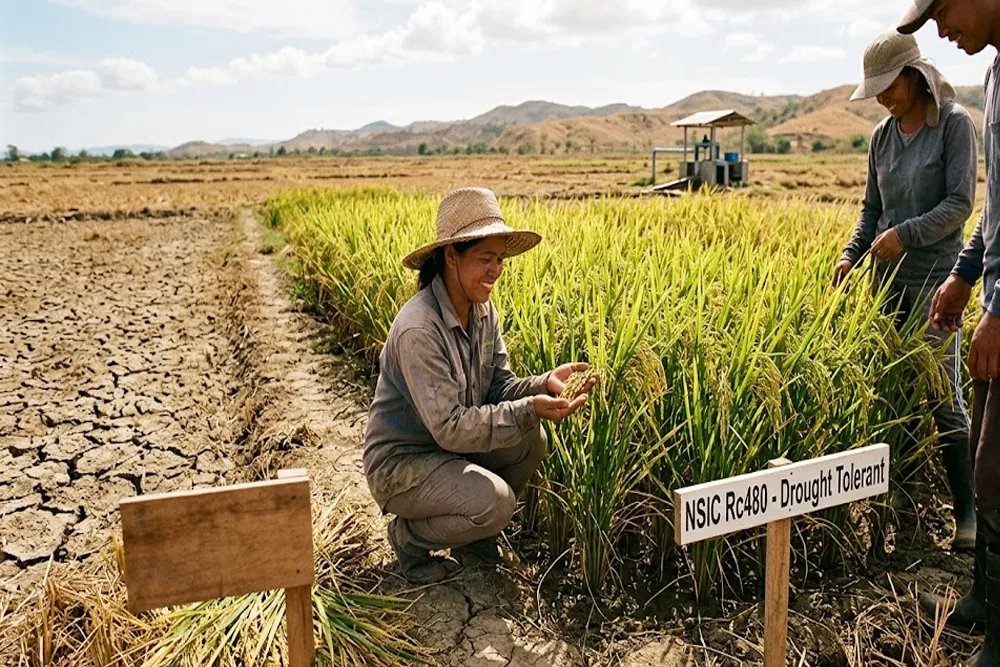
Philippine researchers have developed three new drought-resistant rice varieties. The rice varieties are designed to help farmers cope with increasing water scarcity caused by climate change and El Niño conditions. Notably, these development focuses on boosting the plant’s root system to enhance water absorption and improve survival during dry periods. These were created by introducing a mutated version of the Weg1 gene into popular local rice varieties such as Tubigan 14, Tubigan 36, and NSIC Rc 480. Even, scientists explain that these enhanced roots allow the rice plants to reach deeper soil layers and absorb water more efficiently compared to conventional varieties. According to researchers, field and laboratory observations show that the improved root architecture strengthens drought tolerance without negatively affecting plant growth. In fact, earlier studies linked the Weg1 mutation with improved shoot growth and yield stability under water stress conditions.
As per experts, this development could play a vital role in boosting food security in the Philippines, where rice is a staple crop and highly vulnerable to climate variability. The new varieties may also help stabilise farmer incomes and improve agricultural resilience by reducing crop losses during dry spells, but scientists note that the breeding lines are still under development. Further field trials are being carried out in different environmental conditions to evaluate performance, adaptability, and long-term sustainability before large-scale release to farmers.
https://iref.net/rice-news/protein-rich-crops-drought-resistant-varietiesPublished Date: June 2, 2026


 READ
READ