Downloads
 Login
Login
 Register

Tags
Why Mars is Investing US$20m in Sustainable Rice Farming
By Jasmin Jessen
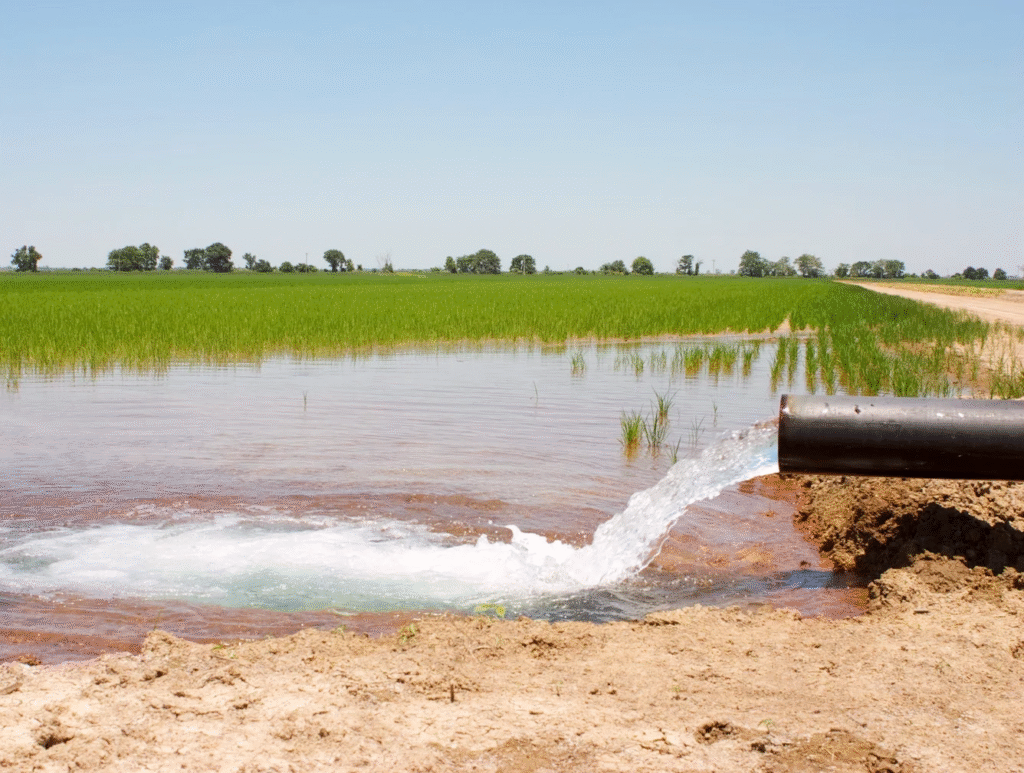
Mars has committed to investing US$20m in rice farming and sourcing to help farmers adopt regenerative agriculture practices and improve crop resilience
Billions of people worldwide rely on rice as a staple food, yet climate variability is posing challenges to its cultivation.
According to the Intergovernmental Panel on Climate Change, global rice yield could decline by 10–15% by 2050 if current trends continue.
In response, Mars has announced plans to invest US$20m in sustainable rice sourcing programmes by 2030.
The initiative aims to support farmers in adopting climate smart agriculture practices through its Raising Rice Right platform, addressing both environmental concerns and the livelihoods of millions of farming families.
“Rice is a daily staple for billions of people and provides an income to millions of farmers around the world, but climate change is placing extraordinary pressure on this vital crop,” says Dale Creaser, Global Vice President of Supply Chain at Mars Food & Nutrition.

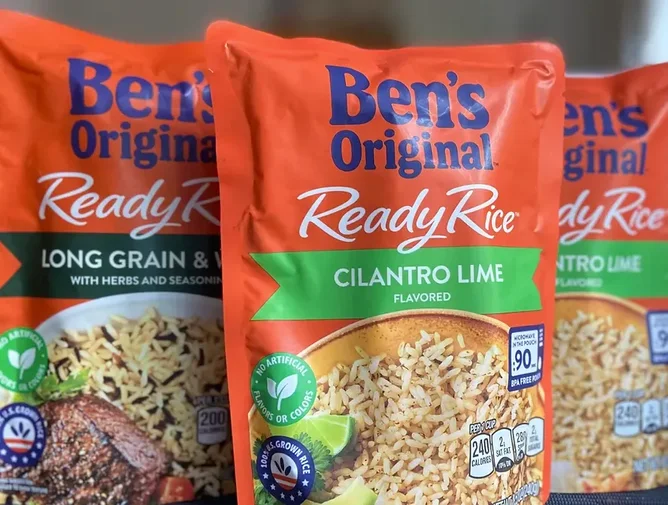
“As the owners of Ben’s Original, one of the world’s largest rice brands, we have a responsibility to act. This US$20m investment is about backing our farmers with the tools, technology and training support they need to adapt and thrive in a changing environment.
“It’s also about future-proofing our business to ensure we’re building a resilient food supply chain. We’re committed to making rice farming more sustainable and protecting yields and livelihoods for our farmers today and for generations to come.”
Sustainability challenges in rice production
Rice is a semi-aquatic tropical plant that requires water and warmth to thrive.
Conventional production methods involve keeping fields continuously flooded for months to control weeds, resulting in significant water consumption.
The microbes present in flooded rice paddies can generate methane, a potent greenhouse gas.
Beyond contributing to environmental harm, rice farming faces direct threats from climate change itself.
The crop demonstrates particular sensitivity to temperature during its flowering stage.
If temperatures exceed 35°C for even one hour during pollination, pollen can become sterile.
Additionally, rice requires cooled nights to respire and convert sunlight into grain.
Higher nighttime temperatures can consume more of the plant’s energy, causing yields to decrease.
Regenerative approaches to rice cultivation
Regenerative growing methods, like the System of Rice Intensification (SRI), Alternate Wetting and Drying (AWD) and organic soil management, can help to reduce the negative impact of farming rice and make it more resilient.
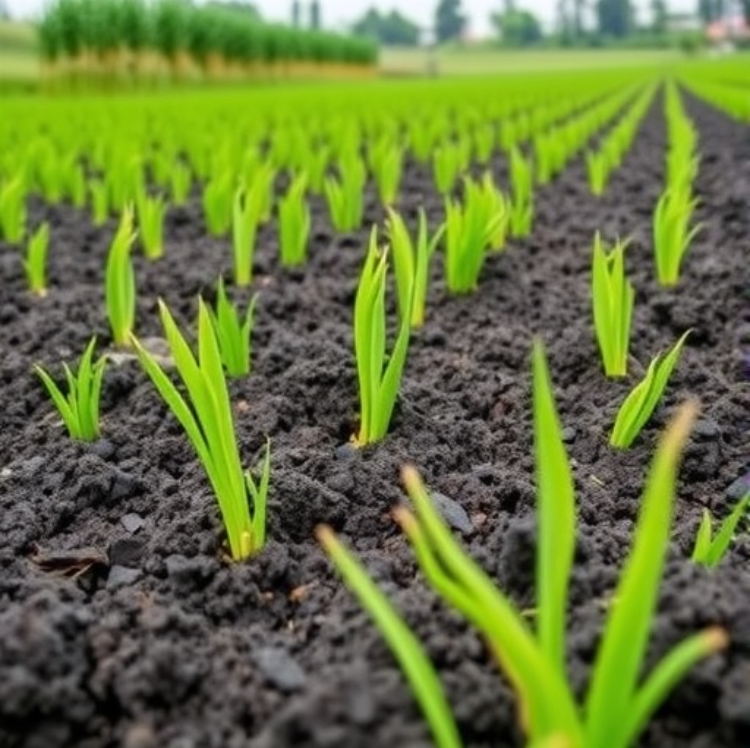
SRI uses young seedlings, reduced plant density and AWD irrigation that keeps fields wet but not continuously flooded.
These regenerative agriculture techniques could help companies lower emissions within their supply chains while creating direct benefits for farmers.
Reducing use of synthetic fertilisers and pesticides could lower costs, while resilience against extreme weather could reduce crop loss.
Farm biodiversity and soil health often improve under these systems.
However, potential costs associated with these practices can discourage farmers.
Regenerative transitions can reduce yields initially, investment costs can be high and new knowledge or training may be required.
Mars’ implementation strategy
As part of its Sustainable in a Generation Plan, Mars has committed to ensuring 100% of farmers in its supply chain at risk of poverty are reached by programmes designed to enable them to thrive.
The company’s ongoing investment will enable direct collaboration with rice farmers and suppliers to implement climate smart agriculture practices like AWD.
According to Mars, a farm in Arkansas, United States has reduced its water usage by 60% and achieved up to 60% lower greenhouse gas emissions compared to average farms in the region following AWD implementation.
Mars says it will equip farmers with knowledge, tools and technology to implement these practices effectively.
The company is also a founding member of the Sustainable Rice Platform (SRP), a global alliance working to promote sustainable rice farming, empower smallholder farmers and reduce the environmental footprint of rice production.
https://fooddigital.com/news/why-mars-is-investing-us-20m-in-sustainable-rice-farmingPublished Date: December 5, 2025


 READ
READ