Downloads
 Login
Login
 Register


Tags
U.S. rice farmers face severe 2026 crisis
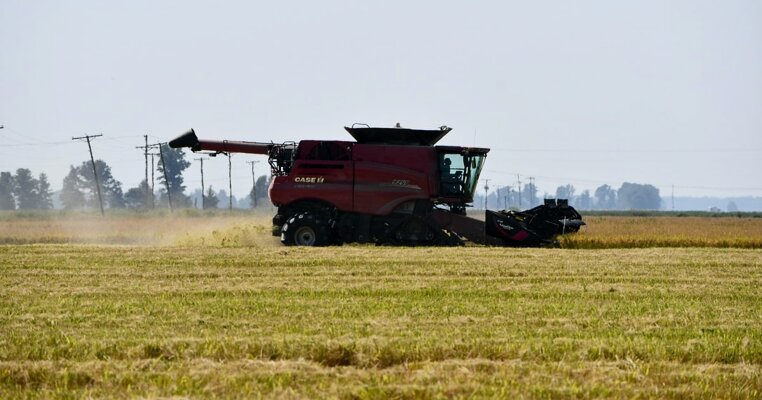
Source: AGRONEWS
U.S. rice farmers are confronting a deep economic crisis in 2026 that industry leaders call among the worst in generations. Arkansas, the nation’s top rice-producing state, is expected to plant its smallest crop since the 1970s as many growers shift acreage away from rice. Producers, millers and local supply chains are all feeling pressure from sustained losses on the farm.
Estimates show Arkansas historically plants about 1.4 million acres of rice, but this year projected acreage ranges from roughly 750,000 to 850,000 acres — a dramatic reduction from past seasons. Over 40% acreage drop captures the scale of the decline, and growers say the choice to cut rice acres is driven by economics, not agronomy.
Industry executives warn the contraction is widespread across Midsouth rice country as producers weigh whether rice can cover rising costs. Riceland Foods executive vice president Ben Noble described the situation on Arkansas radio as the toughest he has seen in his lifetime, with many operators switching away from rice just to avoid losses.
Why acres fell
Farmers cite a combination of high input costs — fertilizer, fuel and other essentials — and sharply lower market prices that have left rice production unprofitable for many operations. USA Rice Federation CEO Peter Bachmann said U.S. rice prices are lower than they have been in over a decade, even though U.S. production remains more costly than much of the global supply. Prices lowest in decade summarizes the market pressure driving crop choices.
As a result, many producers are rotating fields into soybeans, which generally cost less to raise and at least offer a path to breakeven, while others move to corn when soil and irrigation allow. Cotton takes some former rice acres but typically requires different soil and water conditions. Northeast Arkansas farmer Jennifer James summed it up: the crop “looks great in the field, but it is a disaster on paper due to the economics.”
Milling and markets
The acreage collapse threatens more than farm revenue. Arkansas hosts a large share of U.S. rice milling and processing capacity, and lower planted acres reduce throughput at those plants. Noble warned that the rice-milling industry and farmers are being “squeezed on all sides,” and persistent reductions in acreage could force permanent closures of milling assets in the Midsouth. Mills face closure risk highlights the infrastructure consequences of sustained acreage declines.
Beyond local processing, traders and exporters are watching how U.S. supply shifts affect both domestic markets and international sales, with further analysis planned by industry groups. For now, planting decisions this season have concrete outcomes: projected Arkansas rice acres of about 750,000 to 850,000, down from roughly 1.4 million historically, represent a major restructuring of U.S. rice production in 2026.
Photo – eu-images.contentstack.com
https://agronews.com/us/en/news/agrosphere/2026-05-28/93349Published Date: May 29, 2026


 READ
READ