Downloads
 Login
 Register

Tags
River pollution could cost Thailand 16,000 hectares of rice land
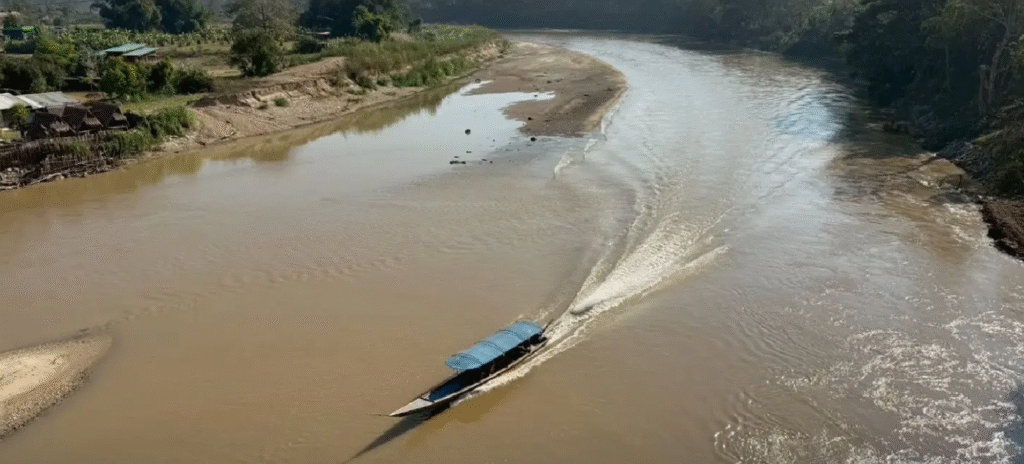
- Thailand is at risk of losing 16,000 hectares of rice land in the Kok, Sai, and Ruak river basins due to the use of polluted river water for irrigation.
- The continued use of this water is causing heavy metals, such as arsenic and lead, to accumulate in the soil, which could eventually make it unsuitable for agriculture.
- Tests on soil and rice samples from the affected areas have already confirmed the presence of arsenic and lead at levels exceeding safety standards.
- An academic has urged the government to provide alternative irrigation water and restore the contaminated soil to prevent the loss of this agricultural land.
Thailand could lose 16,000 hectares (100,000 rai) or more of rice-growing land unless the government provides alternative irrigation water and restores contaminated soil, a Mae Fah Luang University academic has cautioned.
Dr Suebsakul Kitnukorn, an international development lecturer at the university’s School of Social Innovation, pointed to farmland in the Kok, Sai and Ruak river basins, where continued use of polluted water could allow heavy metals to accumulate until the soil can no longer support cultivation.
Speaking to Post Today, he criticised the Ministry of Agriculture and Cooperatives for lacking coordinated policies, action plans and funding to address the agricultural consequences.
“If farmers continue using contaminated water to irrigate their fields every day, heavy metals could accumulate in the soil until, eventually, the land can no longer support agricultural production,” he cautioned.
Rice and soil samples show contamination
Wet- and dry-season rice farming depends on irrigation across approximately 9,396 hectares (58,723 rai) in the Kok basin and 9,680 hectares (60,500 rai) in the Sai and Ruak basins.
Tests of soil and rice from the 2025–26 growing season identified arsenic and lead above applicable limits at some locations.
https://www.nationthailand.com/news/general/40073601Published Date: November 18, 2026



 READ