Downloads
 Login
Login
 Register


Tags
Pakistan suffers $1.4bn trade loss on Afghan border closure
MG News
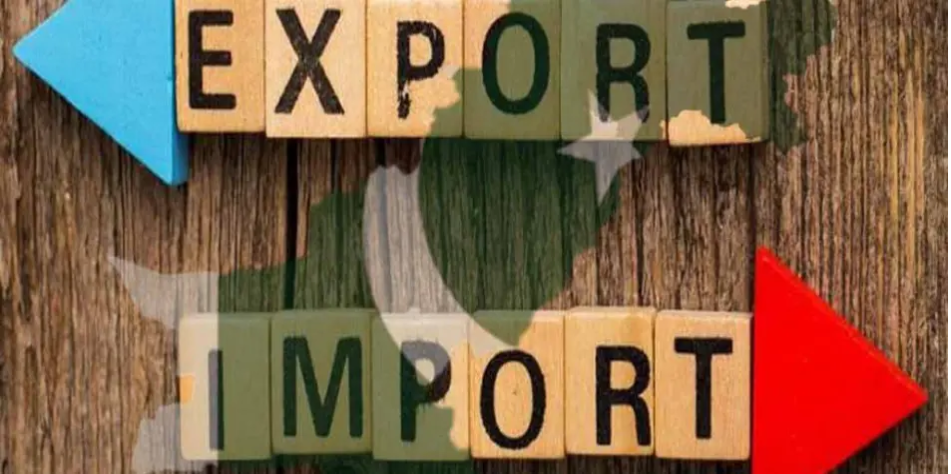
June 02, 2026 (MLN): Pakistan’s trade sector has absorbed a blow of more than $1.4 billion in recent months as twin disruptions, the closure of the Afghan border and logistical turmoil across Gulf trade routes, squeezed exports and transit earnings, officials informed a parliamentary panel on Tuesday.
The losses reflect mounting external pressures on Pakistan’s trade network at a time when export momentum had begun to strengthen.
While outbound shipments climbed 18% to $31.8 billion during the first ten months of fiscal year 2025–26, disruptions along western and Middle Eastern corridors exposed the fragility of the country’s regional trade dependencies.
Trade flows with Afghanistan came to a near standstill after Pakistan sealed its border on October 11, 2025, freezing bilateral commerce and blocking transit access to landlocked Central Asian economies.
Officials briefing the National Assembly Standing Committee on Commerce said Pakistan’s exports to Afghanistan dropped sharply to $85.6 million by April 2026, compared with $818 million in the same period a year earlier.
The closure stranded over 7,500 cargo containers at ports and border crossings, disrupting shipments ranging from pharmaceuticals and cement to tractors, motorcycles, edible oil and processed food.
The suspension also paralyzed Pakistan’s transit trade operations serving Central Asian republics, including Kazakhstan, Kyrgyzstan, Tajikistan, Turkmenistan and Uzbekistan.
According to official estimates, the Afghan disruption erased nearly $705 million in export proceeds and roughly $100 million in transit-related earnings between October 2025 and April 2026, taking the cumulative hit to around $805 million.
Gulf shipping turbulence
As exporters struggled to navigate the Afghan shutdown, tensions involving Iran created new disruptions across maritime and air cargo routes linking Pakistan to Gulf markets.
The Gulf Cooperation Council (GCC) region remains a critical destination for Pakistani exports, particularly textiles, rice, fresh produce and industrial goods.
Officials noted that nearly four-fifths of Pakistan’s GCC-bound trade traditionally passes through Dubai’s Jebel Ali port, making regional disruptions especially costly.
Committee members were told that shipping services to Gulf destinations began facing operational bottlenecks from March 2026 onward, while air cargo cancellations rose to nearly 30%.
Exports to GCC economies slipped 2.2% during July-April, with sharper declines recorded in Oman, Qatar and Bahrain.
Officials cautioned that if regional instability persists, Pakistan risks an additional decline of nearly $600 million in GCC exports over the next three to six months.
In response, authorities rolled out emergency measures aimed at stabilizing export logistics and containing further losses.
The government established a monitoring mechanism headed by the Special Assistant to the Prime Minister on Industries and Production before setting up a dedicated trade coordination council.
Measures included increasing freighter operations, removing additional airport handling charges on exports and securing lower air freight costs through negotiations with Gulf carriers.
Pakistan also rerouted cargo away from Jebel Ali toward alternative Gulf gateways, including Jeddah, Sohar and Salalah, to ease supply chain bottlenecks.
To safeguard fuel imports, Pakistan National Shipping Corporation vessels were assigned to transport petroleum cargoes from Saudi Arabia and the United Arab Emirates, while a commercial shipping service linking Karachi to the UAE’s Khorfakkan port commenced operations in May.
Iran Route
To offset the disruption caused by the Afghan border closure, Pakistan accelerated the use of Iran as an alternative transit corridor to Central Asia.
Officials said more than 7,000 trucks carrying nearly 200,000 metric tons of kinnow and potatoes valued at $40.2 million had reached Central Asian markets through Iran since December 2025.
The government also expanded regulatory relaxations for exports of rice, medicines and food products destined for Iran, Central Asia and Azerbaijan.
At the same time, Islamabad initiated discussions with China and revived talks under the Quadrilateral Traffic in Transit Agreement framework to examine new transport arrangements involving Uzbekistan and Tajikistan.
Lawmakers’ consultations with exporters and regional partners remain underway as authorities seek to preserve trade continuity.
However, with trade routes through Afghanistan frozen and Gulf logistics facing renewed uncertainty, exporters are likely to remain exposed to higher costs, weaker market access and prolonged supply-chain disruptions in the months ahead.
Copyright Mettis Link News
https://mettisglobal.news/Pakistan-suffers-14bn-trade-loss-on-Afghan-border-closure-60801Published Date: June 3, 2026


 READ
READ