Downloads
 Login
Login
 Register

Tags
IRRI Launches MASEA Project to Cut Methane Emissions in Rice Farming
The Methane Accelerator for Southeast Asia (MASEA), launched by IRRI and supported by USAID, aims to reduce methane emissions from rice farming while enhancing climate resilience.
Saurabh Shukla
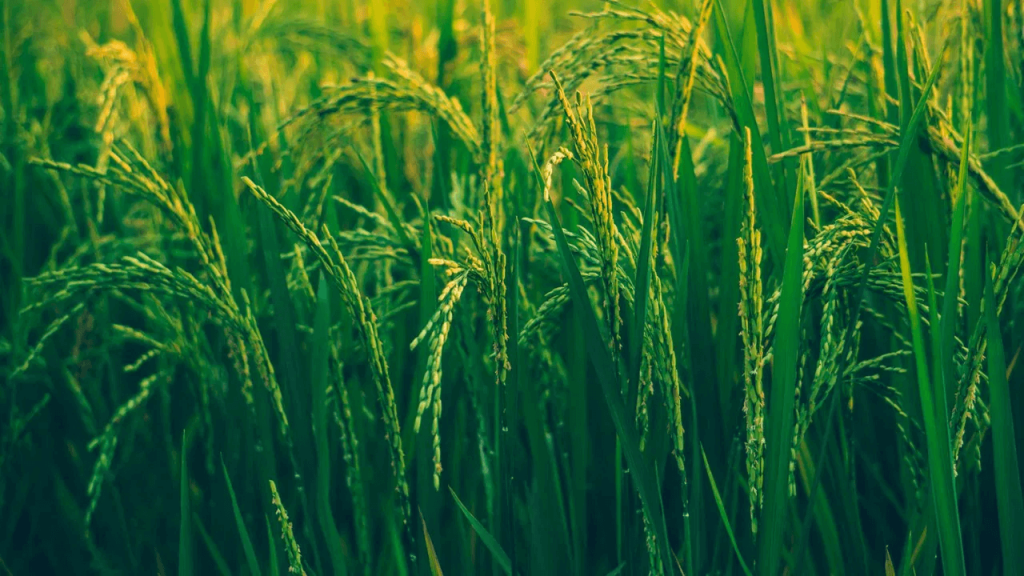
The International Rice Research Institute (IRRI) has launched a new initiative to tackle one of the biggest environmental challenges in Southeast Asia’s rice farming: methane emissions. Supported by the United States Agency for International Development (USAID), the Methane Accelerator for Southeast Asia (MASEA) seeks to significantly reduce methane emissions from rice cultivation, a key contributor to global agricultural greenhouse gases.
Rice farming in Southeast Asia is crucial not only for food security but also for the region’s economy. However, the practice of cultivating rice in flooded fields releases substantial amounts of methane, intensifying climate change. Given the region’s vulnerability to changing weather patterns, MASEA’s approach is both timely and essential. The project aims to introduce climate-smart practices that can reduce methane emissions while boosting the resilience of smallholder farmers to climate change.
In a novel approach, MASEA also plans to connect farmers to carbon markets. This provides them with an opportunity to earn financial rewards for implementing environmentally sustainable farming practices. By creating economic incentives alongside environmental benefits, the project empowers farmers to become active participants in the fight against climate change.
The ambitious project is working to overcome high monitoring costs and logistical barriers that have hindered previous efforts in the region. Its scalable solutions are designed to be accessible for farmers of all sizes, ensuring that even smallholder farmers can benefit from the program. This integration of science and agriculture is a promising step toward achieving a more sustainable and equitable agricultural system in Southeast Asia.
Agriculture stands as the largest human-driven source of methane emissions, accounting for approximately 40% of global methane output. This potent greenhouse gas is about 80 times more effective than carbon dioxide in trapping heat over a 20-year period.
The ambitious project is working to overcome high monitoring costs and logistical barriers that have hindered previous efforts in the region. Its scalable solutions are designed to be accessible for farmers of all sizes, ensuring that even smallholder farmers can benefit from the program. This integration of science and agriculture is a promising step toward achieving a more sustainable and equitable agricultural system in Southeast Asia.
Agriculture stands as the largest human-driven source of methane emissions, accounting for approximately 40% of global methane output. This potent greenhouse gas is about 80 times more effective than carbon dioxide in trapping heat over a 20-year period.
Addressing methane emissions in agriculture offers significant benefits, including mitigating global warming, enhancing air quality, promoting sustainable food systems, boosting agricultural productivity, and improving livelihoods for farming communities.
https://krishijagran.com/agriculture-world/irri-launches-masea-project-to-cut-methane-emissions-in-rice-farming/Published Date: November 25, 2024


 READ
READ