Downloads
 Login
Login
 Register

Tags
High fertilizer costs, severe El Niño conditions drag down Philippine rice production
The Department of Agriculture warned that a strong El Niño could cut rice production by up to 700,000 tonnes, or 3.5% of the annual target.
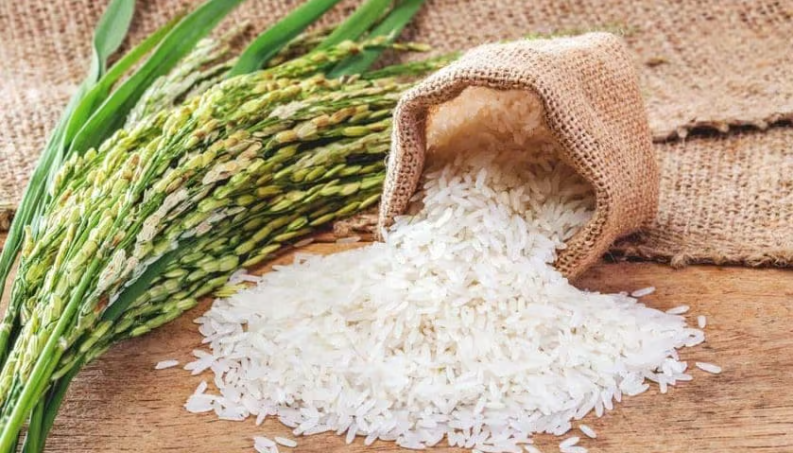
PHILIPPINES – Higher fertilizer costs and the expected effects of a moderate to strong El Niño are weighing on rice production prospects in the Philippines, with milled rice output forecast to decline in the 2026/27 marketing year, according to the US Department of Agriculture’s Foreign Agricultural Service (USDA-FAS).
The FAS estimates Philippine milled rice production at 12.25 million tonnes in 2026/27, down from an estimated 12.36 million tonnes in the previous year.
The reduction reflects weaker planting incentives as farmers face elevated input costs while the anticipated El Niño threatens water availability and crop yields.
Fertilizer prices have become a particular concern for rice growers as higher production costs reduce potential returns from cultivation.
The Philippine Department of Agriculture (DA) has also warned that continued increases in fuel and fertilizer prices could place additional pressure on farmers and reduce domestic rice production.
Climate conditions are adding another challenge. The Philippine Atmospheric, Geophysical and Astronomical Services Administration (PAGASA) has projected a high probability of a moderate to strong El Niño episode, raising concerns over prolonged dry conditions and irrigation availability.
The DA has responded by preparing measures including improved water allocation, solar-powered irrigation systems, adjustments to planting schedules and crop diversification.
The impact could extend beyond farm production to the country’s rice supply balance. Philippine rice consumption for 2026/27 is forecast at 17.65 million tonnes, remaining substantially above domestic production as population-driven demand continues.
To bridge the expected gap, FAS forecasts rice imports at 5.2 million tonnes.
The Philippine government is continuing programmes to support farmers and maintain rice production.
The National Rice Program (NRP) and Rice Competitiveness Enhancement Fund (RCEF) are assisting, while government agencies are working to improve irrigation and strengthen farmers’ resilience to climate-related disruptions.
The DA has previously estimated that a severe El Niño could reduce rice production by as much as 700,000 tonnes, equivalent to 3.5% of its annual production target.
The department has therefore emphasized early intervention to protect food supplies and farmer incomes.
Technology is also being promoted to improve fertilizer efficiency. The Philippine Rice Research Institute has highlighted tools such as Rice Crop Manager and nutrient-diagnosis technologies that provide field-specific fertilizer recommendations and help farmers address soil nutrient deficiencies.
With fertilizer expenses and climate risks occurring simultaneously, Philippine rice producers face increased pressure to maintain yields while controlling production costs.
The anticipated decline in domestic output is expected to keep imports important for maintaining national rice supplies during the 2026/27 marketing year.
https://millingmea.com/high-fertilizer-costs-severe-el-nino-conditions-drag-down-philippine-rice-production/Published Date: September 30, 2026


 READ
READ