Downloads
 Login
 Register


Tags
PHL ’26 paddy rice output seen below average
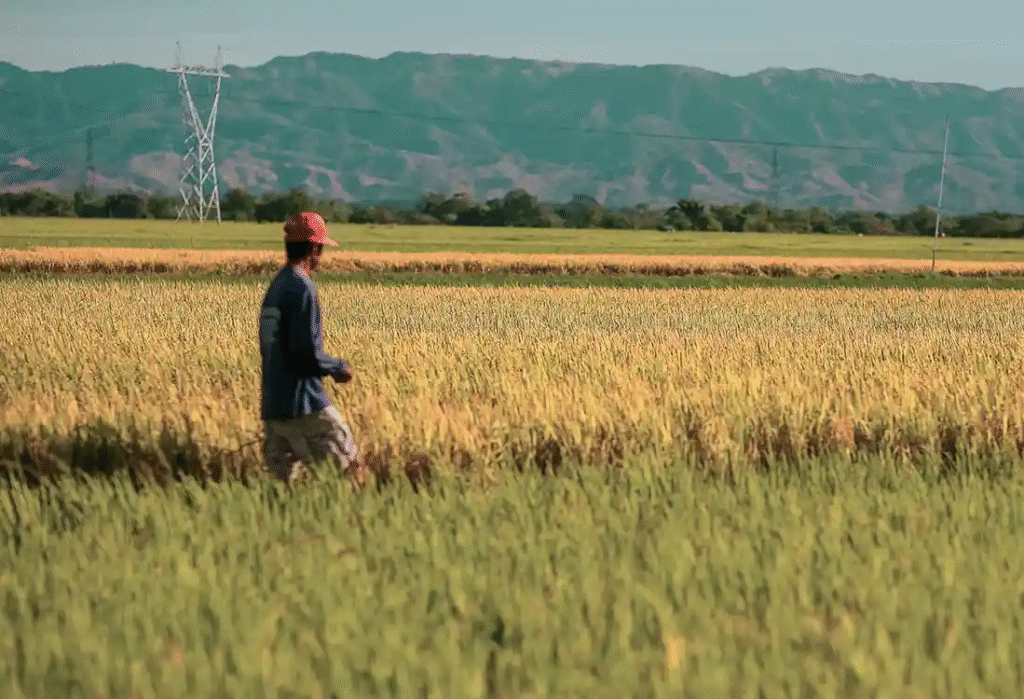
The Philippines could end 2026 with below-average paddy rice output of 19 million metric tons (MMT), according to the Food and Agriculture Organization of the United Nations (FAO).
In its latest report, FAO included the Philippines’s unmilled rice production among those nations they forecast to record below-average production along with the Republic of Korea, Malaysia, Thailand, the Lao People’s Democratic Republic, and Vietnam.
”This is due to unfavorable weather conditions and/or reduced producer margins that curbed plantings,” the international organization said.
The FAO also noted that consistent with the prevailing El Niño event, weather forecasts indicate a high likelihood of “below-average” precipitation amounts between November 2026 and February 2027.
This will affect parts of Cambodia, Thailand, the Lao People’s Democratic Republic, the Philippines, Vietnam, Malaysia, Indonesia, and Timor-Leste.
The Philippine government, through the Department of Agriculture, said local rice output in 2026 could be slashed by 1 million metric tons (MMT) from last year’s production.
Agriculture Secretary Francisco Tiu Laurel Jr. earlier attributed this to compounding effects like weather disturbances and soaring input costs.
“Technically, we’re seeing about 1 MMT of palay less than last year. [Soaring] fertilizer prices were the biggest factor. The rising fuel prices really affected productivity this year,” he said.
“What happens is farmers would apply less fertilizers, so there’d be less productivity. Some also lost their intention to plant, because it’s too expensive and they don’t have enough money to invest.”
Latest data from the Philippine Statistics Authority (PSA) showed that paddy rice production fell by 17.8 percent to 3.08 MMT in the July to September period, from last year’s 3.75 MMT.
The harvest area also contracted by 17.6 percent to 755,369 metric tons (MT) from the 916,772 MT recorded in the same period last year.
PSA data also indicated that palay production in irrigated and rainfed farms posted year-on-year declines in the reference month.
The production in irrigated farms slid by 15.82 percent, reaching 2.35 MMT from the previous year’s 2.8 MMT. Rainfed farms produced 733,571 MT, 23.45 percent lower than the 958,322 MT recorded in 2025.
Rice production reached 19.67 MMT in 2025. If the DA’s projection materializes, output could slip to 18.67 MMT, the lowest level in 10 years or since the 17.63 MMT in 2016.
https://businessmirror.com.ph/2026/11/09/phl-26-paddy-rice-output-seen-below-average/Published Date: November 10, 2026


 READ