Downloads
 Login
Login
 Register


Tags
Farmers, Exporters Oppose GMO Maize Over $1 Billion Basmati Trade Risk
By Nayab Farooq Awan
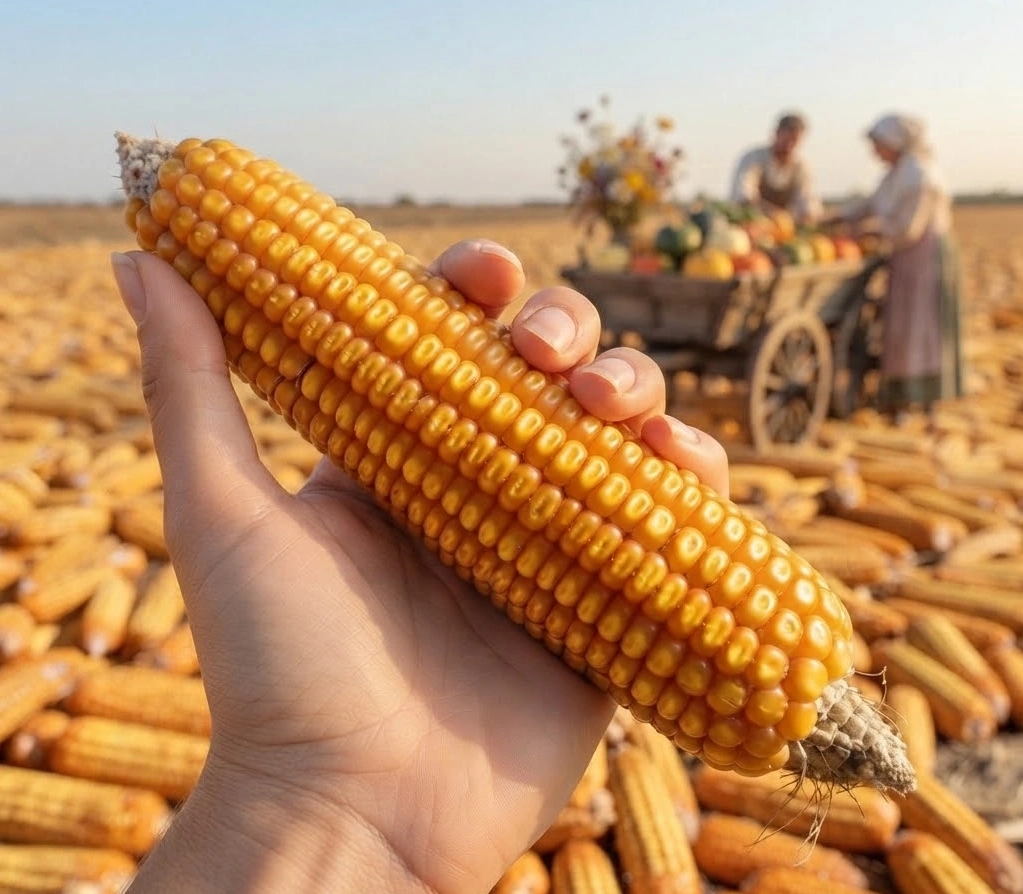
Farmers, exporters, scientists, seed companies and agricultural groups have threatened nationwide protests if the government allows commercial cultivation of genetically modified (GMO) maize. They say the move could harm Pakistan’s exports, local seed industry and agricultural biosecurity.
The stakeholders held a meeting at the Lahore Chamber of Commerce and Industry (LCCI) on Sunday. They gathered under the Zarai Ittehad Pakistan (ZarPak) platform. During the meeting, they opposed the government’s proposed approval for commercial GMO maize cultivation.
Meanwhile, representatives of the Rice Exporters Association of Pakistan (REAP) and the Basmati Growers Association raised concerns about export markets. They warned that GMO maize could disrupt Pakistan’s non-GMO supply chains. As a result, they said the move could put agricultural exports at risk, including the country’s more than $1 billion Basmati rice trade.
Basmati Growers Association President Farooq Bajwa said Pakistan must maintain the non-GMO status of its agricultural products. He warned that GMO contamination could affect access to European and other international markets.
Pakistan Kissan Ittehad (PKI) President Khalid Mahmood Khokhar also questioned the need for GMO maize. He said Pakistan already achieves strong maize yields. He added that farmers do not currently face serious pest or disease threats that would justify GMO cultivation.
“Our maize yield is already double the Indian output, and comparable to USA yield, while there is no threat by pests and diseases,” Khokhar said.
Similarly, maize processors warned that GMO cultivation could affect exports of non-GMO products. Local seed companies also opposed the proposal. They said imported GMO seeds could increase dependence on foreign suppliers and weaken Pakistan’s domestic seed industry.
Scientists and seed experts further highlighted biosecurity risks. They warned that heavy reliance on imported seeds could create problems if foreign supplies face disruptions. Such disruptions, they said, could eventually affect Pakistan’s agricultural production.
The stakeholders also criticised the government’s consultation process. They alleged that a federal committee, headed by the finance minister, consulted multinational companies but did not include farmers’ organisations or locally registered seed companies.
Kissan Board Pakistan representative Rizwanullah Khan called the proposed policy an attempt to increase foreign control over Pakistan’s seed market. He warned that the move could weaken local maize varieties and domestic seed companies.
Moreover, seed experts Dr Anwarul Haq, Dr Ubaidur Rehman, Bilal Ahmed and Shafiqur Rehman criticised the exclusion of local scientists and researchers from the policymaking process.
The meeting brought together farmers’ organisations, rice exporters, maize processors, seed companies, academics and agricultural groups. The participants unanimously opposed commercial-scale GMO maize cultivation. They also warned that they would launch nationwide protests if the government moves ahead with the proposal.
https://bloompakistan.com/farmers-exporters-oppose-gmo-maize-over-1-billion-basmati-trade-risk/Published Date: September 8, 2026


 READ
READ