Downloads
 Login
Login
 Register


Tags
DA studying ban on 5% broken rice imports to protect local farmers
By Dexter Barro II
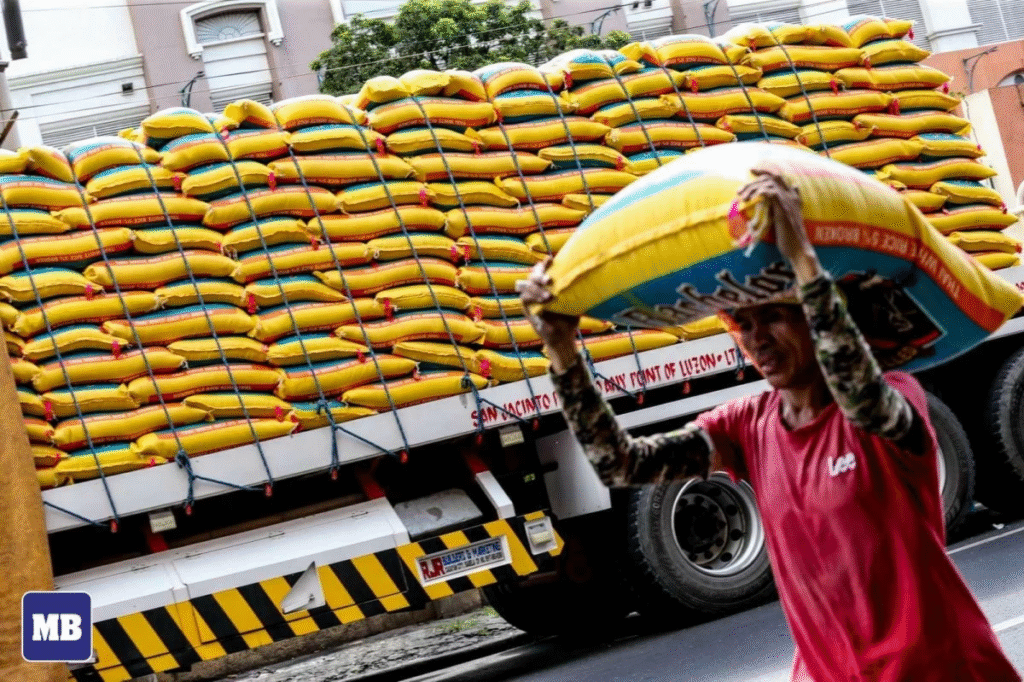
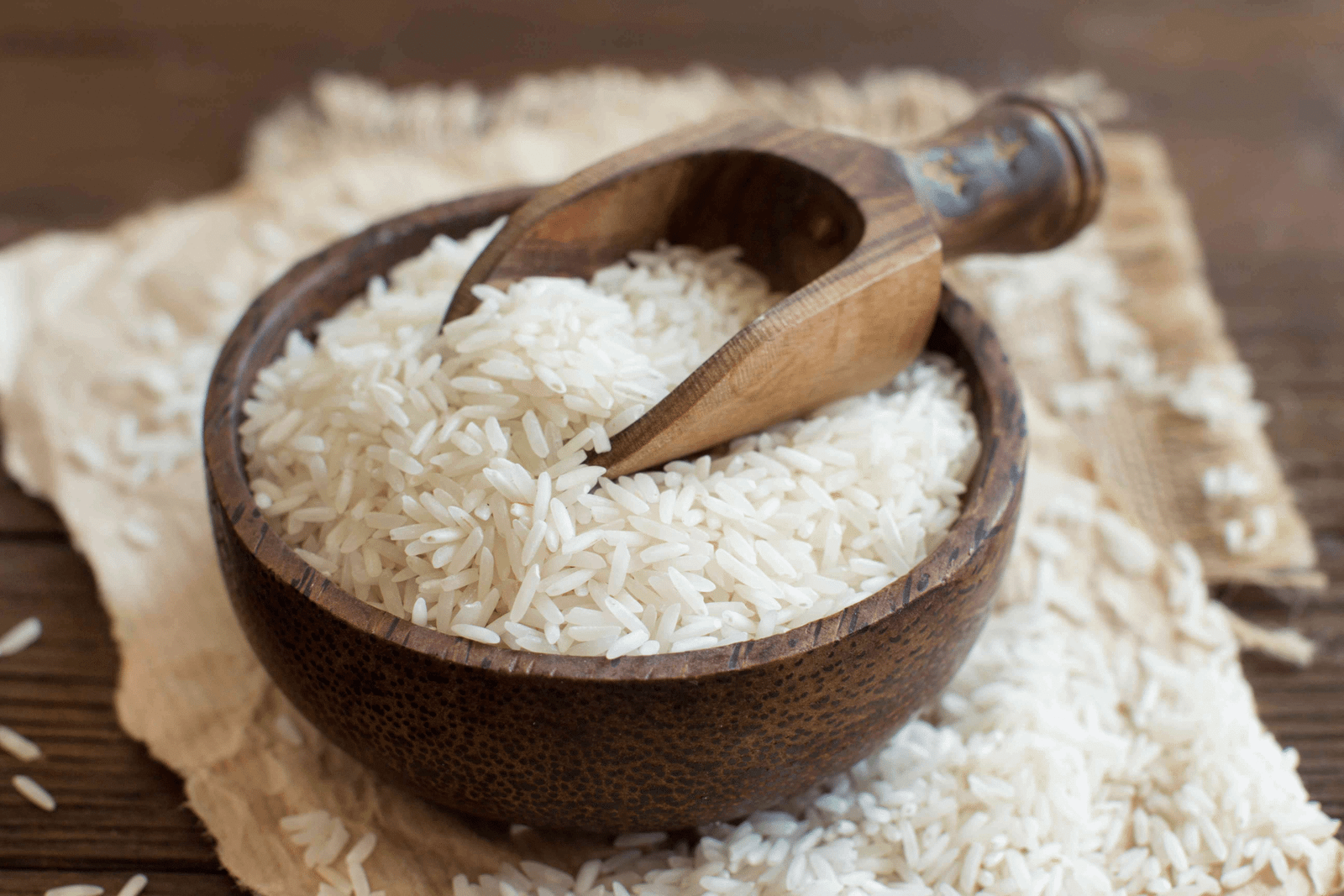
The Philippines is determining whether to ban the entry of five-percent broken rice, the country’s most commonly consumed imported variety, as part of proposed safeguard measures to protect the local rice sector from the surge in shipments from abroad.
Agriculture Secretary Francisco Tiu Laurel said on Tuesday, June 30, that the government is considering banning imports of five-percent broken rice to help minimize the entry of foreign rice into the country.
In support of this, the Philippines may opt to allow only imports of 25-percent broken rice or varieties with even higher broken grain percentages, he said.
“Safeguard measures triggered through quantitative restrictions (QRs) is also an option,” Tiu Laurel told Manila Bulletin when asked about the Department of Agriculture’s (DA) planned measures to temper rice imports.
A QR limits the volume of rice that may be imported. Although the Rice Tariffication Law (RTL) removed the Philippines’ longstanding QRs on rice imports in favor of tariffs in 2019, such restrictions may still be imposed as a safeguard measure under Republic Act (RA) No. 8800 or the Safeguard Measures Act if increased imports are found to be causing serious injury to the domestic industry.
Tiu Laurel signed Department Order (DO) No. 18 last week announcing that the DA’s investigation found a causal link between increased rice imports and serious injury to the domestic industry.
The DA said its findings, which were not disclosed, would be transmitted to the Tariff Commission (TC) for a formal investigation to determine whether definitive safeguard measures are warranted.
If the TC recommends that safeguard measures are necessary to limit imports, the government may implement actions to protect the rice industry from further harm.
Under RA 8800, the government may impose measures such as additional tariffs and QRs to provide relief to the local sector suffering serious injury as a result of increased imports.
For now, Tiu Laurel said the government has yet to decide which safeguard measures to impose, noting the need to study all legal implications to ensure any action complies with local laws as well as the country’s international trade commitments.
If it were up to him, he said the “ultimate solution” to addressing rice imports is the proposed Rice Industry and Consumer Empowerment (RICE) Act, which remains pending in Congress.
The RICE Act seeks to amend the RTL, which has been blamed for opening the domestic market to an influx of imported rice as well as curtailing the market intervention powers of state-run National Food Authority (NFA).
Earlier, the government imposed a price ceiling of ₱50 per kilo on five-percent broken imported rice to prevent market abuse and curb unjustified price increases.
The United States Department of Agriculture (USDA) said in a report last week that the policy may slightly temper rice imports this year because the price cap compresses profit margins for importers, reducing incentives to bring in additional shipments.
However, the projected decline in rice production due to higher input costs and the threat of El Niño would likely render the policy’s impact negligible, since imported rice helps bridge the gap between domestic output and demand.
Based on government data, the country’s rice imports from January to May rose by 20 percent to 2.31 million metric tons (MT) from 1.93 million MT in the same period last year.
The DA recently launched the safeguard investigation after petitioners claimed that the increased entry of imported rice is a substantial cause of serious injury and poses a threat to the domestic industry.
The petitioners—the Federation of Free Farmers (FFF) and Magsasaka Partylist—blamed the surge in imports for the country’s declining rice self-sufficiency, rising production costs, and the widening farmgate-to-retail price gap.
https://mb.com.ph/2026/07/01/da-seeks-new-60-day-price-price-cap-to-curb-profiteering-before-harvest-peaksPublished Date: July 1, 2026


 READ
READ