Downloads
 Login
Login
 Register


Tags
As Texas rice acres drop, rice delphacid threat looms
Texas rice producers face a challenging season with declining planted acreage due to low market prices. Continued vigilance against the invasive rice delphacid that damaged the 2025 crop is urged.
Blair Fannin
At a Glance
- Texas rice acreage is falling as market prices remain low.
- Producers must remain vigilant for rice delphacid.
- Emergency treatment has been approved.
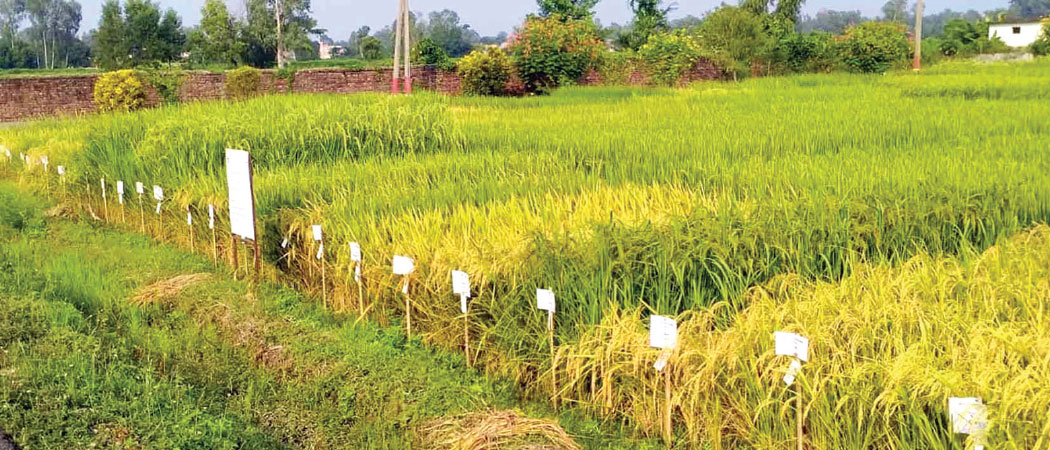
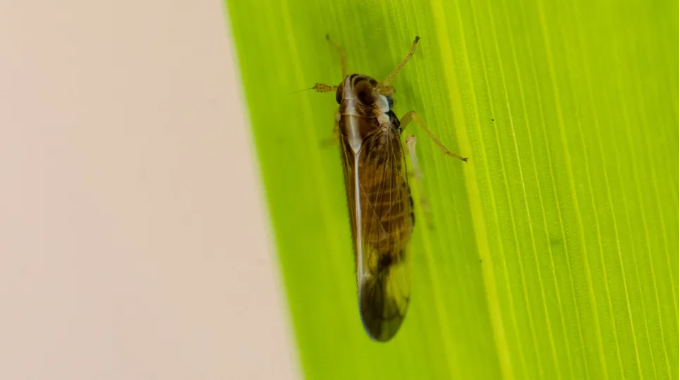
Texas rice producers enter a new crop year with a watchful eye on prices, yield potential and the threat of rice delphacid, an invasive planthopper that wreaked havoc on the 2025 crop, according to Texas A&M AgriLife experts.
However, planted acres have been on the decline due to low market prices. USDA has estimated 125,000 planted acres in Texas, but Sam Rustom, Texas A&M AgriLife professor and Extension agronomist, said that could fall to 100,000 acres when final planted acreage numbers are released.
“Acreage reductions are not limited to Texas and are following larger nationwide trends,” he said. “Other rice-producing states like Arkansas and Mississippi are expected to be down to around 850,000 acres (historically 1.4 million acres) and 50,000 acres (historically 137,000 acres), respectively. These acreage reductions can be attributed to low market prices because of global oversupply, primarily due to increased production and increased competition from India, Thailand and South America over the past 10 years.”
Rice delphacid threat
The threat of rice delphacid continues to loom as the season progresses, Rustom said. The piercing and sucking planthoppers feed on rice plants, extracting sap and depriving the plant of essential nutrients, which causes damage known as “hopper burn,” characterized by yellowing leaves and scars on leaf blades.
They also excrete excess sugar, called “honeydew,” which leads to the growth of sooty mold. In severe cases, this can lead to extensive plant dieback, stunted growth and substantial yield losses.
An AgriLife Extension fact sheet provides producers with more information about the pest.
“Rice delphacid has by far been the hottest topic in Texas rice over the past two years, and scouting efforts are underway statewide,” Rustom said.
So far, the threat has been minimal, but monitoring continues, said Lina Bernaola, a Texas A&M AgriLife Research entomologist in the Texas A&M Department of Entomology.
“From an entomology perspective, based on scouting observations from monitored fields in Wharton, Waller, Liberty, Chambers and Jefferson counties, insect pressure has remained relatively low across the Texas Rice Belt,” she said. “Rice delphacids have not been detected in monitored fields to date, and no widespread insect outbreaks have been observed. Most fields are currently in the early- to late-tillering stages.”
Localized infestations of chinch bugs and fall armyworms have occurred in some areas but have generally remained below levels of economic concern, Bernaola said.
“Rice delphacid remains a pest of interest due to its recent importance in Texas rice production,” she said. “Although rice delphacids have not been detected in our monitored fields, continued scouting is important as the crop progresses into later growth stages and environmental conditions change. Early detection remains critical because insect populations can increase rapidly under favorable conditions.”
Rustom said Courier Insect Growth Regulator received a Section 18 Emergency Use Exemption earlier this year and will be the primary product used to manage this pest.
“Remember, growth regulators like Courier are only active on molting nymphs,” he said. “If there is a high population of adults present, growers should consider adding an adulticide to the tank. In addition, Courier should offer good residual activity up to two to four weeks after treatment. If anyone has questions or wisdom to share about this insect, please don’t hesitate to reach out.”
https://www.farmprogress.com/insects/as-texas-rice-acres-drop-rice-delphacid-threat-loomsPublished Date: June 12, 2026


 READ
READ