Downloads
 Login
Login
 Register


Tags
Agricultural management offsets climate losses in global rice production
By Joshua Poole
Key takeaways
- Global rice production nearly doubled over five decades, largely due to irrigation, nutrient inputs, and improved farming practices.
- Climate change reduced rice production by an estimated 7% between 2006 and 2015, with India, Indonesia, and China most affected.
- The findings highlight the importance of climate-smart agriculture and resilient supply chains for rice-based food ingredients.
Global rice production nearly doubled between the 1960s and the 2010s despite the growing impacts of climate change, according to new research from the University of Illinois Urbana-Champaign, US. The findings underscore the critical role of agricultural management practices in safeguarding food security and offer insights for the food ingredients sector as climate-related risks intensify.
Published in Scientific Reports, the study examined how environmental changes and farming interventions shaped rice production over the past five decades. Researchers combined observational data with process-based modeling to assess the effects of climate change, atmospheric carbon dioxide (CO2), irrigation, fertilizer use, manure inputs, multiple cropping systems, and planting methods on global rice output.
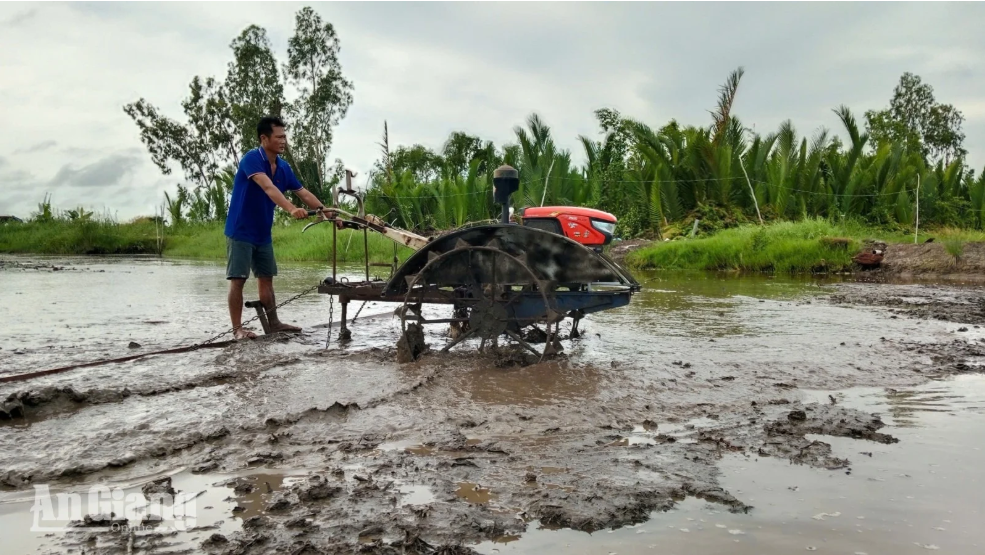
The analysis found that management decisions — particularly expanded irrigation and increased nutrient inputs — were the primary drivers behind rising rice production levels. These interventions helped offset climate-related yield losses and enabled growers to significantly increase output across major rice-producing regions.
For ingredient manufacturers and food producers reliant on rice-derived ingredients, the findings highlight the growing importance of agricultural resilience strategies. Rice remains a foundational raw material for numerous applications, including starches, syrups, flours, proteins, and fermented ingredients used across bakery, snacks, beverages, and plant-based product categories.
Rice production: Humans versus climate change
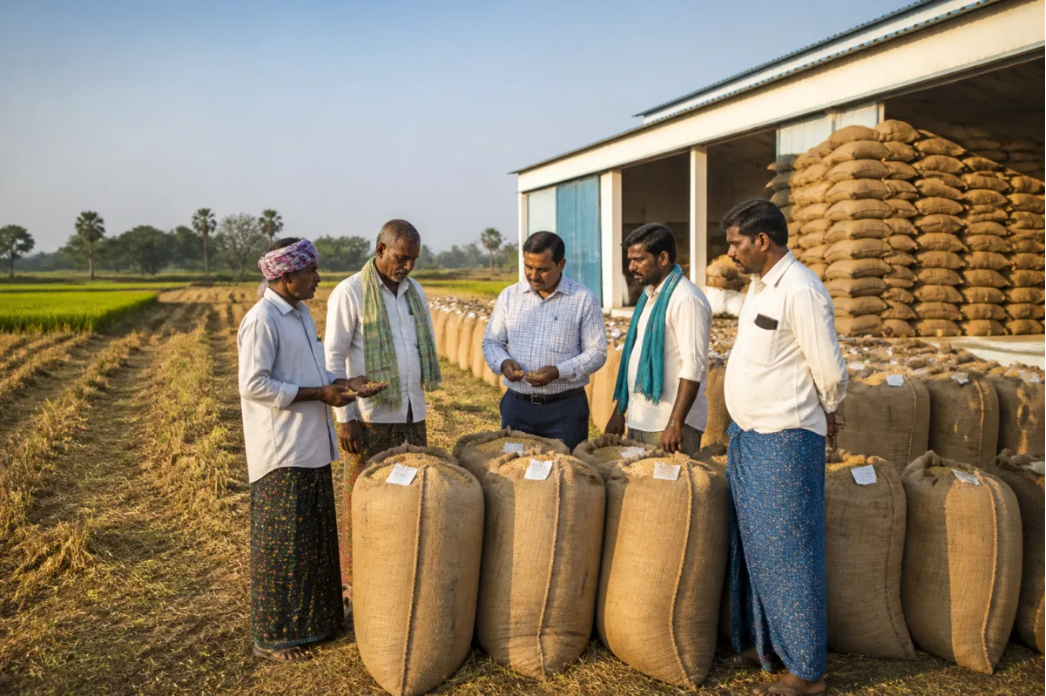
The research also revealed a more complex picture of environmental influences on crop production. While climate change reduced global rice production by an estimated 7% between 2006 and 2015 through warming temperatures, heat stress, and water shortages, elevated atmospheric CO2 levels partially counteracted these effects by stimulating photosynthesis and improving water-use efficiency.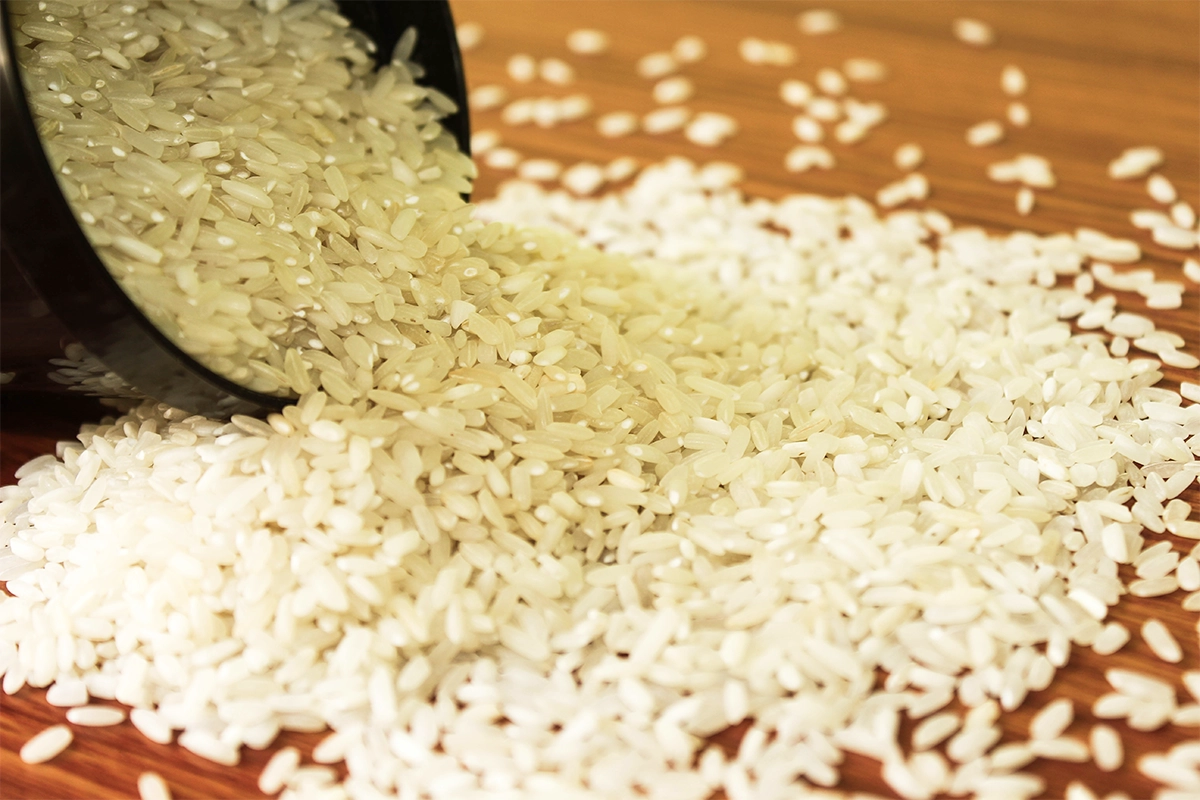 Improved farming practices have helped global rice production nearly double despite growing climate pressures, new research finds.
According to the researchers, climate change was the only factor examined that negatively affected rice production on a global scale. India experienced the largest climate-related losses, followed by Indonesia and China, highlighting the vulnerability of some of the world’s most important rice-growing regions.
The findings arrive as food manufacturers face increasing pressure to secure reliable ingredient supplies amid climate uncertainty. Rice is a staple food for billions of consumers and a strategic agricultural commodity throughout the Asia-Pacific, making production stability a key concern for both food security and ingredient sourcing.
Balancing agricultural intensification with sustainability
Beyond productivity gains, the study points to the need for balancing agricultural intensification with sustainability goals. Increased irrigation and fertilizer use have supported higher yields, but future strategies will need to address associated challenges, such as greenhouse gas emissions, water resource management, and environmental impacts.
The researchers plan to build on the framework by identifying pathways that can simultaneously meet future rice demand, strengthen climate resilience, and improve the long-term sustainability of rice production systems.
For the food ingredients industry, the research reinforces a growing consensus: future ingredient security will depend not only on adapting to climate change, but also on continued investment in agricultural technologies, resource-efficient farming practices, and climate-smart crop management systems.
https://www.foodingredientsfirst.com/news/climate-smart-farming-global-rice-production.htmlPublished Date: June 13, 2026


 READ
READ