Downloads
 Login
Login
 Register


Tags
Africa’s crop diversity under threat, action needed to protect food security and nutrition, says report
The crops, their varieties, wild relatives and other edible plants are disappearing faster than they are being conserved.
by agatha Ngotho
In Summary
- Locally adapted crop varieties or landraces, passed down by farmers for generations, are vanishing.
- These include staples like sorghum, millet, yam, rice and traditional cotton often better suited to local climates than commercial varieties.
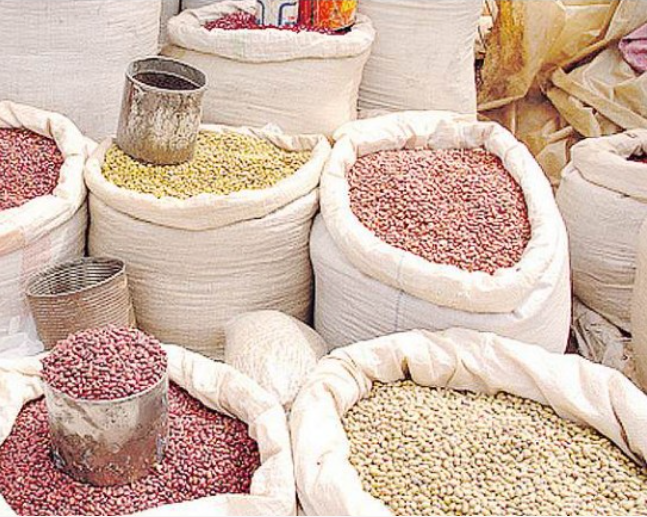
Africa is losing the plant diversity that underpins food security, nutrition and livelihoods, a new report warns.
The Third Report on the State of the World’s Plant Genetic Resources for Food and Agriculture shows that crops, their varieties, wild relatives and other edible plants are disappearing faster than they are being conserved. It was launched last week in Nairobi by the Food and Agriculture Organization of the United Nations.
“This report shows clearly that Africa is losing plant genetic diversity at a pace that threatens food security, nutrition, and the resilience of agrifood systems,” FAO deputy director of plant production and protection Chikelu Mba said.
Locally adapted crop varieties or landraces, passed down by farmers for generations, are vanishing.
These include staples like sorghum, millet, yams, rice and traditional cotton often better suited to local climates than commercial varieties.
In sub-Saharan Africa, 16 per cent of 12,000 unique accessions in 19 countries are now threatened, narrowing farmers’ options as droughts and heat intensify.
Wild food plants that provide essential nutrients and act as safety nets are also in decline. Baobab, shea, marula, tamarind, African bush mango and indigenous leafy vegetables like amaranth and African nightshade are under pressure.
Seventy per cent of assessed wild food plants and crop wild relatives sources of drought and disease resilience are threatened. Yet African genebanks conserve only about 14 per cent of collected crop wild relatives, leaving many adaptive traits at risk of permanent loss.
Extreme weather, land-use changes and underinvestment in seed systems accelerate the crisis.
Although 14 African countries have studied nearly half of their seed collections and 21 countries are breeding improved varieties, urgent action is needed.
“Conserving Africa’s plant genetic resources is not a luxury; it is a necessity for resilient agrifood systems in a changing climate,” said Eliane Ubalijoro, CEO of Centre for International Forestry Research and World Agroforestry.
Without coordinated policies, investments, and support for farmers as custodians of these resources, Africa risks losing the foundation of its food security and future prosperity.
https://www.the-star.co.ke/counties/central/2026-02-17-vanishing-varieties-africas-crops-in-crisisPublished Date: February 17, 2026



 READ
READ