Downloads
 Login
 Register

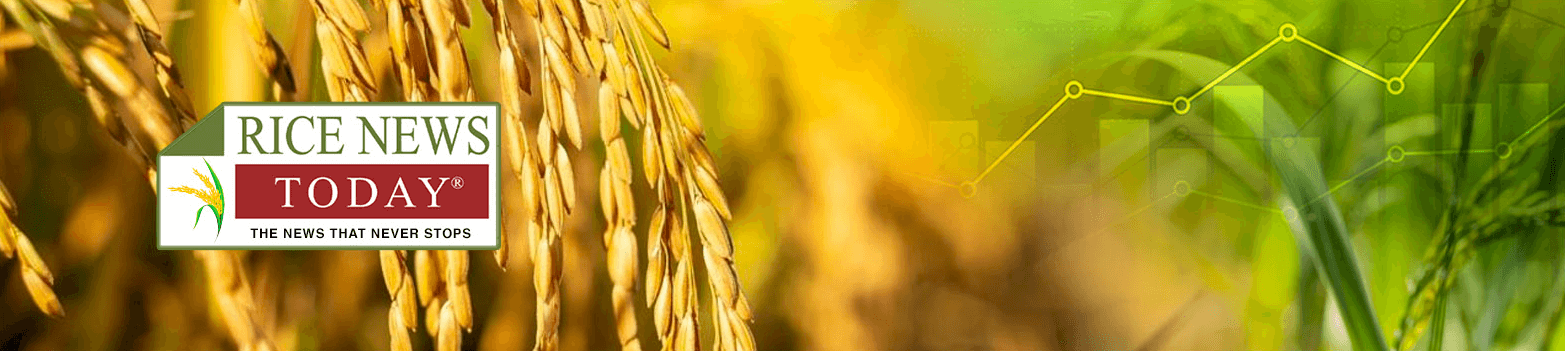
Southeast Asia’s rice farmers are being squeezed. Your wallet could be next
Consumers in Malaysia are facing soaring prices of rice imports from Thailand and Vietnam amid falling supply
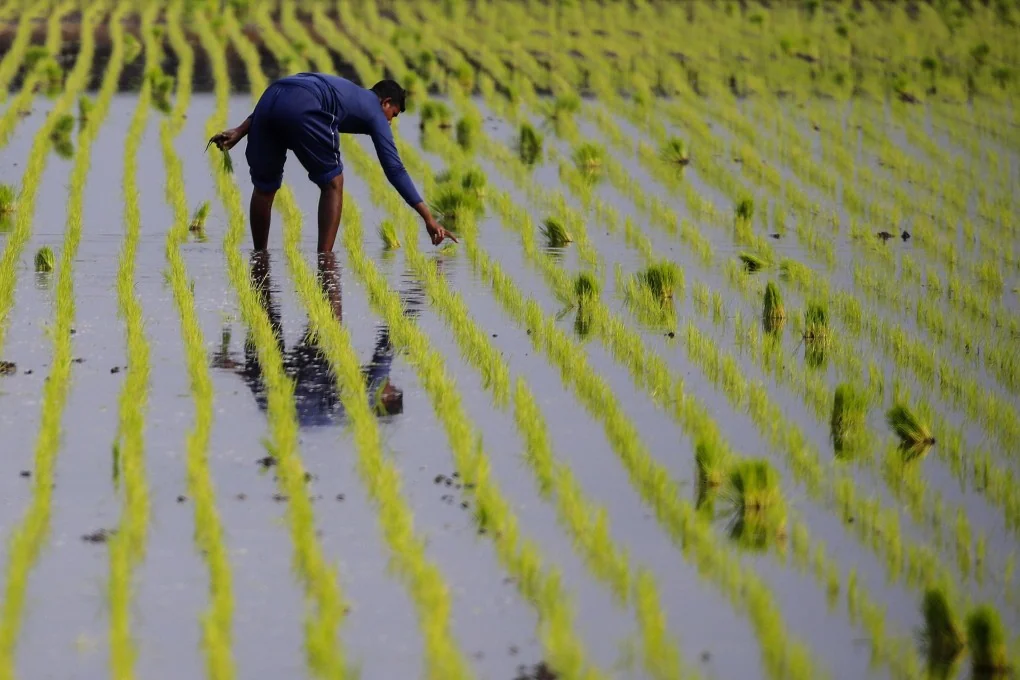
For more than three decades, Andrew Lim has watched rice farmers in the Malaysian agricultural town of Sekinchan rely on familiar weather patterns to know when to plant their crops.
But increasingly unpredictable rainfall and extreme heat are making it harder for farmers to get their timing right, with devastating consequences for their livelihoods.
Lim, who runs a rice mill, said farmers were now harvesting just four to five tonnes of unmilled rice each season, compared with 10 tonnes two years ago.
“We cannot make money. We lost a lot,” Lim said.
His comments reflect a growing challenge in the Southeast Asian agricultural sector, where increasingly erratic weather is threatening rice harvests, creating a dilemma for farmers on how much to charge consumers for the staple grain even as supply falls.
Rice export prices in Thailand and Vietnam, two of the world’s major rice suppliers, reached nearly two-year highs in early November amid strong demand and concerns over harvests.
Malaysia is particularly vulnerable to such pressures as it produces only roughly half the rice it needs, leaving consumers exposed to the effects of extreme weather at home and abroad.
Thailand and Vietnam accounted for 52 per cent of Malaysia’s rice imports last year, according to figures from the International Rice Research Institute (IRRI).
In Sekinchan, even small shifts in weather patterns can have significant consequences for farmers.
Depending on the variety, rice crops could take between 100 and 107 days to mature after transplanting, making it particularly important to get planting dates right, Lim said.
Transplanting dates in Sekinchan have been brought forward by nearly three weeks over the last two years, largely due to unpredictable weather and changing rice growth cycles that farmers had traditionally followed, according to Lim.
“We understand the rain cycles, and when the transplanting schedule is moved, we are unable to predict because these are important factors for the paddy flowers that are sensitive to these changes,” Lim said.
Production costs are also rising, with the price of a 50kg bag of imported fertiliser currently reaching 210 ringgit (US$51) – up 30 to 45 per cent – alongside higher pesticide costs.
A native Sekinchan farmer, who asked to be identified only as Pua, said his 1.6 acre paddy field now produced only 50 per cent of what it did 10 years ago.
“We’re at a loss now. Costs are increasing, but harvest is declining,” he said.
Muhamad Shakirin Mispan, an associate professor from the University of Malaya’s Institute of Biological Science, said the impact of extreme weather on rice production was dependent on the stage of the plant’s development.
“High temperatures during flowering could interfere with fertilisation, resulting in more empty grains, while heat stress during the grain-filling stage could reduce grain weight and quality,” he said.
Prolonged rainfall could reduce sunlight availability for photosynthesis, increasing the chances of crop disease spread, while flooding could cause paddy plants to bend or collapse, Shakirin added.
“What concerns me the most is the increasing unpredictability of these weather patterns. Farmers can no longer rely entirely on conventional planting calendars.”
Rising prices
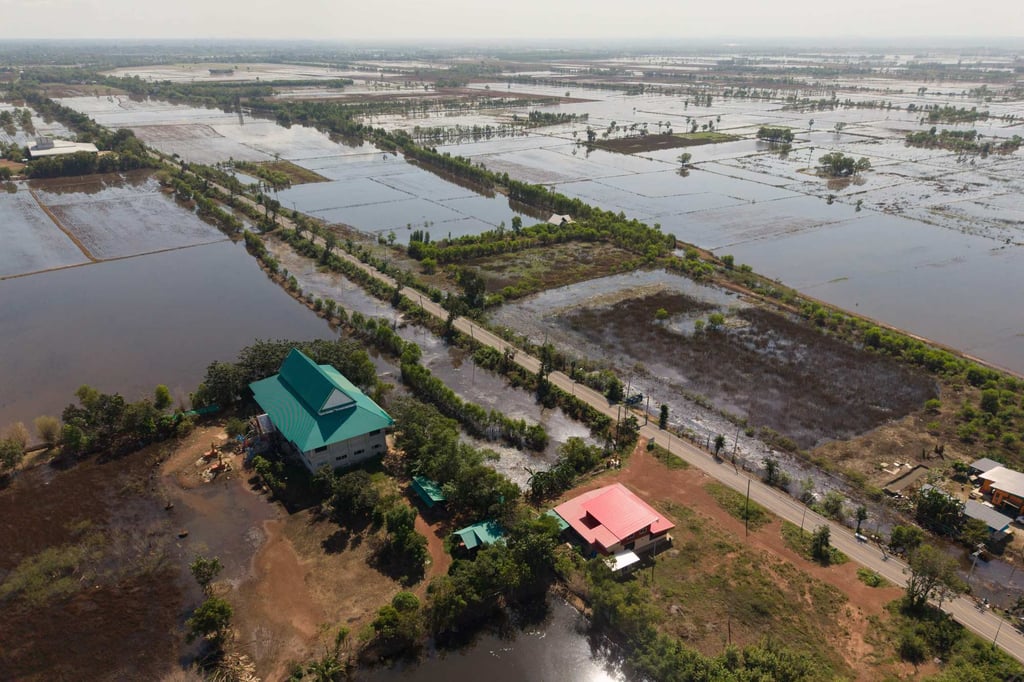
Thailand and Vietnam are also grappling with weather-related disruptions to their rice harvests as prices continue to soar.
The Thai agriculture ministry has forecast a 2.3 per cent decline in the country’s paddy harvest to 25.8 million tonnes in the 2026–2027 season, as drought affected farmers in the north and flooding damaged fields in the central regions, according to figures provided by the IRRI.
Vietnam harvested nearly 37 million tonnes of paddy in the first 10 months of 2026, down 2 per cent from the corresponding period last year.
Alisher Mirzabaev, a senior scientist for Policy Analysis and Climate Change at IRRI, said Vietnam also faced a threat of saltwater intrusion into rice farms’ irrigation systems, especially during its winter-spring rice season in the coastal Mekong Delta.
“When river flows fall, saltwater can reach irrigation intakes just when farmers need fresh water for flowering rice,” Mirzabaev said.
On November 19, Thai rice with 5 per cent broken grains prices were quoted at US$505 to US$510 per tonne, the highest since December 2024, while Vietnamese rice of the same grade was at US$475 to US$482 per tonne, according to the Thai Rice Exporters Association.
Mirzabaev said strong demand from the Philippines, flooding in Thailand and concerns over future harvests contributed to the higher prices of rice exports from Thailand and Vietnam.
“Prices could continue rising if El Nino leads to more severe weather disruptions with lower rice production,” he added. “High fertiliser and fuel prices are also negatively affecting rice production and increasing production costs.”
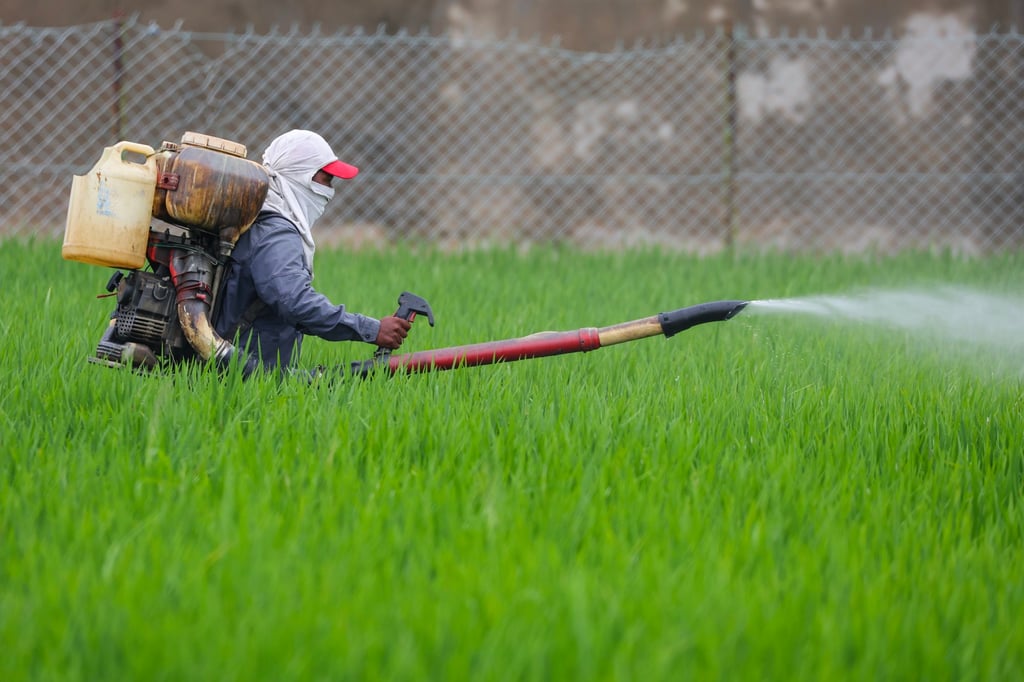
For Malaysia, it has enough rice to last for at least six months but is facing challenges in meeting its target of 80 per cent rice self-sufficiency by 2030.
Official data showed that the ratio fell to 52.9 per cent in 2024 from 56.2 per cent in 2023 – based on the latest available data – as paddy production declined by 5.3 per cent to 2.06 million tonnes over the period.
A report by the United Nations Food and Agriculture Organization forecast Malaysia’s paddy production at 2.1 million tonnes in 2026, below its five-year average, due mainly to floods and dry weather.
The country’s rice imports are expected to reach 1.7 million tonnes this year while El Nino threatens the 2027 harvest, according to the report.
Shakirin warned that dwindling domestic production could limit supplies of affordable local rice, forcing consumers to turn to expensive imports.
Mirzabaev said the price pressure faced by Malaysia could worsen if climate disruptions were to affect supplies from Thailand and Vietnam.
Renard Siew, founder of Accelerating Climate Action, called for better climate forecasting, climate-resilient rice varieties, improved water management and financial support for farmers in Malaysia.
“We have invested in irrigation and agricultural support, but adaptation needs to move beyond reactive measures. We cannot expect farmers to adapt to a changing climate using yesterday’s tools and assumptions,” he said.
This Week in Asia has contacted Agriculture and Food Security Minister Mohamad Sabu for comment.
https://www.scmp.com/week-asia/economics/article/3375805/southeast-asias-rice-farmers-are-being-squeezed-your-wallet-could-be-nextPublished Date: November 27, 2026


 READ