Downloads
 Login
Login
 Register


Tags
China: Study confirms rice fish farming boosts yield and cuts pesticide use
By Vivek Waghmode
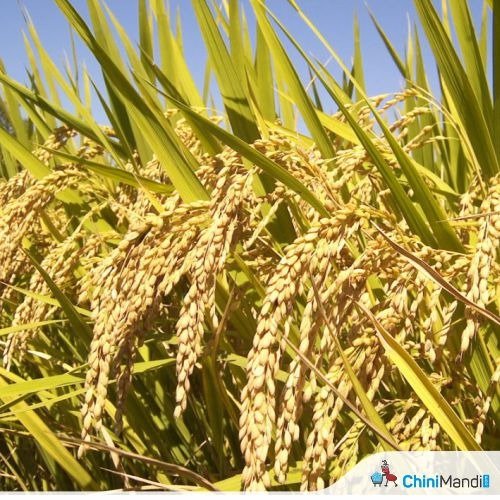
Shanghai: A global research team led by East China University of Science and Technology in Shanghai has confirmed that the traditional rice–fish co-culture system can significantly improve crop yields while naturally controlling pests and diseases, offering a viable model for sustainable agriculture.
The findings, based on collaboration with scientists from 18 countries, showed that rice yields under the rice–fish system increased by an average of 12.5 per cent compared with conventional monoculture farming. The study was published in Current Biology, a Cell Press journal.
According to the researchers, the presence of fish in paddy fields plays a key ecological role. Data analysis indicated that invertebrate predators and parasitoids nearly doubled in such systems, while pest levels declined by 24.1 per cent, diseases by 38.8 per cent and weeds by 45.7 per cent.
Wan Nianfeng, lead scientist of the study and a professor at the university’s School of Pharmacy, said the findings demonstrate a scalable solution to global agricultural challenges. He noted that the system could help address food security concerns, reduce pesticide use, limit agricultural pollution and support biodiversity.
The rice–fish farming method, which dates back over 2,000 years to the Han Dynasty, integrates aquaculture with paddy cultivation. The system in Qingtian county, Zhejiang province, was recognised as a Globally Important Agricultural Heritage System by the Food and Agriculture Organization of the United Nations in 2005.
The research team explained that the system improves productivity through ecological interactions. In simpler terms, fish directly reduce pest populations, while also supporting natural predators that further suppress pests. This dual mechanism enhances crop yields both directly and indirectly.
To validate the results, the team conducted a four-year field study, which found significantly lower pest levels and higher populations of predatory species such as spiders in rice–fish fields compared to monoculture farms. The study also reported improvements in grain weight and overall yield.
Further experiments showed that fish species such as crucian carp and red carp selectively feed on pests like brown planthoppers without harming beneficial predators. According to Wan, this behaviour allows fish to act as “precision regulators” in the ecosystem, strengthening natural pest control mechanisms.
The researchers said the system has proven effective across different farming conditions, including organic and conventional systems, as well as in both temperate and tropical regions, making it a promising approach for sustainable agricultural development worldwide.
https://www.chinimandi.com/china-study-confirms-rice-fish-farming-boosts-yield-and-cuts-pesticide-use/Published Date: May 8, 2026


 READ
READ