Downloads
 Login
Login
 Register


Tags
Money’s not the answer: Financial incentives weak motivator for low-emission rice farming
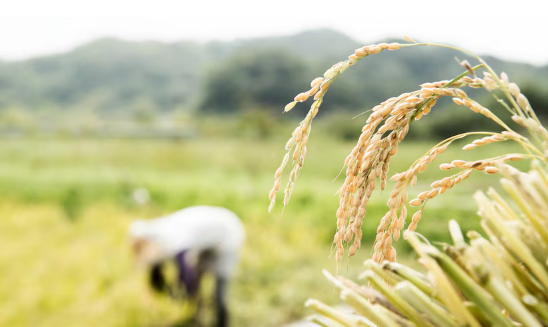
The promise of financial rewards delivers only limited results in reducing greenhouse gas emissions (GHGs) in rice farming in the Mekong Delta.
In a recent study, researchers from Can Tho University and the International Rice Research Institute (IRRI) investigated if monetary incentives were effective in driving the behavioural changes necessary to drive adoption and scaling up of low emission practices.
The season-long field experiment involved 200 farmers in Vinh Thanh district, Can Tho City along the Mekong Delta.
The treatment group was offered financial reward of around $20 for reducing emissions by less than one ton of CO2e per hectare, and double that for exceeding that.
Despite the clear financial rewards, the researchers found that it had a limited effect on reducing GHGs.
The realities of farming:
There was no statistically significant difference observed between the farmers who were paid and the control group that received only training.
While the treatment group showed moderate improvements in reducing seed rates and nitrogen fertiliser use, the overall impact on GHG emissions was negligible during the season-long trial.
“For many rice producers, the perceived risks and labour demands of adopting new technologies often outweigh a modest cash incentive,” said the researchers.
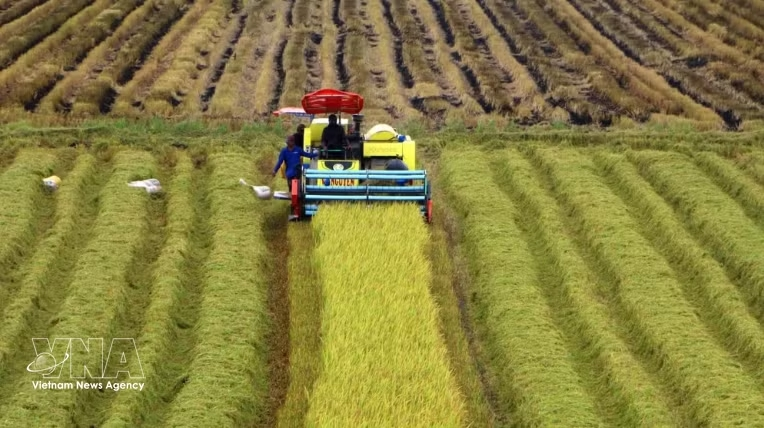
“Furthermore, many farmers in the region had already reached a high baseline of adoption for certain practices, such as using combine harvesters, improved water management techniques, and use of certified seeds, meaning there was less room for the incentives to trigger dramatic new shifts.”
The results point to the structural and behavioural barriers that shape farmer decision-making.
A single cropping season does not provide enough time for farmers to test, refine and internalise new management skills, particularly for complex practices such as water management that influence methane emissions.
The researchers also note that farmers typically lack clear knowledge about which specific actions most directly affect emissions, making it difficult for them to respond strategically to incentive schemes.
All about community:
The study found that the most reliable predictor of lower emissions was not cash, but community participation.
The study found that farmers’ participation in cooperatives was a much stronger predictor of lower emissions than financial incentives.
Farmers who belonged to agricultural cooperatives emitted an average of 1.53 tons of CO2e per hectare less than non-members.
This indicated that shared resources, stronger social norms and better access to knowledge play a crucial role.
The researchers concluded that while carbon payments can contribute to climate policy, they cannot drive systemic change on their own.
The adoption of low-emission practices was also shaped by social norms, peer influence, and cognitive factors.
These social and institutional factors appeared far more influential than one-off payments.
The researchers underscored that if Vietnam was to scale low-emission rice production across the Mekong Delta, financial incentives must be integrated into broader, long-term support systems.
They pointed to the need for sustained extension services that help farmers troubleshoot new methods, community-level engagement that builds trust, and behavioural strategies such as social norm messaging and public recognition.
They also stressed the importance of transparent monitoring, reporting and verification systems to support credibility and ensure fair reward distribution.
For Vietnam to achieve its 2050 net-zero ambitions, the authors recommended coordinated policy frameworks that recognise the diversity of farmers’ needs and build a supportive ecosystem involving scientists, government agencies and local cooperatives.
By addressing both the technical and social dimensions of adoption, Vietnam would be able to move more effectively toward a high-quality, low-emission rice sector.
https://www.agtechnavigator.com/Article/2026/04/15/financial-incentives-weak-motivator-for-lowemission-rice-farming-adoption-study/Published Date: April 15, 2026


 READ
READ