Downloads
 Login
Login
 Register


Tags
Top Rice News: China’s Ratoon Rice Farm, Asia Rice Markets And MP Rice Exports

Today’s Top rice news includes China’s Ratoon rice farm, Asia rice markets subdued due to high shipping costs hitting rice exports, and Madhya Pradesh’s rice exports hit by the West Asia crisis
China builds world’s first unmanned ratoon rice farm to boost yields
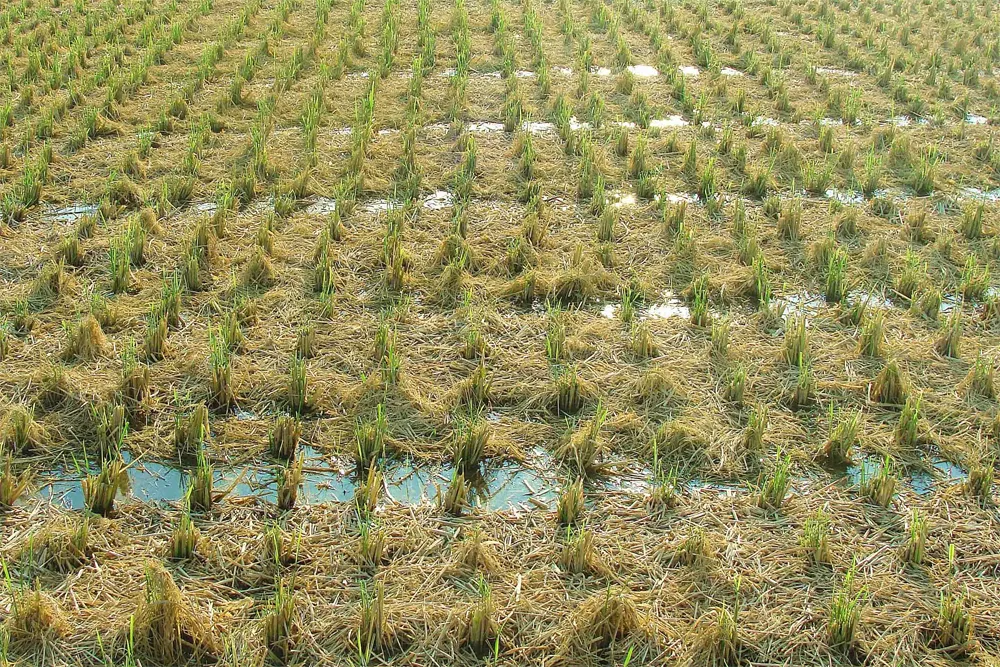
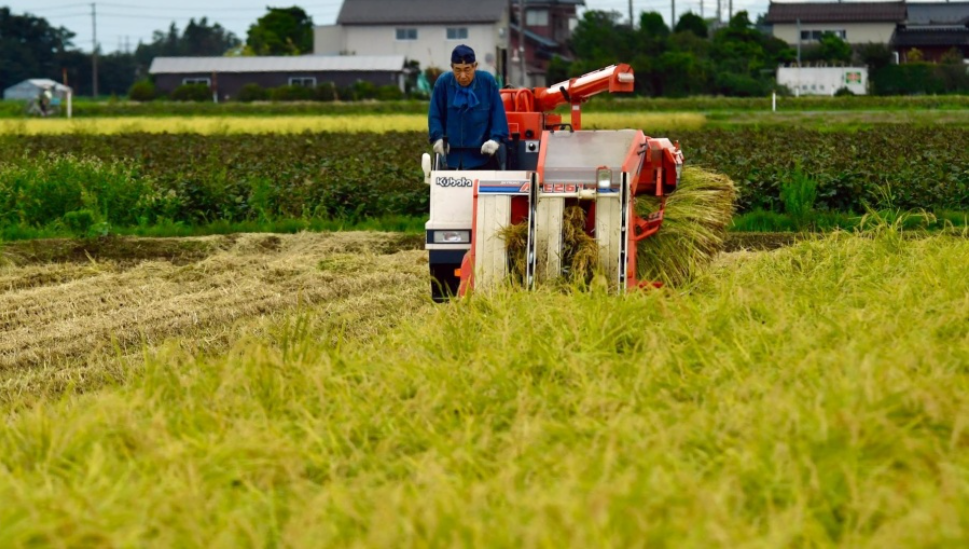
Recently, China’s potential to cultivate 90 per cent of its own grain by 2032 gained a serious weapon that is an unmanned ratoon rice farm that produces 50 per cent higher yields. A Chinese biotechnology company and scientists from several institutes have built the world’s first smart farm for regenerated rice by harnessing smart seedling care, sowing, growing and harvesting. Notably, these farms are located in the Datong Lake District in China’s central Hunan Province. Interestingly, smart rice farms have enabled an ancient yet technically challenging technique for harvesting a second rice crop grown from the stubble of the first harvest. Xiong Jiajun, the founder of Hunan Hongshuo Biotechnology Co., which is leading the project, stated that agricultural machinery goes to the fields, but he does not go to the fields. Notably, this year Xiong reported deploying 20 sets of unmanned machinery, which can cover 666 hectares of rice fields. In recent years, the yield of their smart farm has exceeded 18 tonnes per hectare, up 6 tonnes per hectare from traditional two-season rice. Moreover, two-season or double-cropping rice in a system in which two rice harvests are produced on the same field in a year, requiring replanting after each harvest.
Asia rice markets subdued as high shipping costs hit exports
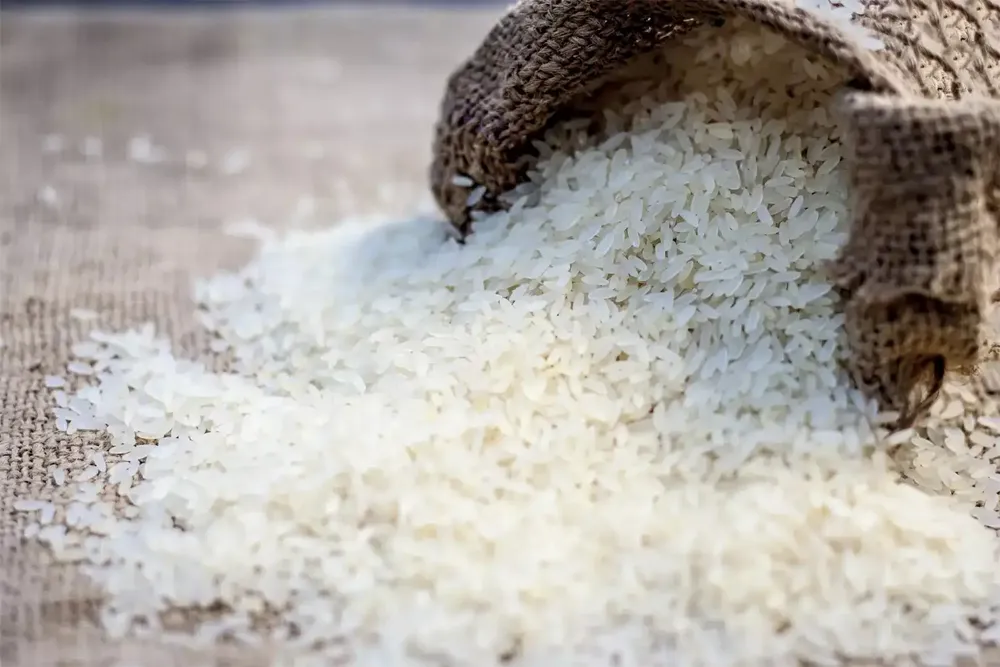
Rice export activity in significant Asian countries, including India, Vietnam, and Thailand, has slowed down in recent weeks, as rising shipping costs and geopolitical tensions in the Middle East continue to impact global trade. Surprisingly, Freight rates have surged, making shipments more expensive and challenging for exporters to maintain competitive pricing. As a result, various international buyers are postponing or reducing orders, creating a slower pace of transactions in these significant rice-exporting countries. In India, the situation is compounded by ample domestic rice supplies and a weakening Indian rupee, which have placed further downward pressure on export prices. Interestingly, Exporters face a difficult balance between sustaining profit margins and maintaining market share in an increasingly cautious global market. Not only this, but Vietnam and Thailand also are witnessing delays at ports and higher logistics costs, which are discouraging bulk shipments and affecting delivery timelines for overseas buyers. Weak demand from importing countries, many of which are also feeling economic pressure and supply chain uncertainties, has kept rice prices muted despite steady production levels. Analysts warn that asian rice exporters may continue to struggle with sluggish trade. Countries dependent on imports from Asia could face delays or higher costs, unless shipping costs stabilize and regional tensions ease, highlighting how geopolitical conflicts can have far-reaching effects on food supply chains and global commodity markets.
West Asia crisis hits India’s Madhya Pradesh rice exports
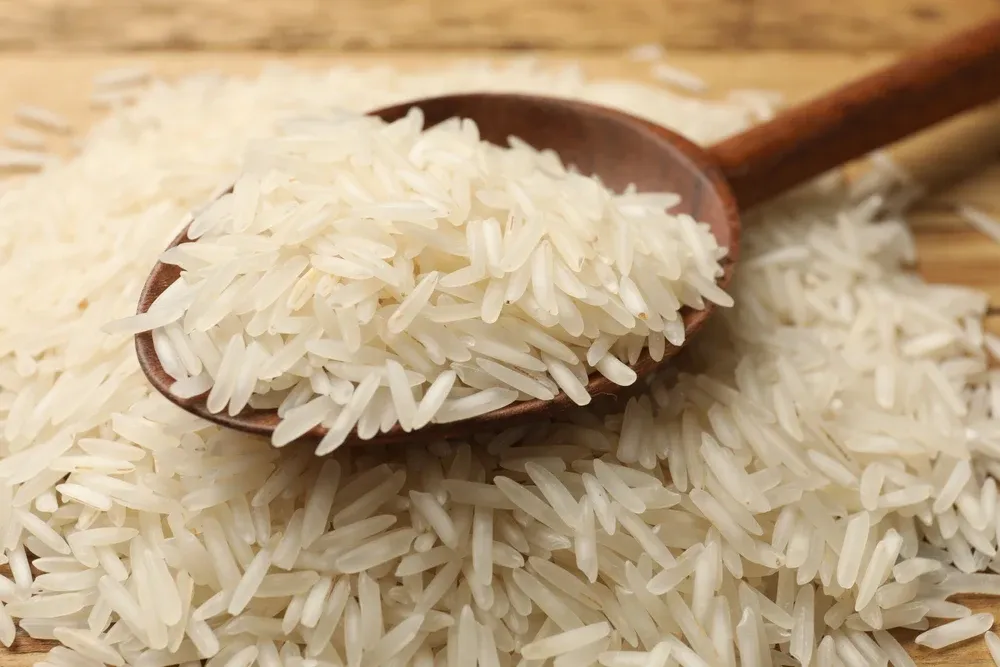
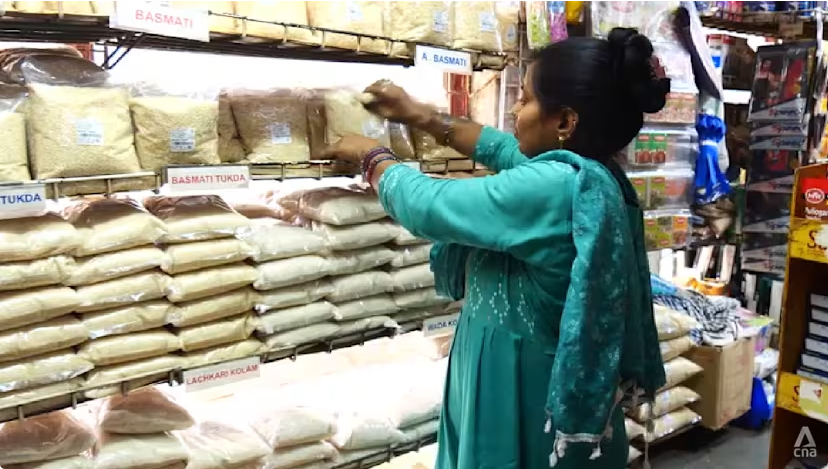
Rice exports from Madhya Pradesh have been majorly hit by the ongoing West Asia crisis, industry stakeholders say, as geopolitical tensions disrupt significant trade routes and logistics. Notably, the conflict in the Middle East has caused major shipments of basmati and non‑basmati rice to stall at ports, creating widespread delays and increased costs for exporters in the state’s rice‑producing regions such as Raisen and Balaghat. Interestingly, Exporters cited that freight rates have surged by around 30 per cent, whereas a severe shortage of shipping containers has compounded the challenges of fulfilling international orders on time. Large volumes of rice meant for markets in the Gulf, including Iran, Iraq, Saudi Arabia, Jordan and Dubai, remain stranded at factories, warehouses and seaports, preventing consignments from reaching buyers and disrupting payment cycles for exporters. The backlog at ports has also put pressure on working capital, while some rice mills have halted operations on a temporary basis due to the uncertainty. The rising cost of freight and shipment delays has led to a sharp drop in rice prices in the domestic market, deeply affecting farmers and mill owners who depend on export demand. Moreover, Exporters warn that continued disruption could weaken the sector’s economic health and threaten livelihoods if the crisis in West Asia persists.
https://iref.net/rice-news/top-rice-news-china-ratoon-rice-farm-asia-rice-marketsPublished Date: March 23, 2026


 READ
READ