Downloads
 Login
 Register

Tags
Rice Stocks, Burning Peat And Rethinking Indonesia’s El Niño Response – OpEd
By Rabiul Misa
Key Takeaways:
- Indonesia’s Bulog is releasing an extra million tonnes of subsidised SPHP rice between October and December to counter price rises linked to El Niño, while converting monthly food aid for more than 33 million people into a single 30-kilogram distribution.
- The article argues that warehouse releases address only the symptom: peat and frontier fires destroy next season’s yield through haze, soil loss and direct crop damage, yet fire prevention remains disconnected from food-security and inflation planning.
- Simultaneous import restrictions by major producers risk thinning regional rice trade, while recurring haze threatens relations with Malaysia and Singapore; the author calls for integrating peat restoration into food policy and for more transparent use of ASEAN emergency-rice and haze-pollution mechanisms.
Indonesia can tell you, almost to the tonne, how much rice is sitting in its state warehouses. It tracks with far less urgency how much of the next harvest is quietly going up in smoke. This season, the more telling rice-price indicator may not be a market survey at all, but the satellite hotspot maps that start blinking over Sumatra and Kalimantan whenever El Niño stretches the dry season. Every red dot is a patch of drained peat or farm frontier smouldering somewhere, and every one of them is a small, unrecorded withdrawal from the stock the country will need next year.
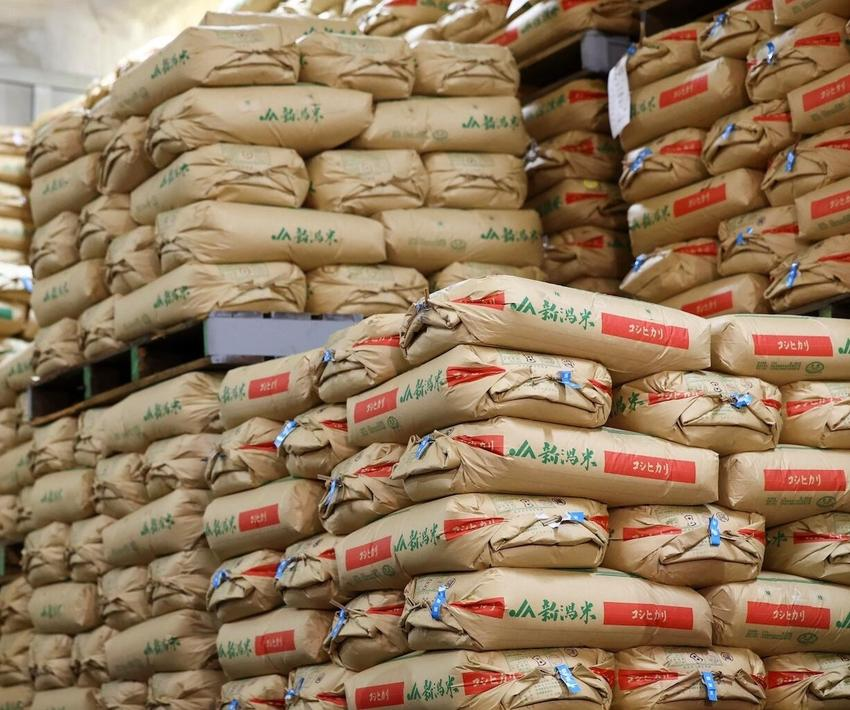
Jakarta’s attention is, understandably, on the other end of the chain. In early September, Bulog, the state logistics agency, sought roughly 400,000 extra tonnes of beras SPHP, the medium-grade rice sold cheaply under the Food Supply and Price Stabilisation programme, because its warehouses were running low. It received approval for a million tonnes. Retail prices had already edged up by Rp100–200 a kilogram, and Coordinating Minister for Food Zulkifli Hasan was openly blaming El Niño and its associated risks. The extra rice goes out between October and December, and food aid for the poorest four income deciles, more than 33 million people, has been bundled into a single 30-kilogram handout instead of 10 kilograms a month.
That’s a forceful answer to the symptom. The cause sits in the peat. El Niño is pressing on Indonesia, and on Southeast Asia with it, from three sides at once: food inflation, karhutla (land and forest fires), and a quiet drift toward rice nationalism. Subsidised rice can only push back against the first.
Why The Warehouse Comes First
The speed of Jakarta’s reaction makes sense once you remember what rice is in an economy like Indonesia’s. It isn’t just another commodity. It carries outsized weight in the consumer price basket, and for low-income families it eats a large slice of the monthly budget. When rice prices approach record levels, people feel it within a week. Real wages shrink, expectations start to drift, and for millions of households the poverty line is measured, quite literally, in kilograms.
So flooding the market early is a sensible way to get ahead of hoarders and speculators. The government has also held its line on imports. Back in December 2025 it turned down a proposal to bring in roughly 380,000 tonnes of industrial rice, arguing that domestic stocks were ample. Its decision to maintain restrictions on industrial rice imports reflects a bet on local supply and on Bulog’s ability to move grain quickly. Earlier SPHP rounds have stalled at the last mile, which is a useful reminder that a tonne approved in Jakarta is not yet a tonne on a warung (neighbourhood shop) shelf.
Where The Next Harvest Burns
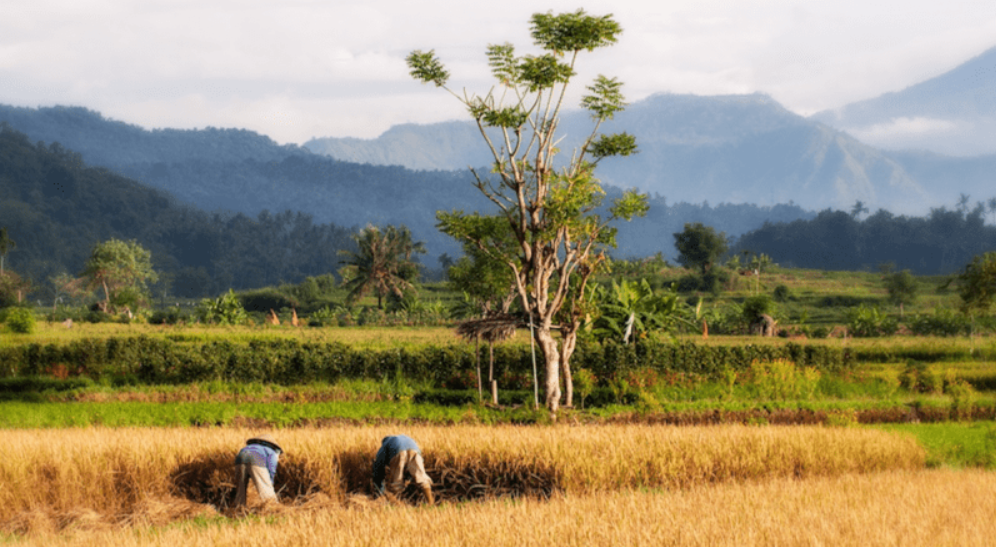
Here’s the part no release schedule can fix. El Niño isn’t simply less rain; it’s a multiplier for land degradation. Prolonged dry conditions and the resulting fire risks leave drained peatlands and farm frontiers primed to burn, and once fires take hold, the damage reaches crops in several ways at once. Haze cuts the sunlight plants need to fill their grain. Fire strips soil of organic matter and pulls down local water tables. Sometimes it simply consumes standing crops before harvest.
None of that is offset by releasing reserves. A reserve is grain grown last season. It doesn’t restore next season’s yield. If fire prevention keeps sitting in the environment ministry’s in-tray, cut off from the people who plan food supply and watch inflation, the state will keep paying for the same emergency every few years, and paying a little more each time.
I don’t want to overstate the case. Fire seasons vary. Peat restoration is slow, expensive and politically messy, and district governments often lack both the budget and the incentive to act before the smoke is visible. Still, the comparison favours prevention. It’s just less photogenic than a truck of subsidised rice arriving at a market.
Stockpiles Behind Closed Borders
The third pressure crosses borders. When a country the size of Indonesia leans hard on domestic procurement and keeps imports shut, it’s acting rationally at home. But if Thailand, Vietnam and others make similar moves at the same moment, the volume of rice available for trade thins out. Net importers bear the cost: the Philippines, and Singapore, which grows almost none of what it eats. That is rice nationalism in practice. Every capital does the sensible thing for itself, and the region ends up worse off. India’s export restrictions in 2023 showed how fast that logic spreads once one big player moves.
Haze adds a diplomatic edge. If this dry season brings serious fires, smoke will drift into Malaysia and Singapore as it did in 2015 and 2019, and the old quarrels over transboundary pollution will return. A crisis that cuts harvests and sours relations with neighbours at once is a test ASEAN’s integration agenda has never convincingly passed.
From Filling Warehouses To Protecting Harvests
Credit where it’s due. Jakarta moved fast, and the extra million tonnes will probably blunt the worst of the price pressure through the year-end holidays. But market operations buy time. They don’t buy immunity.
That points to two shifts. At home, peatland restoration and fire prevention belong in the same planning room as food stocks and inflation control, with budgets to match, rather than on a separate environmental track. Across the region, ASEAN members could get more out of tools they already have, namely the ASEAN Plus Three Emergency Rice Reserve and the ASEAN Agreement on Transboundary Haze Pollution, by publishing stock levels more openly and coordinating fire-season protocols through existing regional frameworks instead of each capital building its own buffer behind closed doors.
Southeast Asia is heading into a long stretch of climate volatility, and the temptation will be to grade food policy by how quickly emergency rice reaches the shelves. The better test is quieter: whether the soil is still productive when the fires would otherwise have started.
https://www.eurasiareview.com/28102026-rice-stocks-burning-peat-and-rethinking-indonesias-el-nino-response-oped/Published Date: October 29, 2026



 READ