Downloads
 Login
 Register

Tags
Rice Husk: Uses, Benefits, Production, Processing and Its Growing Industrial Value
Rice is one of the world’s most important food crops, but its value extends beyond the edible grain. During rice milling, several by-products are generated, including rice husk, which is increasingly attracting attention for its agricultural, energy and industrial applications.
Rice husk, also known as rice hull, is the hard outer covering of paddy that is removed during the milling process. Traditionally considered a low-value agricultural residue, it is now being utilized as a raw material for biomass energy, construction materials, silica production and other industrial applications.
For major rice-producing countries such as Pakistan, India, Bangladesh and Vietnam, rice husk offers an opportunity to generate additional value from the rice processing industry.
What Is Rice Husk?
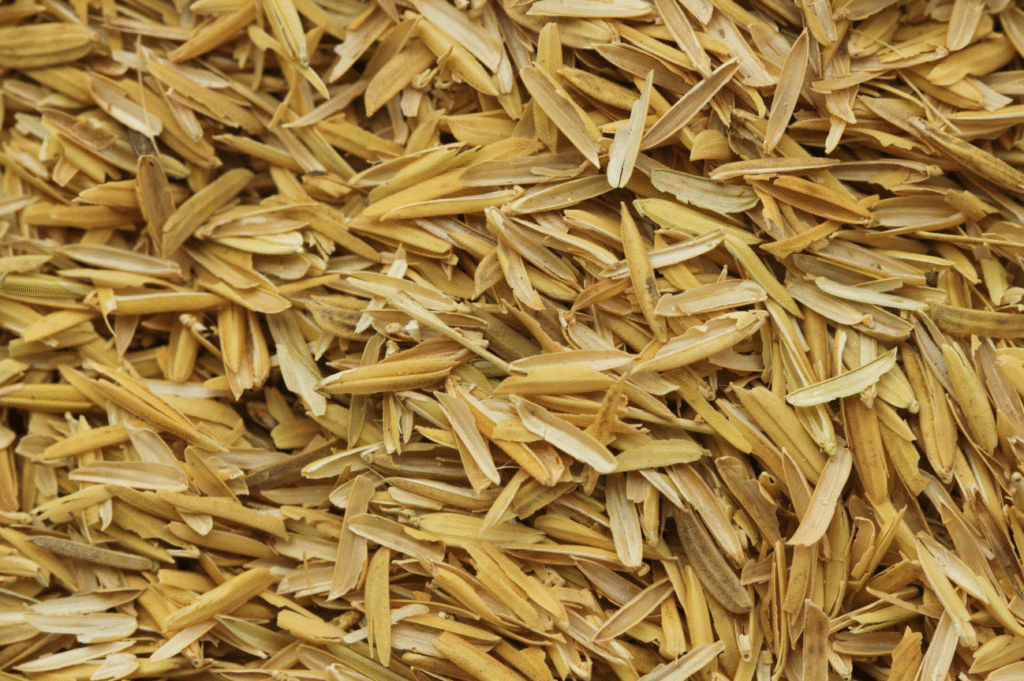
Rice husk is the outer protective covering of an individual rice grain. It surrounds the edible kernel and protects it during the growing process.
During rice milling, paddy passes through a machine called a husker, which separates the outer covering from the grain. The removed husk is collected as a by-product.
Rice husk is lightweight, fibrous and relatively rich in silica. Its composition makes it suitable for several applications, particularly biomass fuel, agricultural materials and industrial manufacturing.
It is important to distinguish rice husk from rice bran. Rice husk is removed during the initial dehusking stage, whereas rice bran comes from the outer layers of the grain during polishing.
How Much Rice Husk Is Produced from Paddy?
Rice husk generally accounts for approximately 20% of the weight of harvested paddy, although the actual proportion varies depending on rice variety and grain characteristics.
For example:
- 1 metric ton of paddy can produce approximately 200 kg of rice husk.
- 5 metric tons of paddy can produce approximately 1 metric ton of rice husk.
- 10,000 metric tons of paddy can generate approximately 2,000 metric tons of rice husk.
This makes rice husk a significant by-product of commercial rice milling. Large rice mills can generate substantial quantities throughout the harvesting and processing seasons.
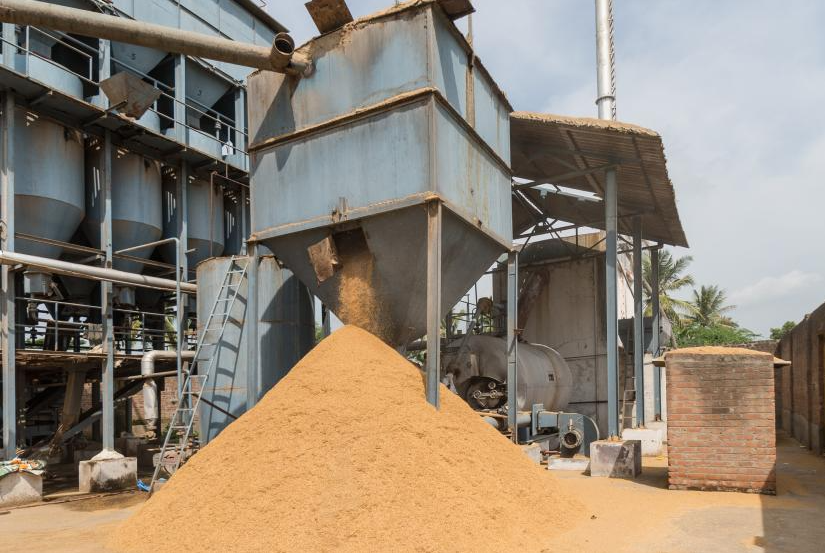
Chemical Composition and Properties of Rice Husk
Rice husk is a natural biomass material containing cellulose, hemicellulose, lignin and silica.
Its composition is important because these components determine its suitability for different industrial applications.
Cellulose and hemicellulose: These organic components contain energy and contribute to the material’s potential as a biomass fuel.
Lignin: This component provides structural strength and contributes to the husk’s physical characteristics.
Silica: One of the most valuable components of rice husk, silica becomes concentrated in rice husk ash after combustion. It is used in various industrial applications.
Rice husk also has a relatively low bulk density, meaning it occupies considerable space compared with its weight. This can increase storage and transportation costs.
Major Uses of Rice Husk Across Different Industries
Rice husk has several established and developing applications. Its growing industrial importance is connected to the demand for renewable energy, alternative raw materials and better utilization of agricultural by-products.
1. Biomass Fuel and Energy Production
One of the most common uses of rice husk is as a biomass fuel.
Rice husk contains combustible organic material that can generate heat when burned in suitable industrial systems. Rice mills can use it to operate boilers, produce steam and support their processing operations.
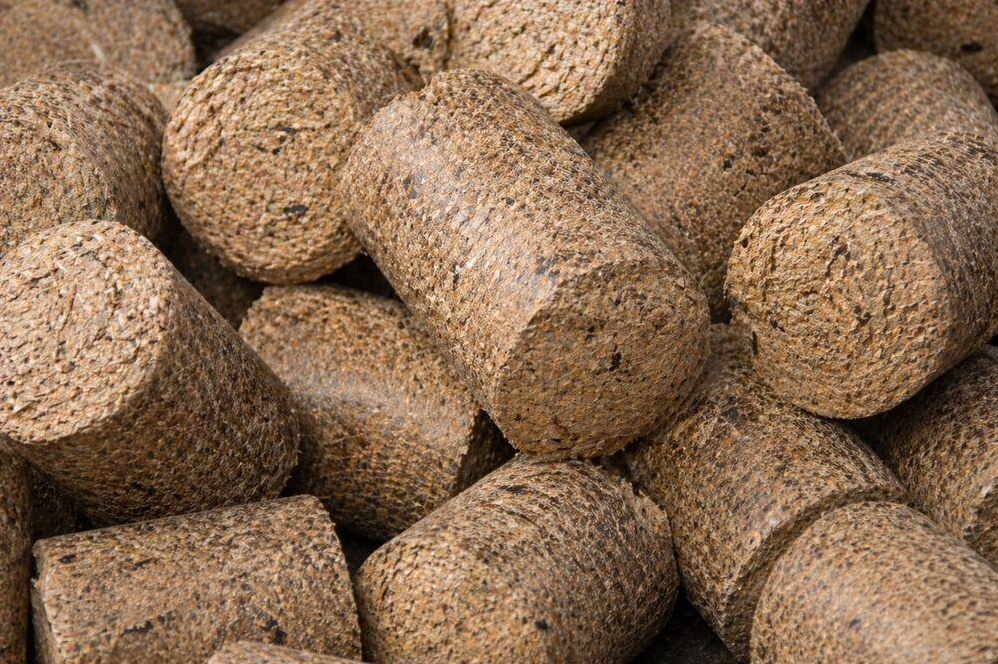
Larger facilities can also use rice husk in dedicated biomass power plants to generate electricity.
However, its relatively high ash content requires suitable combustion equipment and proper ash-management systems.
2. Rice Husk Ash and Silica Production
Rice husk ash is produced when rice husk is burned under controlled conditions. After the organic components are removed, the remaining ash contains a significant concentration of silica.
Silica, chemically known as silicon dioxide (SiO₂), is an important industrial material used in construction, ceramics, glass manufacturing and chemical production.
Rice husk ash can therefore serve as an alternative source of silica, provided it undergoes appropriate processing and quality testing.
3. Construction and Cement Manufacturing
Processed rice husk ash can be used as a supplementary cementitious material in concrete.
Its silica content can contribute to chemical reactions that improve certain concrete properties when the ash is properly prepared and used in suitable proportions.
Potential benefits include reducing conventional cement requirements and improving resistance to certain forms of deterioration.
However, the quality of rice husk ash depends on combustion conditions, particle size and chemical composition.
4. Agricultural and Horticultural Applications
Rice husk is also used in agriculture, particularly in horticulture and nursery production.
Its lightweight and fibrous structure makes it useful as a component of growing media, where it can help improve aeration and drainage.
Other applications include:
- Composting as a carbon-rich material.
- Mulching around plants.
- Soil conditioning.
- Production of rice husk biochar.
The suitability of these applications depends on how the husk is processed and the requirements of the intended use.
5. Animal Bedding
Rice husk is commonly used as bedding material in poultry farms and certain livestock facilities.
Its lightweight structure makes it relatively easy to spread and manage. It can also help absorb moisture when properly stored and maintained.
Its availability in rice-producing regions makes it a practical alternative to some other bedding materials.
6. Particle Boards and Industrial Materials
Rice husk can be incorporated into particle boards, composite panels and other engineered materials.
In these applications, husk particles are combined with suitable binders to manufacture products for furniture, interior panels and certain construction uses.
Researchers are also investigating its potential in activated carbon, filtration materials and advanced silica-based products.
How Is Rice Husk Processed?
The processing method depends on the intended application. Rice husk used as boiler fuel requires different preparation from husk intended for silica production or agricultural use.
Common processing operations include:
Collection: Rice husk is separated during milling and collected through conveyors or air-separation systems.
Drying: Moisture is reduced where necessary to improve storage stability and fuel performance.
Grinding: Some applications require husk to be reduced into smaller particles for easier processing and mixing.
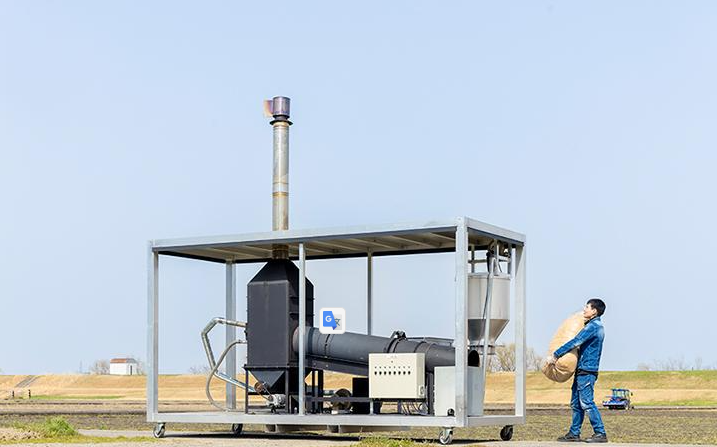
Pelletization and briquetting: Loose husk can be compressed into denser pellets or briquettes, making storage, transportation and handling easier.
Thermal processing: Combustion, gasification and pyrolysis can convert rice husk into energy, ash, gases and biochar, depending on the process used.
The selection of technology depends on the desired final product, investment requirements and availability of suitable equipment.
Rice Husk Industry in Pakistan
Pakistan is an important rice-producing country, with major cultivation and milling activities concentrated in Punjab and Sindh.
The country’s established rice milling industry generates considerable quantities of rice husk, creating opportunities for its use in energy production and industrial manufacturing.
A 2024 report by WealthPK, referring to research associated with Pakistan’s Institute of Engineering and Applied Sciences (PIEAS), cited approximately 9 million tonnes of rice production during 2023–24. Applying an estimated 20% husk recovery rate suggests a potential generation of approximately 1.8 million tonnes of rice husk.
This is an indicative estimate rather than a direct measurement of commercially available husk.
In Pakistan, rice husk is particularly relevant for:
- Biomass energy: Supplying fuel for suitable rice mill boilers and industrial facilities.
- Silica production: Exploring rice husk ash as a raw material for silica-based products.
- Biomass briquettes: Developing densified fuel products for industrial use.
- Agricultural applications: Supplying processed husk and biochar for horticulture and soil management.
- Construction materials: Exploring the use of processed rice husk ash in cement and concrete.
Despite these opportunities, the industry faces challenges such as transportation costs, limited processing infrastructure, inconsistent quality and the investment required for advanced manufacturing.
Developing reliable collection systems, quality standards and access to industrial buyers will be important for expanding the commercial use of rice husk in Pakistan.
Commercial Value of Rice Husk: What Affects Its Price?
Rice husk does not have a single fixed market price. Its commercial value depends on local supply and demand, quality, transportation costs and intended application.
Important factors include:
- Moisture content: Higher moisture can reduce fuel efficiency and increase drying costs.
- Quality: Contamination and inconsistent composition can affect industrial suitability.
- Transportation: Its low bulk density makes transport an important cost factor.
- Processing: Drying, grinding and compression can increase production costs but improve usability.
- Market demand: Demand from biomass facilities and industrial manufacturers influences its commercial value.
Raw rice husk, pellets, briquettes, rice husk ash and processed silica are different products with different markets and pricing structures.
For businesses considering investment, identifying reliable buyers and understanding their quality requirements should come before establishing processing facilities.
Environmental Benefits and Challenges
The utilization of rice husk can support more efficient agricultural resource management.
Instead of treating it solely as a milling residue, rice-producing countries can use it as a raw material for energy production, construction and other industrial applications.
Its use in biomass energy can also help diversify industrial fuel sources.
However, rice husk utilization is not automatically pollution-free. Uncontrolled burning can release particulate matter, while improper ash disposal can create environmental problems.
Suitable combustion technology, emissions controls and responsible waste management are essential for achieving environmental benefits.
Future Outlook: The Growing Industrial Potential of Rice Husk
The future of rice husk utilization is closely linked to renewable energy, industrial innovation and the development of more efficient agricultural supply chains.
Demand for biomass fuels, alternative construction materials and silica-based products could create additional opportunities for rice-producing countries.
For Pakistan, the opportunity lies in developing better ways to collect, process and commercially utilize the by-products generated by its established rice milling industry.
With appropriate investment, technology and quality standards, rice husk could become a more valuable component of the agricultural and industrial economy.
Frequently Asked Questions About Rice Husk
1. What is rice husk?
Rice husk is the hard outer protective covering of paddy rice, removed during the dehusking stage of rice milling.
2. How much rice husk is produced from one tonne of paddy?
Approximately 200 kg of rice husk can be obtained from one metric tonne of paddy, assuming a 20% recovery rate.
3. What are the main uses of rice husk?
Its major applications include biomass fuel, electricity generation, rice husk ash production, silica extraction, construction materials, animal bedding and horticulture.
4. What is rice husk ash used for?
Rice husk ash is used as a source of silica and in applications such as cement, concrete, ceramics and other industrial materials.
5. Is rice husk used for electricity generation?
Yes. Suitable biomass power plants can burn rice husk to generate heat and steam, which can drive turbines to produce electricity.
6. Does Pakistan produce rice husk?
Yes. Pakistan’s rice milling industry generates substantial quantities of rice husk, particularly in Punjab and Sindh, where rice production and processing are concentrated.
7. Is rice husk commercially valuable?
Yes. It can be sold as raw biomass or processed into pellets, briquettes, ash and other industrial materials. Its profitability depends on local demand, quality and processing costs.
Conclusion
Rice husk is more than a by-product of rice milling. Its potential applications in renewable energy, agriculture, construction and industrial manufacturing make it an increasingly valuable resource.
For rice-producing countries such as Pakistan, better utilization of rice husk can create additional commercial opportunities while supporting more efficient management of agricultural residues.
As industries continue exploring alternative raw materials and renewable resources, rice husk is likely to remain an important part of the evolving rice industry.
Published Date: November 6, 2026


 READ