Downloads
 Login
Login
 Register


Tags
Philippines may cap monthly rice imports at 200,000 metric tons
By Dexter Barro II
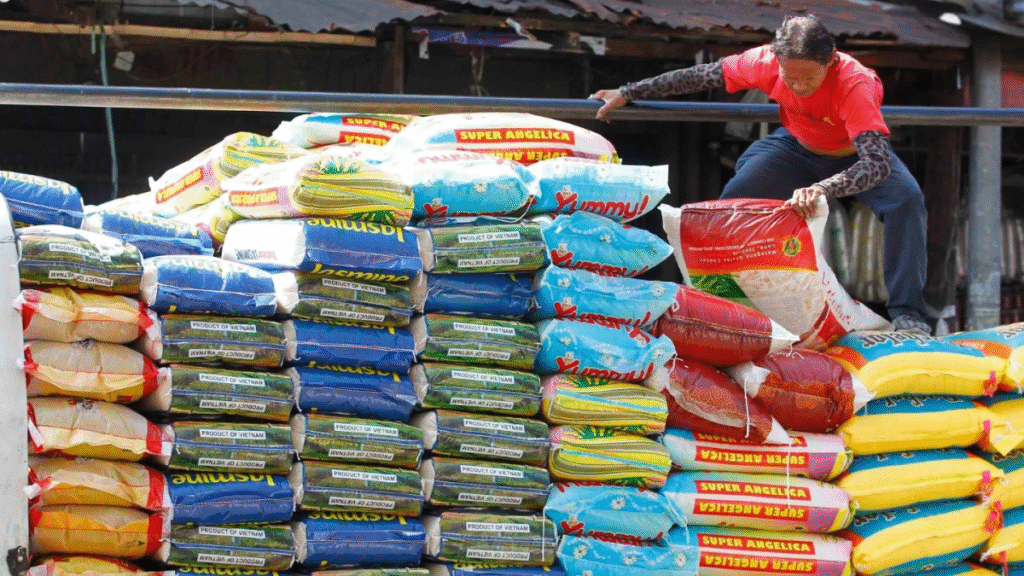
The Department of Agriculture (DA) is evaluating a restriction on monthly rice import volumes of up to 200,000 metric tons (MT) from June to October to ensure adequate domestic supply without collapsing farmgate prices.
Agriculture Secretary Francisco Tiu Laurel Jr. told Manila Bulletin that the DA is considering limiting rice imports during the five-month period to between 150,000 MT and 200,000 MT, well below the average monthly shipments of around 435,000 MT in the first quarter.
The DA is looking to restrict rice imports entering the country to help stabilize farmgate prices of palay, especially with the upcoming wet season harvest.
As the main harvest season nears completion, prices of palay or unmilled rice have dropped to as low as ₱16 per kilo in major rice-producing provinces such as Nueva Ecija and Isabela.
The DA is targeting a farmgate price of ₱22 per kilo for the wet season harvest from September to November, which it sees as a “crucial recovery window” for farmers.
Limiting the entry of imported milled rice, which tends to be cheaper than locally produced rice, would help farmers remain competitive while ensuring that domestic supply remains sufficient.
Low farmgate prices of palay have discouraged farmers from planting, which could worsen the country’s food security at a time when rising fertilizer costs and El Niño risks are already affecting planting intentions.
Last year, the DA suspended rice importation from September to December, which helped improve farmgate prices.
When the country resumed importation this year, the DA secured commitments from local importers to help limit the entry of foreign rice and prevent further declines in palay prices.
However, the country’s rice imports in the first quarter already reached 1.26 million MT, based on data from the Bureau of Plant Industry. This is roughly 500,000 MT higher than the agency’s request to limit shipments to around 750,000 MT.
To ensure that its planned monthly rice import cap is strictly followed by industry players, Tiu Laurel said the DA will leverage the proposed Rice Industry and Consumer Empowerment (RICE) Act in its implementation.
The RICE Act aims to amend the Rice Tariffication Law (RTL), which opened the domestic market to the entry of rice imports. At present, the legislative measure remains pending in Congress.
“They’re a bit busy with other things, but it’s a priority,” Tiu Laurel said in a Whatsapp message when asked about when the bill could be approved by Congress.
In addition, Tiu Laurel said the government is exploring other policy options, such as blending local and imported rice, to help stabilize retail prices while still prioritizing domestic output.
Stakeholders have been invited to propose blending ratios that will favor locally produced rice.
Meanwhile, negotiations with source countries for longer-term rice supply contracts are already underway as the government moves to build a more robust rice buffer.
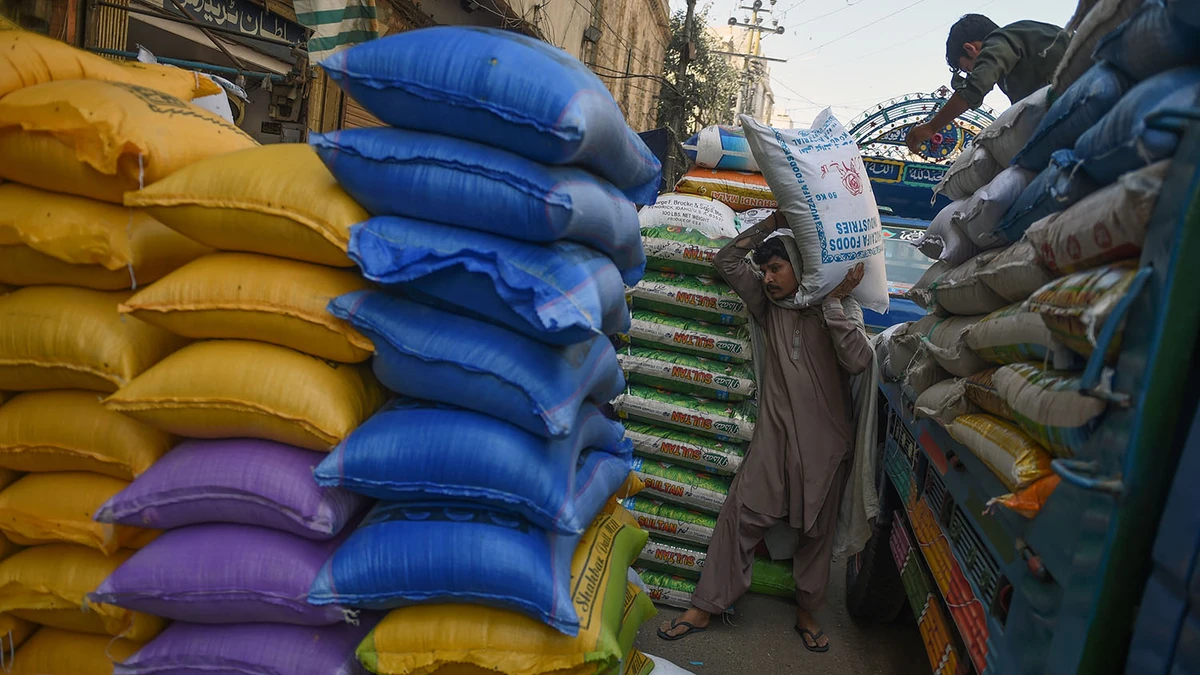
Tiu Laurel earlier told Manila Bulletin that the country is planning to bring in more milled rice from Vietnam, Myanmar, Cambodia, India, and Pakistan within the year.
https://mb.com.ph/2026/05/04/bcda-taps-uae-based-firm-for-high-tech-energy-infraPublished Date: May 5, 2026


 READ
READ