Downloads
 Login
Login
 Register

Tags
‘Rice diplomacy can turn Pakistan-China ties into strong economic bonds’
By Munawar Hasan
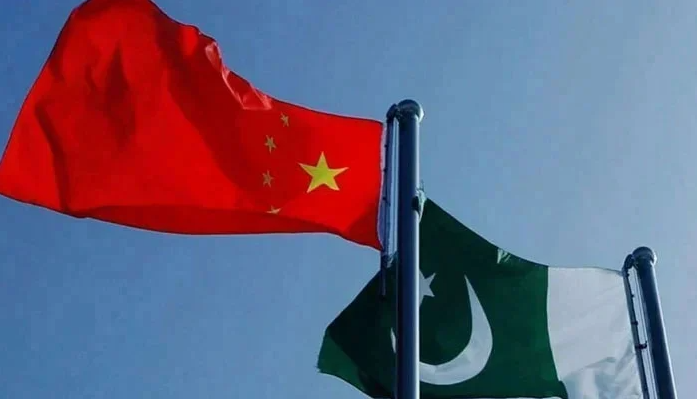
LAHORE: Prime Minister Shehbaz Sharif’s four-day visit to China from May 23, following high-profile visits by the US and Russian presidents, offers Pakistan an opportunity to translate diplomatic goodwill into economic gains.
With hybrid rice emerging as one of the most practical levers for augmenting trade ties, experts believe Pakistan can capitalise on recent huge success in adoption of high-yielding Chinese hybrid rice in the country.
Both Pakistan and China have long described their relationship as “higher than mountains and deeper than oceans.” Yet the contemporary global landscape demands a shift from symbolic warmth to concrete trade outcomes, particularly in the agriculture and food sectors.
China is the world’s largest food import market, but Pakistan’s share remains negligible, making this high-level visit a prime moment to position Pakistan as a strategic food basket.
According to Shahzad Ali Malik, CEO of Guard Agricultural Research and Services (Pvt) Ltd, the core of Pakistan’s advantage lies in a favourable misalignment in the regional grain trade. He stressed the need to enhance rice exports through concerted efforts, noting that current trade levels are lower than what Pakistan achieved in recent years. In 2023, China imported $1.4 billion worth of rice, yet Pakistan’s share was only $80.5 million.
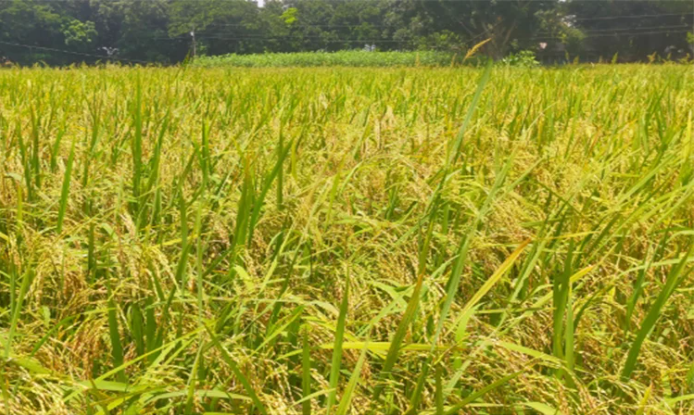
Malik said that a major opportunity exists because hybrid rice has been a preferred staple for Chinese consumers, accounting for nearly 70 per cent of all rice produced and consumed in China. Coincidentally, over 60 per cent of Pakistan’s non-basmati rice is already grown using high-yielding Chinese hybrid seed technology.
This overlap creates a unique branding proposition, said Malik, who is also former chairperson of the Rice Exporters Association of Pakistan (REAP). He argues that Pakistan can market its crop differently from regional competitors. “While Thailand, Vietnam, Cambodia and Myanmar export conventional rice varieties to China, Pakistan can uniquely brand its crop as actual Chinese hybrid rice grown in Pakistani soil,” he said. Because these varieties derive directly from Chinese genetic stock, they perfectly match the texture, aroma, and cooking qualities required for daily Chinese cuisine and traditional diets.
Realising this potential requires moving beyond declarations to market-driven mechanisms. Malik advocates establishing a dedicated China desk under the Trade Development Authority of Pakistan (TDAP) for specialized trade facilitation. He also calls for inviting direct Chinese investment into advanced local testing laboratories and cold storage infrastructure, alongside launching joint branding initiatives on prominent Chinese e-commerce platforms.
To achieve a breakthrough during the visit, both sides must agree on concrete trade protocols that address technical and systemic bottlenecks. Malik stresses the need to secure binding bilateral agreements rather than standard diplomatic statements. A realistic milestone would be consensus on a rice export protocol that streamlines phytosanitary standards, establishes mutual recognition of milling facility certifications, and institutes a direct yuan-based settlement mechanism to bypass international banking hurdles.
Furthermore, Pakistan should pitch its capabilities directly to China’s state-owned enterprises, particularly COFCO, the country’s largest food and agriculture conglomerate. By mobilising Pakistani Trade and Investment Officers in Beijing and Shanghai, TDAP and REAP can coordinate targeted buyer delegations to secure long-term, preferential procurement contracts.
Malik concluded that aggressively promoting this shared genetic lineage can transform a diplomatic alliance into a multi-billion-dollar trade reality, securing a prosperous future for Pakistani farmers.
https://www.thenews.pk/print/1416488-rice-diplomacy-can-turn-pakistan-china-ties-into-strong-economic-bondsPublished Date: May 21, 2026


 READ
READ