Downloads
 Login
Login
 Register


Tags
N40,000 rice bag illusion: Why local harvests aren’t dropping market prices yet
Ismaila Biliaminu Manne
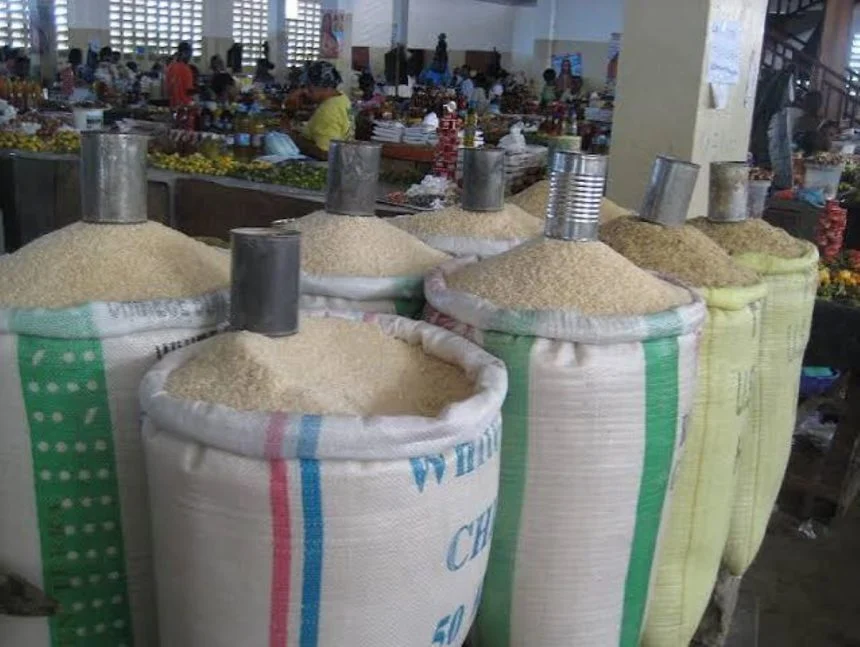
About a year ago, reports suggesting that a 50kg bag of rice could soon sell for around N40,000 sparked optimism across Nigeria. Consumers expected local harvests to flood the market, increase supply, and finally ease the burden of rising food costs.
Yet, for many households, that expectation has remained just that, an expectation. In most markets, rice prices are still far above what many families can comfortably afford.
The disconnect highlights a broader issue affecting local rice prices and Nigeria food inflation. Harvest volumes alone do not determine what consumers eventually pay. From farm to market stall, several factors continue to push prices upward despite improved local production.
A good harvest doesn’t automatically mean cheap rice
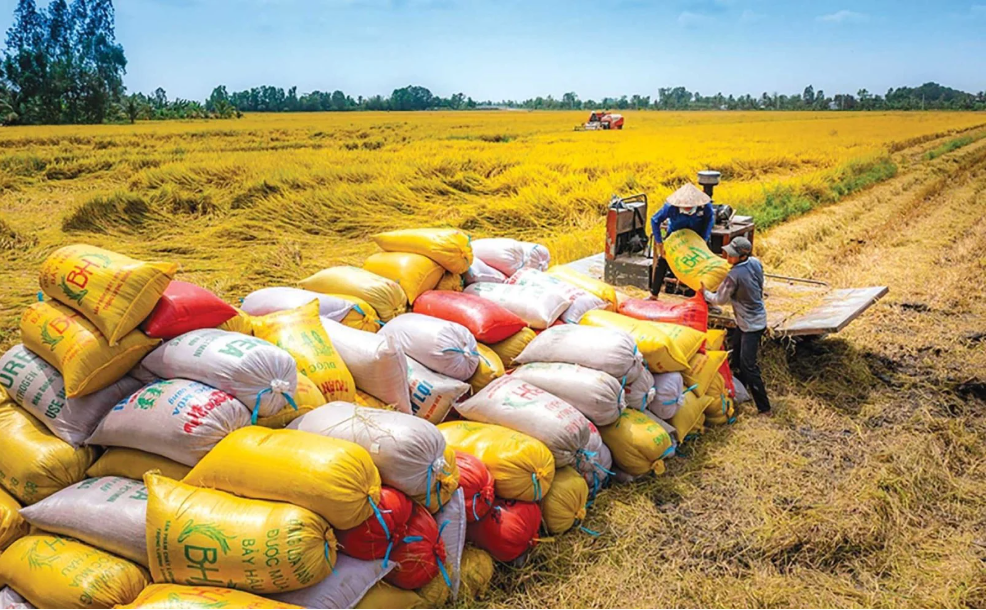
Rice production has expanded in several states over the past few years, supported by government programmes, private investments, and increased participation by local farmers. However, harvesting more paddy rice is only the beginning of a much longer supply chain.
Before rice reaches consumers, it must be transported, milled, cleaned, bagged, stored, and distributed across the country. Every stage adds costs that eventually appear on the final price tag.
The Food and Agriculture Organization (FAO) notes that food prices are influenced not only by production volumes but also by transportation, storage, processing, input costs, market access, and broader supply chain efficiency. These factors often determine whether increased agricultural output translates into lower consumer prices.
The FAO’s monitoring of Nigeria’s food systems also highlights the importance of improving post-harvest handling and market linkages to strengthen food security and price stability.
Transport costs continue to weigh on the market
One of the biggest obstacles to lower rice prices remains transportation.
Diesel powers the trucks that move paddy rice from farms to mills and then transport processed rice to wholesalers and retailers nationwide. Although fuel prices have experienced periods of moderation, transport costs remain significantly higher than they were just a few years ago.
Poor road conditions, multiple loading points, vehicle maintenance expenses, and security concerns on some transport routes also increase logistics costs. These expenses are eventually transferred to consumers.
Milling and processing expenses have increased
Modern rice processing requires reliable electricity, machinery maintenance, skilled labour, and quality packaging.
Many millers continue to depend on diesel-powered generators because electricity supply remains inconsistent. Rising production costs mean that processors cannot simply reduce selling prices because harvests improve.
Packaging materials have also become more expensive due to inflation and exchange rate pressures affecting imported industrial inputs.
Food inflation still driving prices
Nigeria’s food inflation has remained one of the strongest influences on household food spending.
Even when agricultural output improves, inflation raises the prices of labour, fertilisers, farm chemicals, transportation, storage facilities, and retail operations. As businesses spend more to operate, retail food prices adjust accordingly.
This explains why consumers may hear positive news about bumper harvests while market prices remain stubbornly high.
Seasonal supply doesn’t immediately reach every market
Another reason the expected N40,000 rice bag has remained elusive is distribution.
Harvests occur in phases across different producing states, while demand exists throughout the country every day. Supply takes time to move through warehouses, processing centres, wholesale markets, and neighbourhood retailers.
Weather conditions, storage capacity, and post-harvest losses can further slow the movement of grain into major urban markets, reducing the immediate impact of increased production.
What needs to change?
Lower rice prices require more than successful farming seasons. Nigeria also needs efficient transport networks, affordable energy for processors, better storage infrastructure, reduced post-harvest losses, and stronger agricultural value chains.
The FAO often emphasises investments in resilient food systems, improved logistics, and efficient market access as critical components for making nutritious food more available and affordable while strengthening national food security.
The conversation around local rice prices Nigeria food inflation goes far beyond harvest figures. Increased local production is encouraging, but production alone cannot offset rising logistics, processing, and distribution costs.
For consumers hoping to see N40,000 bags of rice become the new normal, patience may still be required. Sustainable price reductions will depend not only on abundant harvests but also on building a more efficient agricultural supply chain that moves rice from farms to dining tables at a lower overall cost.
https://tribuneonlineng.com/n40000-rice-bag-illusion-why-local-harvests-arent-dropping-market-prices-yet/Published Date: July 22, 2026


 READ
READ