Downloads
 Login
Login
 Register

Tags
Malaysia to import additional 70,000 tonnes of Pakistani rice, sources say
Pakistan steps up talks with Malaysian authorities on rice, halal meat and wider agricultural market access.
Shahzad Paracha
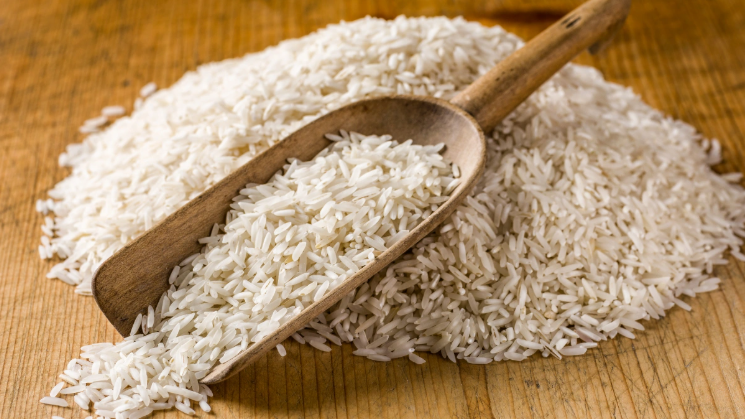
ISLAMABAD: Pakistan’s efforts to expand agricultural exports to Malaysia have gained momentum, with Malaysia importing an additional 70,000 tonnes of rice ahead of the arrival of Pakistan’s new crop, according to sources familiar with the latest trade developments.
The development comes as a high-level Pakistani delegation of senior officials from the Ministries of National Food Security and Research and Commerce held talks with Malaysia’s key agriculture, rice and halal authorities, including BERNAS and JAKIM, along with representatives of the Rice Exporters Association of Pakistan (REAP) during visit to Kuala Lumpur.
Sources told that the discussions focused on increasing Pakistani rice exports and expanding market access for halal meat and other agricultural products.
The latest engagement follows an understanding reached at the leadership level between Pakistan and Malaysia, with Prime Minister Shehbaz Sharif repeatedly emphasizing the need to increase bilateral trade and expand Pakistan’s agricultural exports.
Malaysia’s renewed demand for Pakistani rice
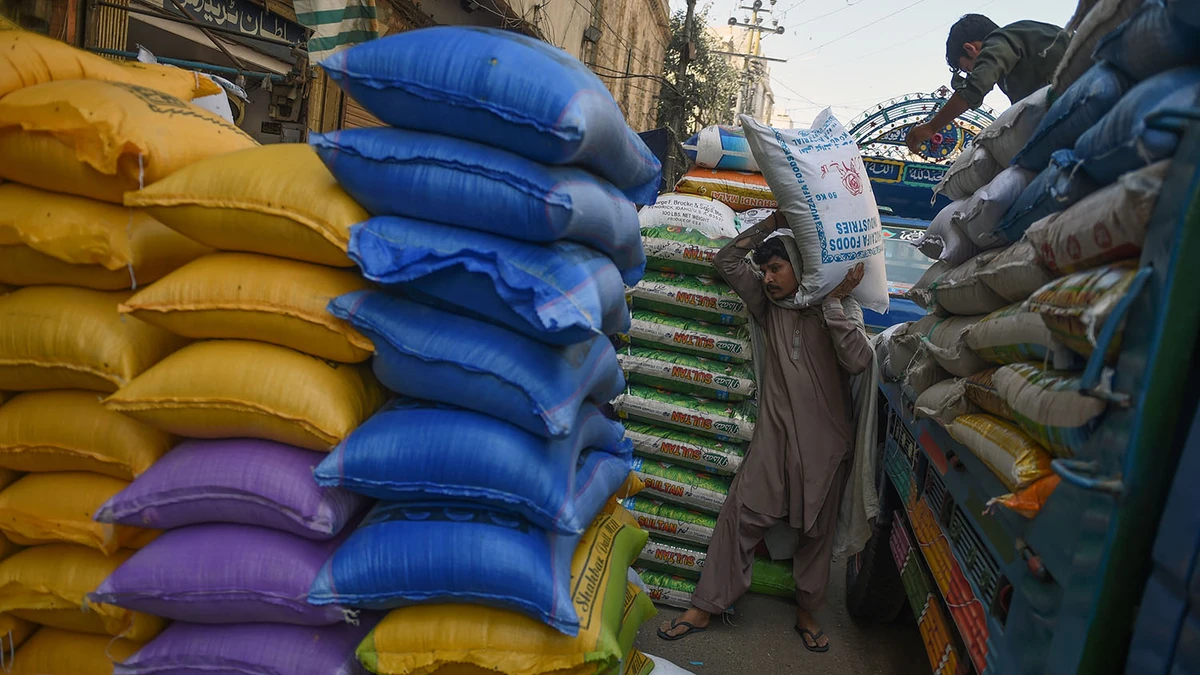
Rice has emerged as the most immediate opportunity in Pakistan’s agricultural trade with Malaysia.
According to sources, Malaysia’s additional purchase of 70,000 tonnes ahead of Pakistan’s new harvest reflects renewed demand for Pakistani rice and could help exporters recover some of the market share lost during the previous year.
Pakistan’s rice exports to Malaysia had declined over the past year, prompting the government and exporters to step up engagement with Malaysian authorities and importers to restore and expand market access.
International trade data also highlight the importance of Malaysia as a destination for Pakistani rice.
According to World Bank and UN Comtrade data, Malaysia imported around 1.695 million tonnes of rice worth $1.098 billion in 2024. Pakistan supplied 382,051 tonnes valued at $235.4 million, making it one of Malaysia’s major rice suppliers.
Pakistan exported a total of 6.56 million tonnes of rice worth $4.19 billion to international markets in 2024, with Malaysia among its leading destinations.
The additional 70,000-tonne purchase could therefore provide a boost to Pakistani rice exporters as the new crop enters the market.
BERNAS talks focus on stable supplies
The talks with BERNAS were particularly important because of the agency’s central role in Malaysia’s rice supply chain.
Pakistani officials and exporters are seeking to build more predictable and long-term supply arrangements with Malaysian buyers rather than relying solely on individual transactions.
A stronger and more consistent presence in the Malaysian market could help Pakistani exporters increase sales while providing Malaysian buyers with a reliable source of rice.
Halal meat emerges as next major opportunity
While rice remains the immediate focus, halal meat has emerged as another major opportunity for Pakistani agricultural exporters.
During Prime Minister Shehbaz Sharif’s official visit to Malaysia in October 2025, Malaysian Prime Minister Anwar Ibrahim announced that Malaysia would examine the import of Pakistani halal meat worth up to $200 million.
Pakistan subsequently prepared a plan to increase meat exports to Malaysia.
The latest engagement with JAKIM is significant because halal certification is a key requirement for Pakistani meat and other halal products to enter the Malaysian market.
Pakistan and Malaysia have been working on cooperation between JAKIM and the Pakistan Halal Authority, including the exchange of technical information, regulatory practices and expertise.
The objective is to help Pakistani exporters meet Malaysian halal standards while making the certification process more efficient.
Pakistan’s meat-export plan includes measures related to disease control, halal certification, processing facilities, cold-chain infrastructure and logistics.
The government wants to establish a reliable supply chain capable of meeting Malaysia’s quality, food-safety and halal requirements on a consistent basis.
Agricultural trade already substantial
The renewed push comes as agricultural trade between Pakistan and Malaysia is already significant.
Malaysia’s Ministry of Agriculture and Food Security reported that agricultural trade between the two countries reached RM4.40 billion by December 2025.
Malaysia exports palm oil, animal feed, coffee, cocoa, tea and spices to Pakistan, while Pakistani exports to Malaysia include rice, cereals and cereal-based products, fish and seafood, and fertilizers.
The existing trade relationship provides a base for further expansion, particularly in food and agricultural products.
Pakistani officials are now seeking to diversify exports and increase the country’s share of Malaysia’s growing food and halal markets.
MIHAS opens wider market opportunities
The Pakistani delegation’s visit coincided with Pakistan’s participation in the 22nd Malaysia International Halal Showcase (MIHAS) 2026, being held in Kuala Lumpur from September 23 to 26.
MIHAS is a major international platform for halal products and services, bringing together exporters, buyers, government agencies and industry representatives from various markets.
The official MIHAS 2026 platform lists 2,400 exhibition booths, 4,000 business meetings and 50,340 trade visitors.
Pakistan’s participation provided an opportunity to promote rice, meat and a wider range of agricultural and halal products to Malaysian and international buyers.
During the visit, Pakistani officials also discussed expanding cooperation beyond rice and meat, including opportunities in poultry, ruminant products and halal gelatin, according to sources.
Further engagement planned in November
Pakistan and Malaysia are also planning another round of engagement in November, according to sources.
The proposed meeting is expected to focus on rice and meat while also advancing discussions on halal certification, agricultural market access and regulatory requirements.
For Pakistan, the key challenge will be to turn the reported increase in Malaysian rice purchases into sustained market growth rather than a one-off transaction.
https://profit.pakistantoday.com.pk/2026/09/27/malaysia-to-import-additional-70000-tonnes-of-pakistani-rice-sources-sayPublished Date: September 27, 2026


 READ
READ