Downloads
 Login
Login
 Register

Tags
India’s rice-for-ethanol fraud reignites debate on hunger
An alleged fraud estimated at 11.6 billion rupees has been uncovered in Madhya Pradesh, linked to a government programme that encourages the production of ethanol to blend with petrol. But the case also reopens the debate on the appropriateness of using grains for biofuels while millions of Indians depend on food aid.
By Nirmala Carvalho
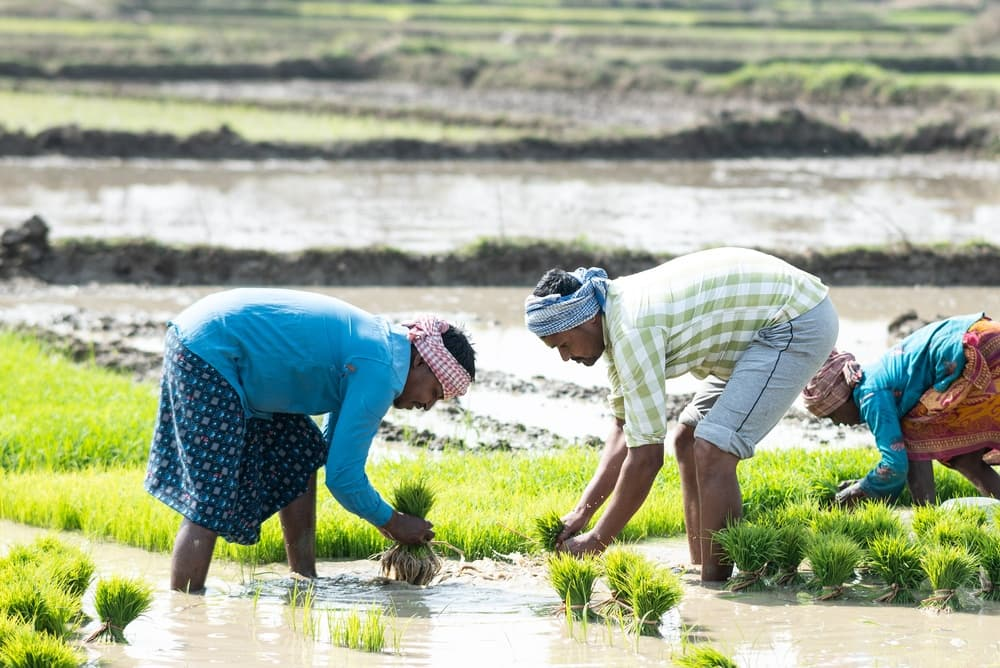
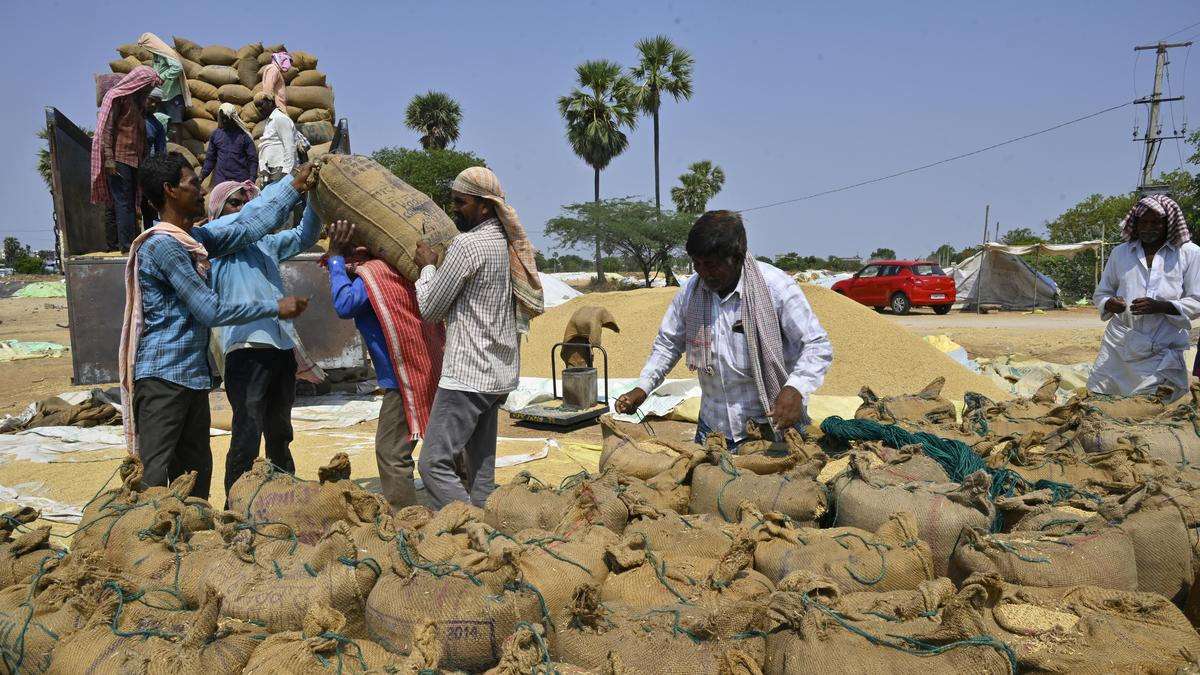
New Delhi (AsiaNews) – An investigation in the Indian state of Madhya Pradesh has uncovered an alleged case of fraud worth 11.6 billion rupees (US$ 120 million) linked to government programmes funding the production of rice-based biofuels.
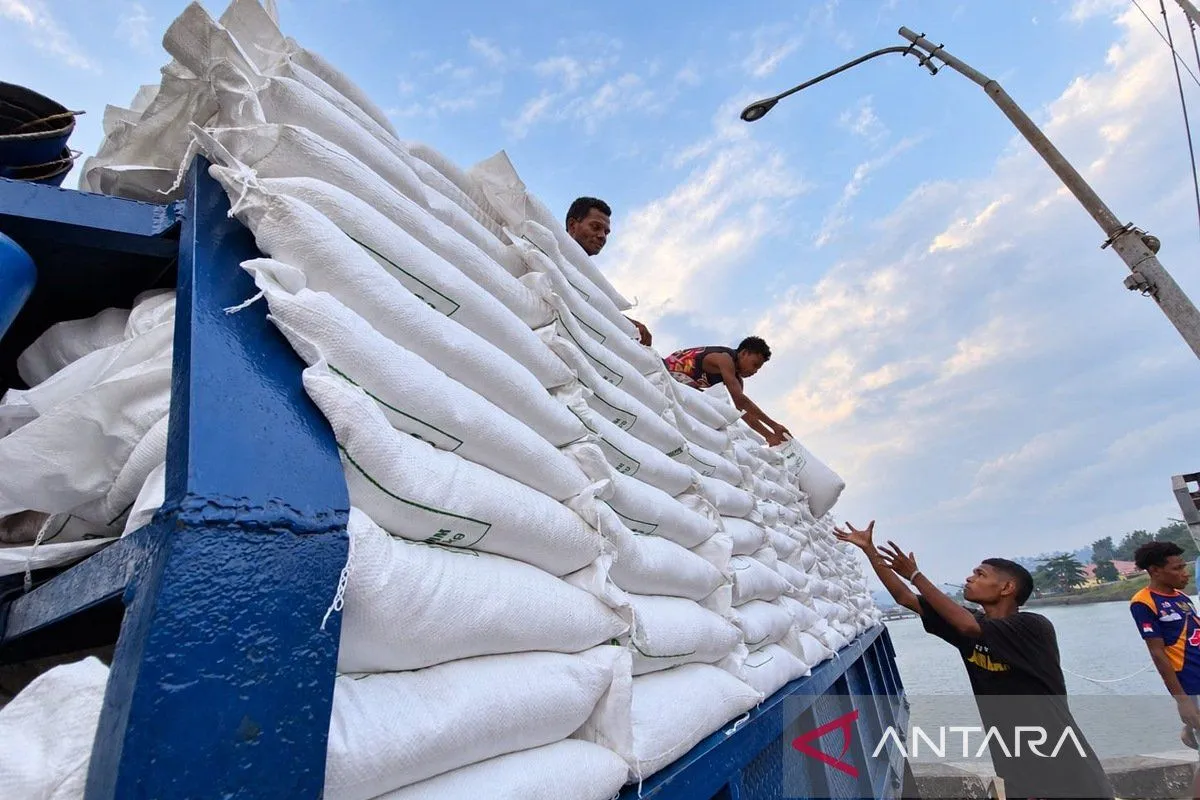
According to a Special Investigation Team (SIT), dozens of companies allegedly took advantage of the central government’s incentive system to obtain lower-priced rice to produce ethanol. Then, instead of using it for biofuels, they resold it on the private market.
The Indian government, through the Food Corporation of India (FCI), makes surplus grains available to ethanol manufacturers at subsidised prices to meet ethanol-blending targets, thus reducing oil imports.
Companies bought fortified rice – worth about 4,000 rupees per 100 kilos (quintal) on the market – for about 2,320 rupees thanks to government subsidies. But instead of processing it into ethanol, it was allegedly sold to private rice mills for about 2,800 rupees per 100 kilos, guaranteeing an immediate profit.
At the same time, however, to comply with production contracts, manufacturers allegedly purchased broken rice, which is far cheaper, and used it to make ethanol.
The rice resold to private companies was then reintroduced into the government procurement channels. This way, the same stock was able to generate repeated profits, a process in which up to five million quintals of grains may have been resold.
So far, several suspects have been arrested, lorries used to transport rice have been seized, and investigations have been launched into the involvement of companies, transporters, rice mill owners, and public officials.
The case has also rekindled public debate over the government’s decision to allocate part of the food reserves to fuel production. Father Irudhaya Jothi, a Jesuit scholar and advocate of the right to food for all, believes the problem goes far beyond illegal resale.
“It is a shocking and worrying situation,” he said. “When we know that millions of people are hungry, it is deeply troubling to hear that rice, which could feed them, is instead being used to produce ethanol,” he told AsiaNews
Despite increasing agricultural production, India continues to experience high levels of malnutrition. In the latest Global Hunger Index, the country ranks 105th out of 127, and numerous reports continue to point to child malnutrition and starvation in the poorest areas.
According to Father Jothi, the Public Distribution System (PDS) remains indispensable for a large portion of the population.
In fact, “Nearly 80 per cent of India’s population depends, directly or indirectly, on the Public Distribution System. If it were stopped today, millions would face hunger,” especially at a time of “rising unemployment and increasing economic hardship”.
The government maintains that using surplus grain does not compromise national food security, thanks to stocks accumulated in warehouses. For the Jesuit clergyman, however, the issue is not just about food availability, but its distribution.
“It is true that India has buffer stocks and reserve production. However, food is not distributed proportionately. The government’s priority should be to ensure that those who lack food and suffer from hunger receive it first,” he explained.
In his view, only when basic needs are met can using surpluses be discussed. A similar debate had already emerged during the COVID-19 pandemic when part of the ethanol production was allocated to the manufacture of disinfectants.
All said, “using rice to fuel vehicles instead of feeding people is, in my view, a criminal activity”, Father Jothi noted.
“India is a multi-religious country, and every religious tradition recognises the sacred relationship between faith, food, charity and human dignity,” he explained, highlighting the importance food plays in all religions of India.
Indeed, he added that, “From the perspective of any religion, allowing food to be diverted while people remain hungry is immoral. I would call it criminal, and, in religious terms, it is a sin.”
https://www.asianews.it/en/south-asia/india/india-s-rice-for-ethanol-fraud-reignites-debate-on-hungerPublished Date: July 14, 2026


 READ
READ