Downloads
 Login
Login
 Register


Tags
Indian rice exports hit by rising freight, insurance costs amid Middle East tensions
Rising shipping costs slow down new rice export deals as regional conflict affects maritime routes.
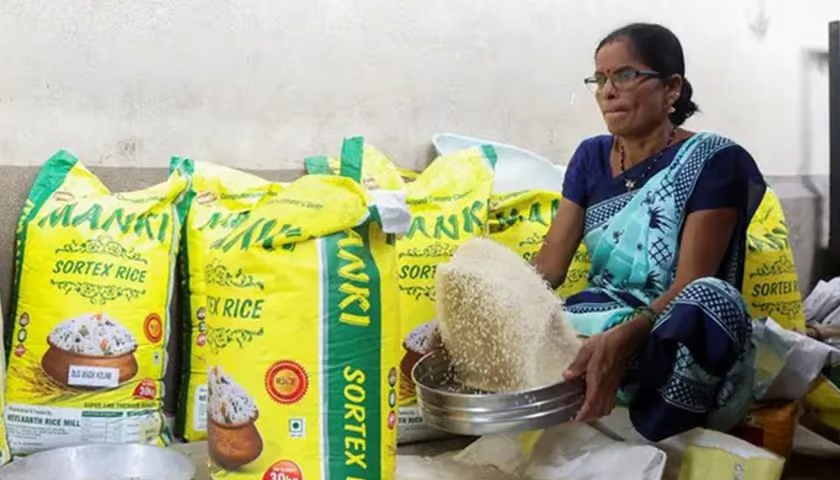
INDIA – India, the world’s largest rice exporter, is facing delays in new shipments as war in the Middle East drives up freight and insurance rates.
Rice exporters in India report difficulty securing vessels due to the U.S.-Israeli conflict with Iran, which has increased shipping insurance and freight rates. India supplies over 40 percent of global rice exports and usually ships more than Thailand, Vietnam, and Pakistan combined.
“Freight rates are rising every day. Shippers are adding war surcharges and emergency fuel charges, making imports increasingly expensive for buyers,” said Nitin Gupta, senior vice president at Olam Agri India.
Maritime traffic through the narrow Strait of Hormuz, which handles 20 percent of the world’s oil shipments, has largely stopped for over a week. This disruption has pushed up global energy costs, including bunker fuel prices, adding further pressure on shipping.
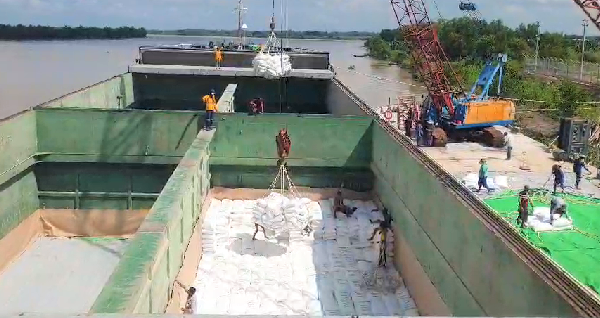
Non-basmati rice exporters are fulfilling older contracts, and vessels already berthed are being loaded without issue. However, arranging logistics for new deals has become difficult.
“Importing countries have ample stocks, with shipments still in transit. Buyers are waiting for the situation to settle before signing new contracts,” said Himanshu Agrawal, executive director at Satyam Balajee.
India mainly exports non-basmati rice to Bangladesh, Benin, Ivory Coast, Guinea, and Cameroon. Premium basmati rice goes to Saudi Arabia, Iraq, Iran, and the United Arab Emirates. Shipments to Middle Eastern markets, including Iran, Iraq, Qatar, and Saudi Arabia, have been halted due to the effective blockade of the Strait of Hormuz.
“Sellers do not know when vessels will be unloaded or when they will receive payment,” said a New Delhi-based exporter.
India’s rice production reached record levels this year. Mukesh Jain, an exporter, said the country has enough rice to meet export demand. The rupee’s depreciation, which lowers costs in USD terms, offers some advantage, but exporters remain cautious. Logistical challenges continue to delay the signing of new contracts.
“Even with sufficient production, the bottlenecks in shipping make it hard to secure new orders,” Jain added.
The Ministry of Commerce noted it is monitoring freight rates closely and is considering temporary measures to help exporters access alternative shipping routes.
https://millingmea.com/indian-rice-exports-hit-by-rising-freight-insurance-costs-amid-middle-east-tensions/Published Date: March 19, 2026



 READ
READ