Downloads
 Login
Login
 Register

Tags
Empowering next-gen scientists to create enduring impact in rice research and development
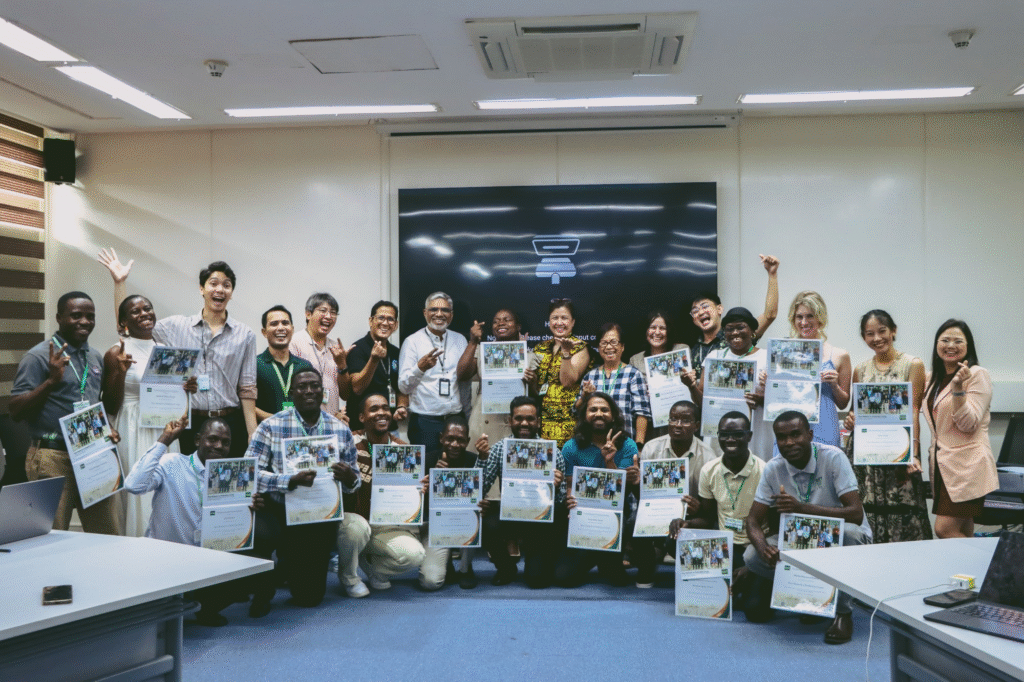
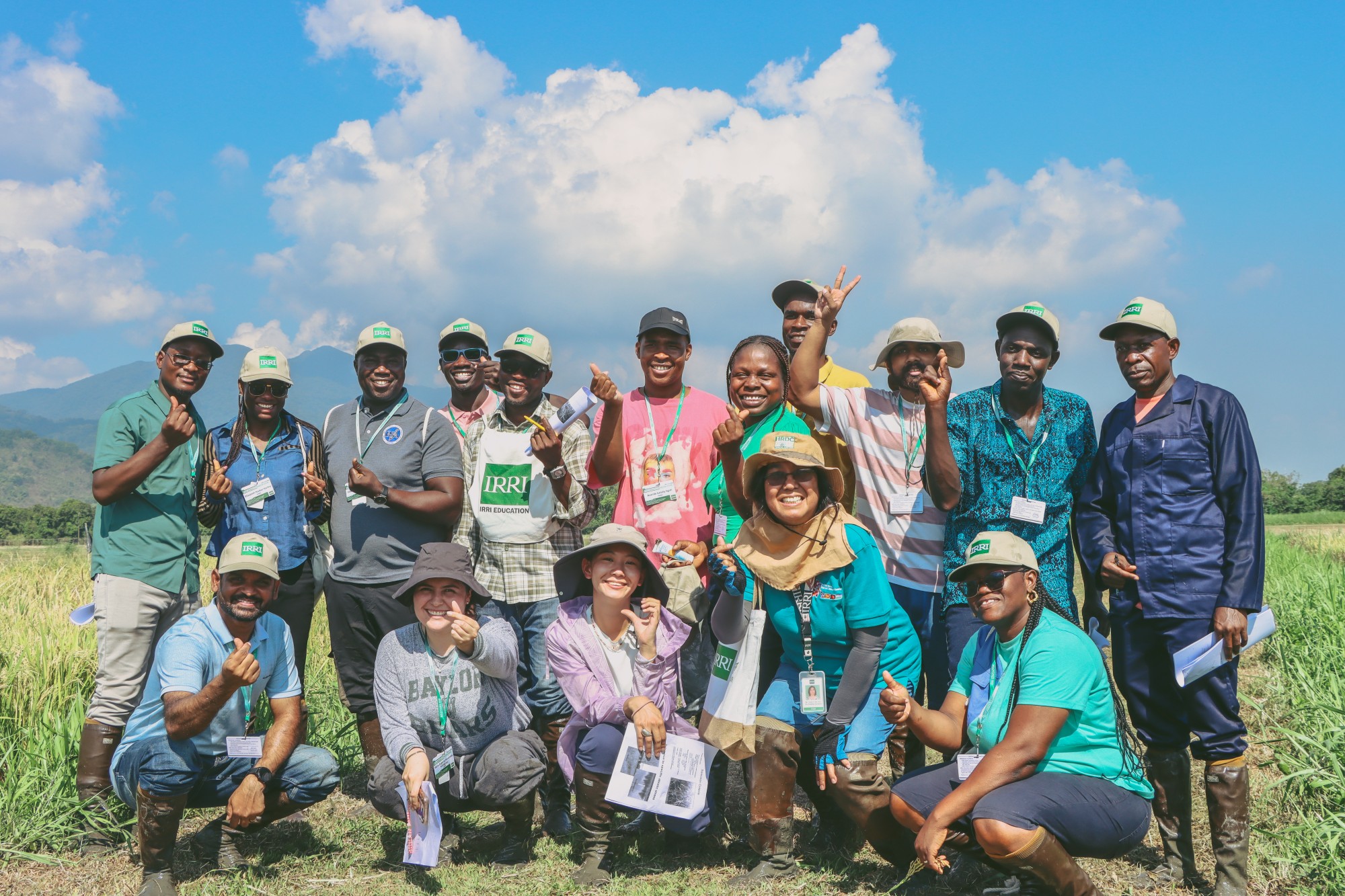
Los Baños, Laguna, Philippines—IRRI’s three-week flagship course, Rice: Research to Production (RR2P) brought together 16 researchers, graduate students, and agricultural professionals from Asia, Africa, North America, and Latin America for an immersive learning experience. Now in its 19th year, RR2P remains one of IRRI’s longstanding flagship capacity development initiatives, designed to strengthen global partnerships and advance IRRI’s vision of transforming rice-based systems for a better world.
In his opening message, Dr. Jerry Glover, IRRI Chief of Staff, underscored the significance of the course in building the next generation of rice scientists and fostering international collaboration across the rice-based agri-food sector.
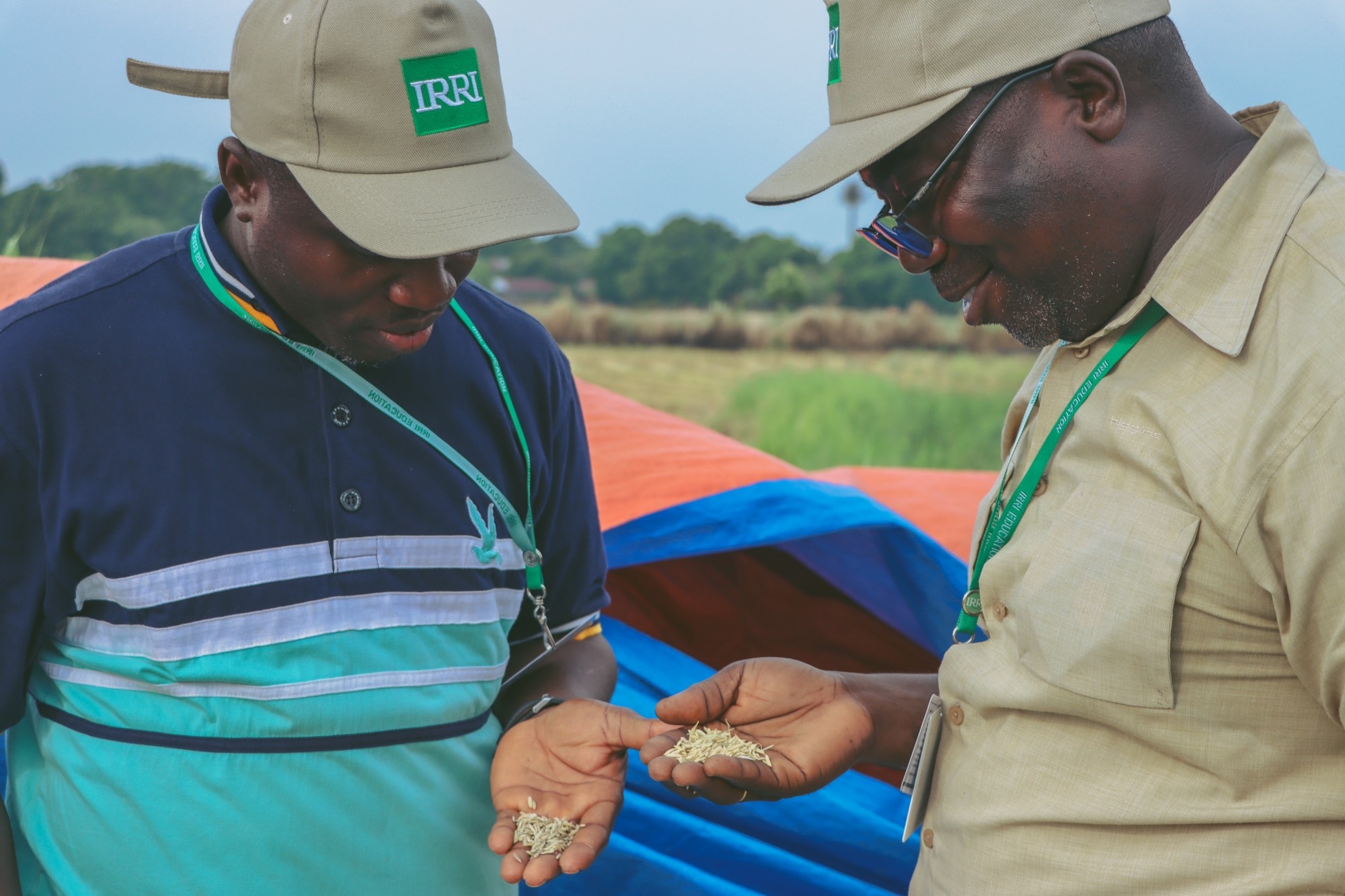
Throughout the three-week program, participants explored rice production, breeding, research, and innovation through a combination of classroom sessions, laboratory exercises, field activities, institutional visits, and interactions with farmers and experts. From learning the fundamentals of rice science and breeding to engaging with farming communities in Laguna, participants gained firsthand insights into how research drives innovation and creates impact across the rice value chain.
As one of IRRI’s flagship capacity development programs, RR2P continues to strengthen the knowledge, skills, and professional networks of emerging scientists and researchers, preparing them to contribute to sustainable rice production, agricultural innovation, and food security in their respective countries.
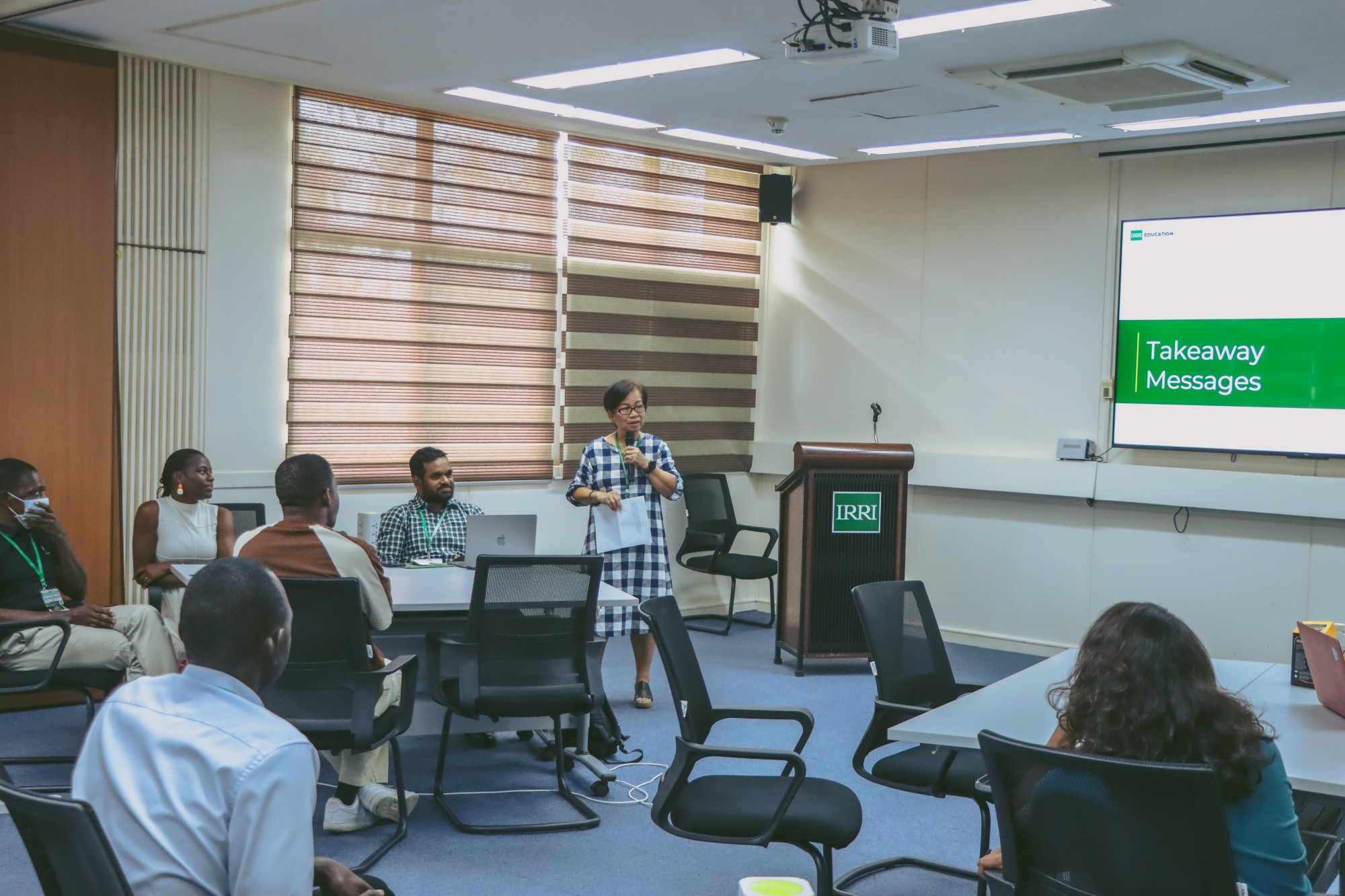
Nineteen years of building capacity in rice science
RR2P continues to evolve alongside the rapidly changing landscape of agricultural research. Guided by Dr. Madonna Casimero, Senior Scientist–Agronomy and the lead resource person, the course was carefully designed to reflect current trends and emerging challenges in rice research and development.
Participants were immersed in a comprehensive learning experience covering rice physiology, genetics, breeding, genome engineering, pest and disease management, postharvest systems, climate-smart agriculture, digital agriculture, impact evaluation, and agricultural policy. Through classroom sessions, laboratory exercises, field demonstrations, and institutional visits, participants gained a holistic appreciation of the rice value chain—from research to production and beyond.
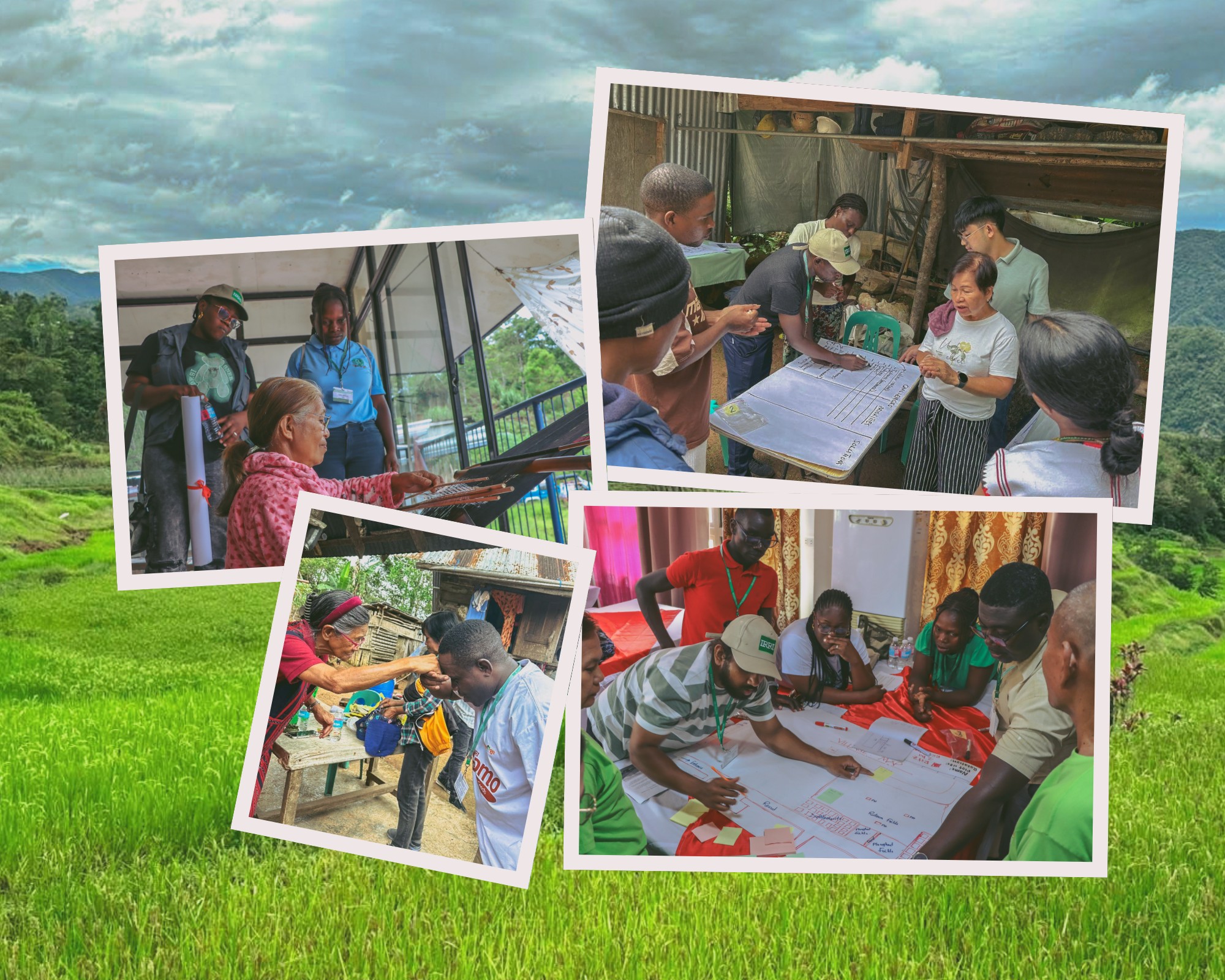
From research fields to farmers’ lives: Connecting science to people
One of the defining features of RR2P 2026 was its ability to bridge scientific knowledge with real-world realities. Throughout the course, participants stepped beyond the classroom and laboratory to engage directly with farmers, agricultural practitioners, researchers, and industry partners across different settings.
Through the Rice Planting Experience (RPEx), farmer interviews and field interactions in Sta. Cruz, Laguna, visits to agricultural enterprises, and learning activities in Banaue, Ifugao, participants gained firsthand insights into the realities, challenges, and innovations shaping rice production systems. These experiences allowed them to better understand how research findings are translated into practical solutions at the farm level and how farmers continuously adapt to environmental, economic, and social challenges.
For many participants, these encounters transformed the way they viewed their work as researchers. From a testimonial of a PhD Candidate in Plant Science at the King Abdullah University of Science and Technology in the Kingdom of Saudi Arabia:
“This course has really changed my perspective on the global effort of achieving food security. I have a better understanding of the hard work of the farmers and how our efforts in science are part of this puzzle.”
This realization became a recurring theme throughout the course. Participants began to recognize that rice science is not merely about experiments, data, or publications—it is about creating meaningful impact for farming communities and contributing to global food security.
Among the most memorable experiences of the course was the learning journey to Northern Luzon, where participants visited agricultural institutions and the world-renowned rice terraces of Banaue. There, they gained deeper insights into indigenous rice culture and witnessed centuries-old farming practices that continue to thrive through community stewardship and traditional knowledge. The experience demonstrated that innovation is not found solely in modern technologies but also in the wisdom, resilience, and ingenuity of farming communities.
The learning experience was further enriched through visits to private-sector partners and agricultural enterprises such as Straw Innovations and Heager’s Farm, where participants observed innovative approaches to sustainable agriculture, value addition, and agribusiness development. These visits highlighted the important role that entrepreneurs, private companies, and farming enterprises play in advancing agricultural innovation and creating opportunities along the rice value chain.
Together, these experiences reinforced a powerful lesson: meaningful agricultural innovation emerges when researchers, farmers, and industry partners work together. Sustainable agricultural development requires not only scientific advancement, but also an appreciation of local knowledge systems, collaborative partnerships, and a shared commitment to building more resilient and food-secure communities.
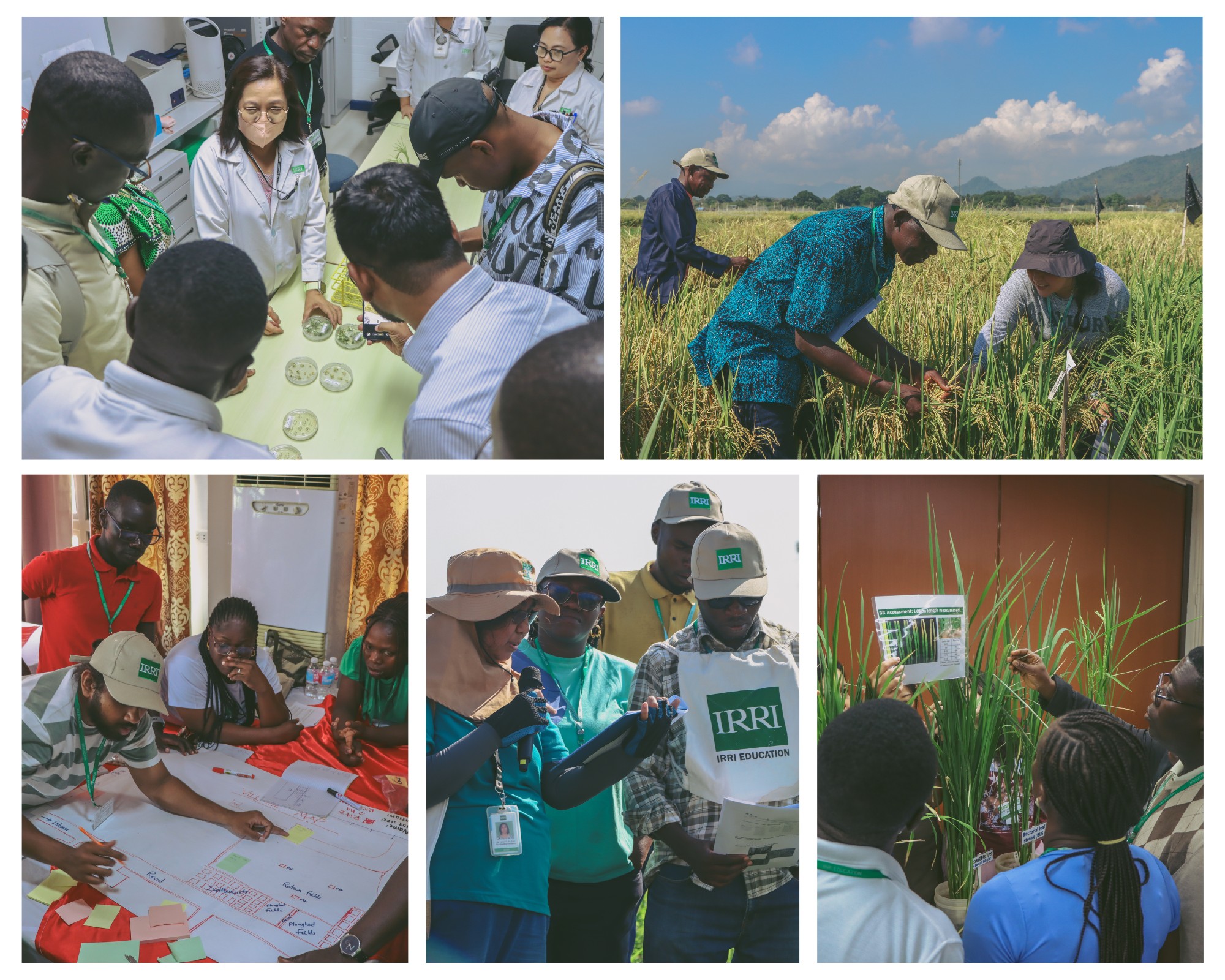
Learning rice through multiple lenses
The complexity of modern agricultural challenges demands interdisciplinary solutions, and RR2P 2026 reflected this reality.
Throughout the program, participants explored rice science through various disciplines, including agronomy, plant breeding, genetics, pathology, entomology, economics, engineering, and social sciences. This interdisciplinary approach encouraged participants to think beyond their areas of specialization and appreciate how different fields contribute to agricultural innovation.
As one participant from Purdue University pursuing a PhD degree in Genomics and Bioinformatics shared:
“It’s an amazing course. It looks at rice through various lenses (aka fields of science) and explores its true potential and limitation in real-life Philippines cases.”
By exposing participants to diverse perspectives and expertise, the course fostered systems thinking—an essential skill for addressing the complex challenges facing global agriculture today.
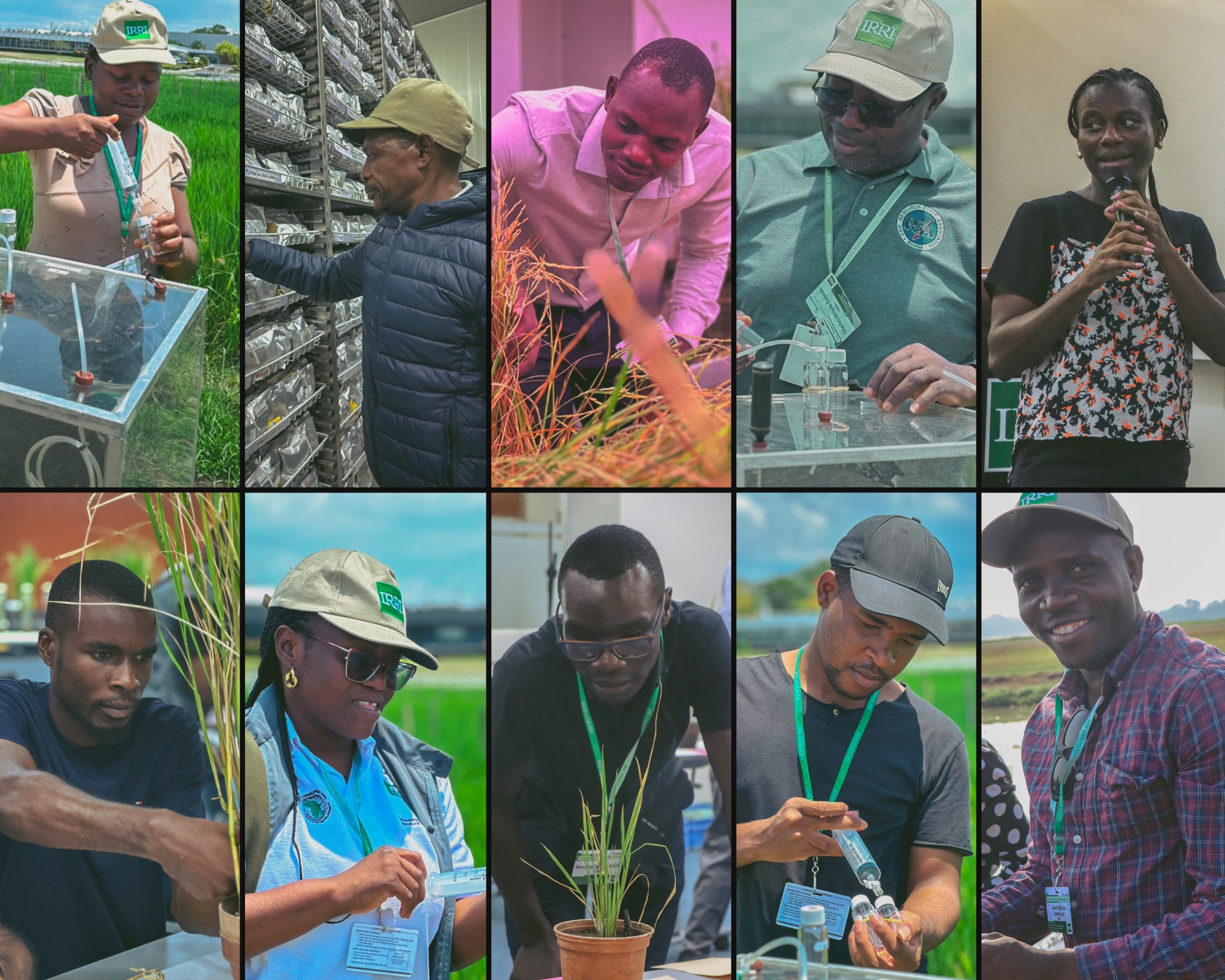
Empowering the next generation of agricultural leaders Through CapSha
A major highlight of RR2P 2026 was the participation of ten researchers from Africa through the Capacity Sharing (CapSha) Project of the Consultative Group for International Agricultural Research (CGIAR).
Supported by CGIAR and implemented in collaboration with CGIAR Centers, Science Programs, and regional partners across the Global South, CapSha aims to strengthen capacities that transform food, land, and water systems for a sustainable future. The initiative promotes knowledge exchange, collaborative learning, and stronger research networks across regions.
For the African participants, RR2P provided a unique opportunity to learn from IRRI’s global expertise while sharing experiences and insights from their own countries. Beyond technical knowledge, the course also challenged them to develop the leadership mindset necessary to drive change within agricultural systems.
For Nartey Elizabeth Norkor, Assistant Research Scientist at CSIR-Crops Research Institute in Ghana, the experience was both educational and empowering:
“This course is highly educative and practical. You get to also have fun while learning. This well-structured course challenges you to strive to become a better leader in the rice ecosystem.”
Her reflection highlights how RR2P develops not only scientific competence but also the confidence and leadership needed to influence the future of rice research and development.
The course also fostered meaningful connections among participants from different countries and institutions. Through nearly three weeks of learning, traveling, and working together, participants built friendships and professional networks that will continue long after the course has ended.
For Barnabas Oginga Oluoch, Doctoral Candidate in Crop Science at the University of KwaZulu-Natal, these connections were among the most valuable outcomes of the training:
“…I have learnt, I have made friends, I have also built networks that I hope would benefit me. The kindness and understanding I got from the organizing team was way out of this world. Importantly, the humility I saw in the resource persons. I’m surely a happy soul!”
His testimony reflects the collaborative spirit that defines the global rice research community—a community built not only on scientific excellence but also on mutual respect, generosity, and shared purpose.
For many participants, one of the course’s greatest strengths was its emphasis on translating research into practical solutions.
Charles Afriyie-Debrah, Senior Research Scientist at CSIR-Crops Research Institute in Ghana, emphasized the relevance of the training to his professional work:
“The Research-to-Production training was highly relevant and well-delivered. It strengthened my knowledge, skills, and practical understanding of agricultural innovation systems. The facilitators were effective, and the interactive sessions and cross-country learning experience were particularly valuable. Overall, it has improved my ability to apply research outputs to real-world agricultural challenges, and I would recommend the course to others in the sector.”
His reflection captures the core philosophy of RR2P: research achieves its greatest value when it leads to meaningful improvements in agricultural systems and farmer livelihoods.
A new perspective on rice science
As the course concluded, participants reflected not only on what they had learned but also on how their perspectives had changed.
They arrived as researchers, students, and professionals seeking technical knowledge. They left with a broader understanding of the interconnected systems that influence food security, a deeper appreciation for farmers and farming communities, and a stronger commitment to ensuring that their work contributes to positive societal impact.
The RR2P 2026 cohort returns to their institutions carrying more than new skills and knowledge. They bring with them a renewed sense of purpose, stronger international networks, and a shared commitment to advancing rice science for the benefit of people and communities around the world.
Cultivating future rice champions
As the 19th implementation of the Rice Research to Production Course ends, its legacy continues through the scientists, researchers, and future leaders it has inspired.
Though they come from different countries, cultures, and disciplines, the participants of RR2P 2026 share a common vision: to advance rice science in ways that strengthen food systems, improve livelihoods, and contribute to a more food-secure future.
Because in the end, rice research is not simply about producing more grain. It is about cultivating knowledge, empowering people, and creating a lasting and sustainable impact—one scientist, one farmer, and one community at a time.
The training was held from May 25 to June 11, 2026, at IRRI Headquarters.
https://www.irri.org/news-and-events/news/empowering-next-gen-scientists-create-enduring-impact-rice-research-andPublished Date: July 1, 2026


 READ
READ