Downloads
 Login
 Register


Tags
Philippine Q3 rice output slumps 18%, but El Niño’s biggest impact is yet to hit
By Amanda Lim
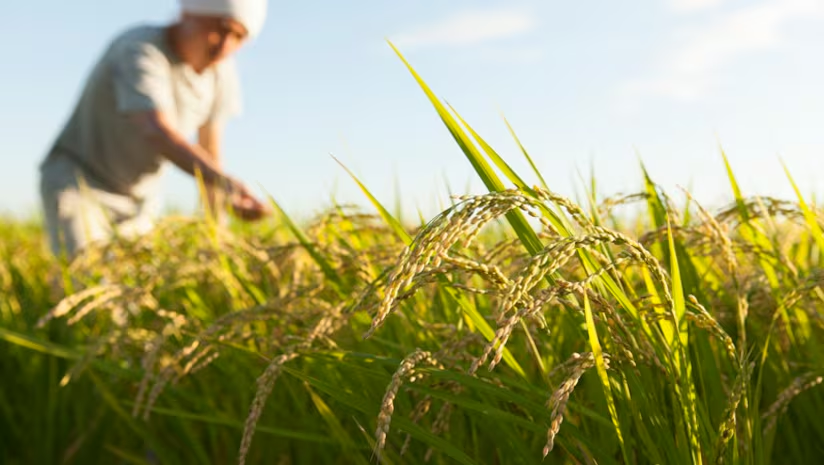
Philippine palay production fell 18 per cent in the third quarter, but the Department of Agriculture (DA) says El Niño’s more significant effects on rice output will be felt in the first half of 2027.
- Philippine Q3 palay production-fell 18%
- High input costs and reduced harvested area fueled cause, the DA says.
- El Niño’s more significant effects are expected in early 2027.
According to the Philippine Statistics Authority, third-quarter palay output reached 3.26 million metric tonnes, down from 3.75 million metric tonnes in the same period last year.
That decline was largely expected, said DA Undersecretary Christopher Morales, who oversees the Rice Industry Development Program.
“As we forecasted, the decline in third-quarter production is strictly because of the reduction in harvested areas. High fertilizer and fuel costs affected farmers’ investment in inputs and, in some cases, their planting decisions,” said Morales.
Based on current estimates, full-year palay production in 2026 should be around 19 million tonnes, lower than last year.
Morales added that the decline was not entirely El Niño-related.
Other factors were a significant factor in this decline and ongoing set-backs, the industry-wide high petrol prices, dropping commitments and reliance on pesticides and high costs and uncertain returns, and weather disturbances such as heavy rains linked to the southwest monsoon.
El Niño test lies ahead
While the DA continues to evaluate countermeasures, protection strategies, and short-term response efforts, it expects its more significant effects in the first half of 2027, during the dry season cropping period.
The DA said the extent of the impact on rice will depend on the severity and duration of dry conditions, water availability, and how effective timely-interventions prove to be. In other words, the scale of the shock is still unknown.
To prepare, the department is working to improve water availability, procurement of alternative rain schemes, and other measures that will help farmers adjust cropping schedules to more stress-resistant crop conditions.
The government is also working on short-and medium-term steps, including measures to help farmers manage production inputs and maintain productivity.
The National Food Authority’s palay procurement programme has increased to offer farmers an alternative market for their harvests, Morales said, supporting incomes and encouraging continued production.
In 2024-25, palay output rose progressively by around 7.8 million, higher than from the previous year.
Since then, the country has expanded irrigation, developed improved rice varieties, energy-smart weather monitoring, and trained crop communities to help farmers adjust cropping schedules and better manage drought conditions.
Agriculture Secretary Francisco P. Tiu Laurel Jr. said the country was now better equipped to manage prolonged dry spells with advances in agriculture technology and more expensive interventions to help farmers cope with weather-related shock.
https://www.agnavigator.com/Article/2026/11/10/philippine-q3-rice-output-slumps-18-but-el-ninos-biggest-impact-is-yet-to-hit/Published Date: November 10, 2026


 READ