Downloads
 Login
 Register


Tags
Basmati Rice Rally: Strong Gulf Demand Lifts Indian Paddy and FOB Values
CMB News Editorial
Indian basmati paddy and FOB prices rise on robust West Asian demand, while mills face margin pressure from higher procurement and freight costs.
Indian basmati paddy prices in North India are rising sharply as robust export demand from West Asia tightens the market, supporting higher FOB quotations out of New Delhi. Farmers are benefiting from year‑on‑year gains in paddy realizations, but mills and exporters are grappling with thinner margins as procurement, freight and financing costs climb. Momentum is particularly strong in key basmati grades 1509 and 1121, where paddy prices have moved well above last year’s levels, and FOB prices for corresponding milled rice have also firmed. Saudi Arabia, Iran and the UAE remain the backbone of demand, even as sanctions‑linked payment frictions and shipping disruptions lengthen the working‑capital cycle. For now, firm export interest suggests a positive near‑term price bias, but any further escalation in logistics or policy risks could quickly test the competitiveness of Indian origin.
Prices
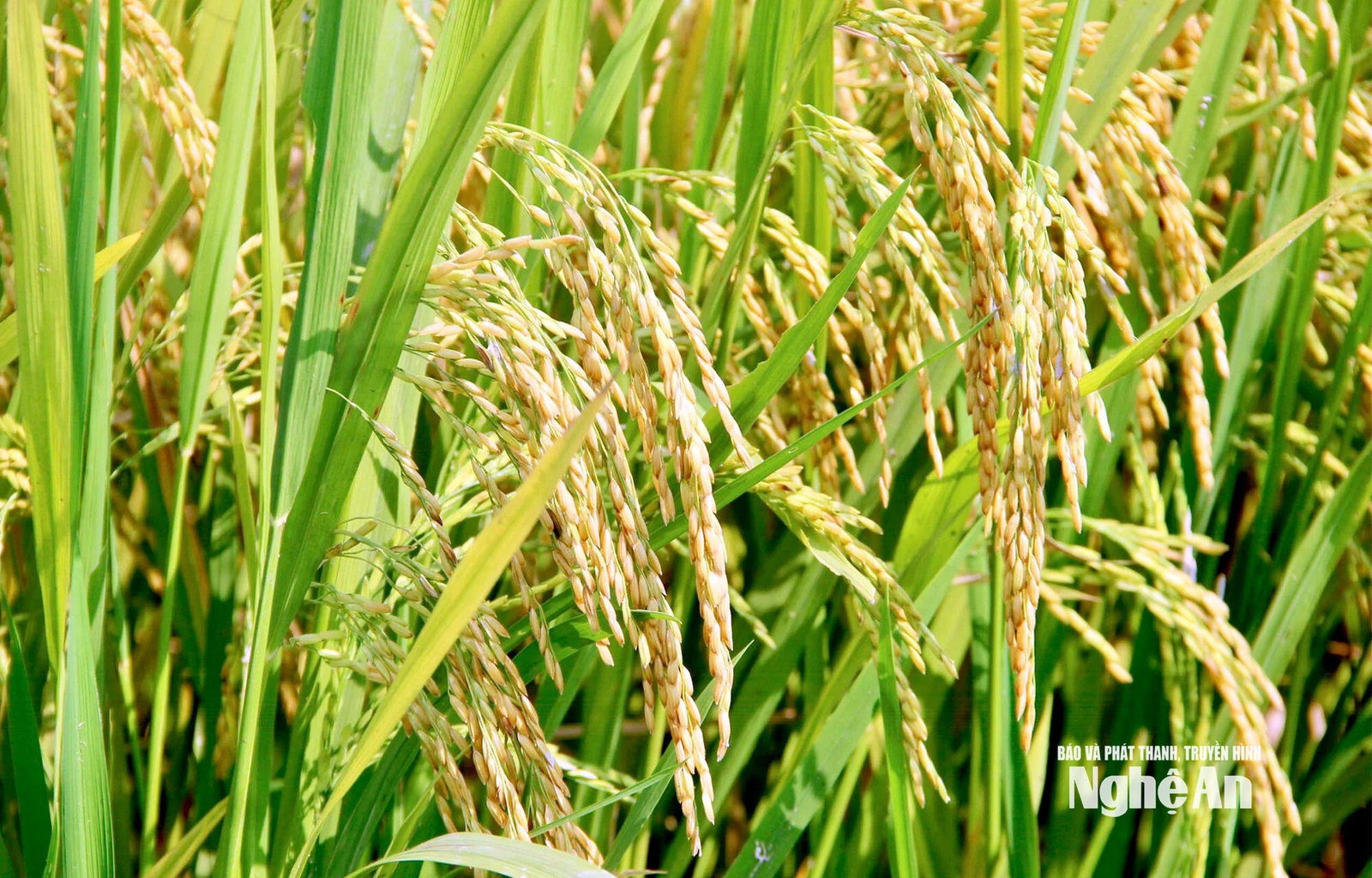
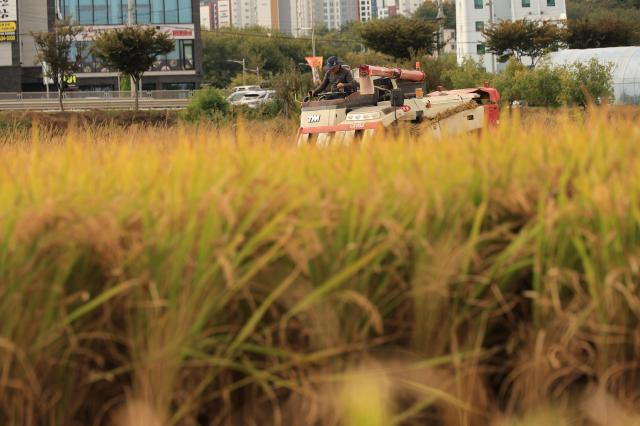
Basmati paddy prices in Punjab and Haryana have increased significantly versus the same period last year, underpinned by strong export buying. Selected basmati varieties are now trading above US$52.88 per quintal, compared with roughly US$42.30 per quintal a year ago, indicating a robust uplift in farm‑gate values. In key producing markets, 1509 basmati paddy is quoted around US$47.59 per quintal, while 1121 paddy is near US$54.99 per quintal, highlighting a clear premium for longer‑grain, higher‑quality lots.
FOB quotations from New Delhi mirror this firmness. As of 24 October 2026, Indian basmati‑linked types show the following EUR levels on an FOB basis: 1509 steam at 0.68 EUR/kg, 1121 steam at 0.75 EUR/kg, 1121 creamy white sella at 0.65 EUR/kg and golden sella at 0.85 EUR/kg. Non‑basmati and organic basmati remain at elevated but stable levels, with organic white basmati around 1.57 EUR/kg FOB New Delhi. Vietnamese long‑grain benchmarks, by contrast, are comparatively steady, with 5% long white rice priced near 0.35 EUR/kg FOB Hanoi.
| Origin | Type | Delivery term | Latest price (EUR/kg) | Previous price (EUR/kg) | Update date |
|---|---|---|---|---|---|
| India, New Delhi | Rice, all golden, sella | FOB | 0.85 | 0.81 | 2026-10-24 |
| India, New Delhi | Rice, all steam, 1121 steam | FOB | 0.75 | 0.70 | 2026-10-24 |
| India, New Delhi | Rice, all steam, 1509 steam | FOB | 0.68 | 0.64 | 2026-10-24 |
| India, New Delhi | Rice, white sella, 1121 creamy | FOB | 0.65 | 0.60 | 2026-10-24 |
| India, New Delhi | Rice, white, basmati (organic) | FOB | 1.57 | 1.57 | 2026-10-24 |
| Vietnam, Hanoi | Rice, long, white, 5% | FOB | 0.35 | 0.35 | 2026-10-24 |
Supply & Demand
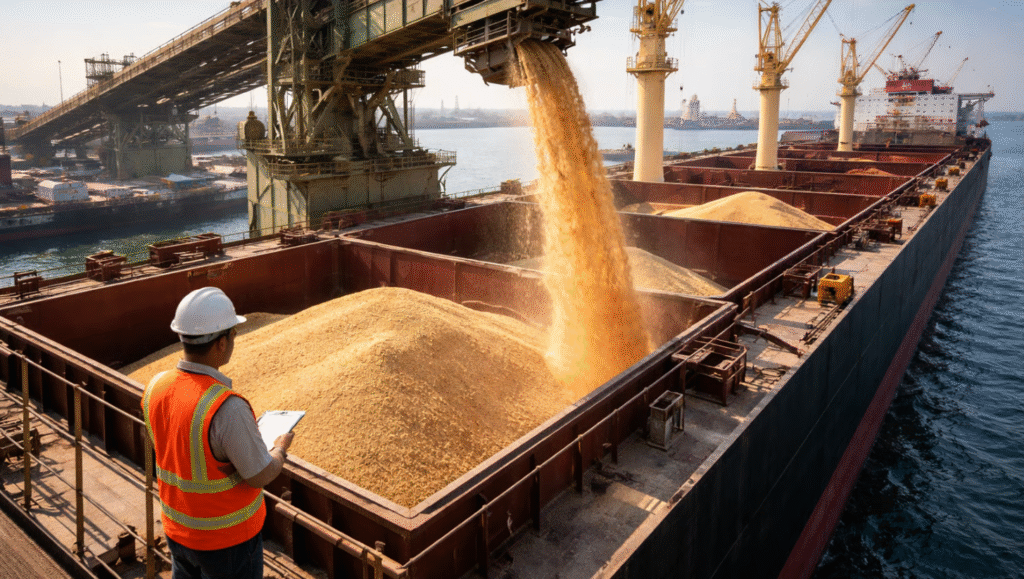
India exported around 6.52 million tonnes of basmati rice worth US$5.67 billion in FY 2025/26, underlining its dominant role in premium aromatic rice trade. Saudi Arabia, Iran and the UAE remain crucial destinations, anchoring core demand for 1121 and 1509‑based product ranges in both bulk and branded channels. Recent industry data indicate that the broader Middle East together absorbs roughly two‑thirds to 70% of India’s basmati exports, confirming the region’s outsized influence on paddy pricing and milling margins.
Despite geopolitical tensions and sanctions‑related challenges, demand signals from Saudi Arabia and the Gulf Cooperation Council remain broadly supportive, with buyers focused on securing forward coverage in higher‑value segments. However, exports to Iran show more volatility as banks, insurers and shippers reassess risk, leading to slower off‑take and delays in contract execution. This creates a two‑speed demand profile: firm, price‑tolerant buying from core Gulf markets versus sporadic, risk‑constrained flows into Iran and certain conflict‑affected destinations.
Logistics, Freight & Risk
Exporters report rising headwinds from shipping disruptions and higher freight expenses, particularly on routes exposed to Red Sea and Gulf chokepoints. Longer transit times and rerouting around high‑risk maritime corridors have increased voyage durations by several weeks on some lanes, lifting freight and insurance premia and complicating delivery schedules.
At the same time, sanctions‑driven payment frictions in Iran and tighter compliance checks via traditional hubs such as the UAE are stretching working‑capital cycles. Cargoes may move more slowly from Indian ports to West Asia, with a portion of contracted volume periodically stuck in transit or awaiting documentation clearance. While some of these additional costs can be passed through into CIF offers, mills and traders bear a growing financing burden between paddy procurement and final realization, amplifying their sensitivity to any adverse price moves.
Weather & Crop Conditions
Weather conditions in Punjab and Haryana through the late monsoon and early post‑monsoon period have been generally adequate for basmati cultivation. After an initially weak start to October rainfall, subsequent wet spells pushed monthly precipitation well above normal in both states, easing moisture concerns during late vegetative and grain‑filling stages. This has supported yield prospects for major basmati varieties such as 1121 and 1509.
Nonetheless, earlier seasonal outlooks had warned of below‑normal monsoon rainfall in parts of Punjab and Haryana, and localised heavy showers in mid‑October raised lodging and harvest delay risks in some pockets. Overall, current market pricing suggests that quality concerns are manageable and that buyers are prioritising securing volumes over small variations in physical parameters, especially for export‑grade paddy aligned to Middle Eastern specifications.
Fundamentals & Margin Dynamics
Stronger paddy prices are clearly benefiting farmers, improving cash flows and potentially encouraging sustained basmati acreage in coming seasons. However, higher procurement costs are squeezing mill and exporter margins as they compete aggressively for limited premium paddy supplies. With FOB prices moving higher but not always proportionally to paddy costs, the risk of margin compression is rising, particularly for firms locked into earlier forward sales at lower offer levels.
India’s basmati export performance in FY 2025/26 underscores resilient underlying demand despite a challenging macro backdrop. Yet the current cycle is characterised more by cost‑push pressures than by outright supply shortages. Exporters face a delicate balance: pass through as much of the higher paddy and freight cost as the market will accept, without pricing Indian origin out against alternative aromatic and long‑grain suppliers. Working‑capital intensity is increasing, making risk management, credit discipline and hedging strategies more critical than in prior years.
Outlook & Trading Recommendations
Looking ahead, strong export demand from Saudi Arabia, Iran and the UAE is likely to keep basmati paddy and FOB prices under upward to sideways pressure into the near term. Market sentiment will hinge on three key variables: the realised size and quality of the current basmati harvest, freight and insurance trends on India–Gulf routes, and any further tightening of sanctions‑related payment channels. Barring a sharp deterioration in logistics or policy, the market appears biased toward continued firmness rather than a quick correction.
Trading outlook
- Exporters with comfortable paddy coverage should consider selectively raising offer levels for premium 1121 and 1509 milled rice, while avoiding overly long forward exposure into high‑risk destinations.
- Millers may focus on faster inventory rotation and strict quality segregation to capture premiums on top‑grade lots, mitigating margin pressure from high paddy costs.
- Importers in West Asia should use current availability to extend coverage modestly, particularly for golden sella and key steam grades, but build in flexibility on shipment windows given ongoing freight uncertainties.
Published Date: October 28, 2026


 READ