Downloads
 Login
 Register

Tags
Kenya eyes 78,750 tonnes of rice from Bura as India investment model comes under scrutiny
By Felix Kyalo
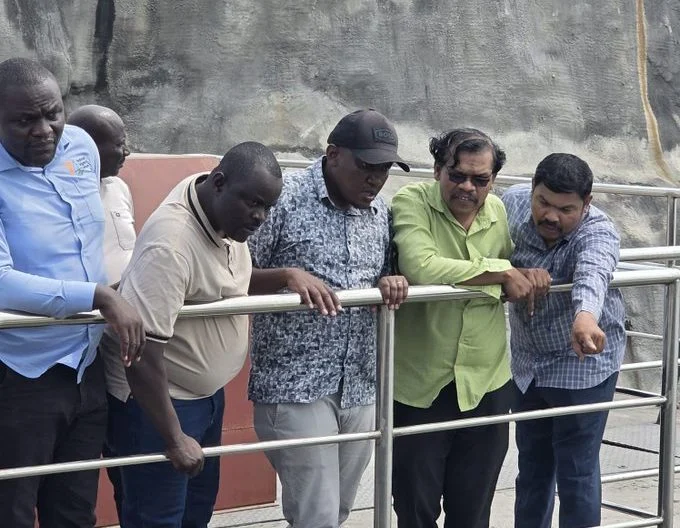
Kenya is exploring an Indian agricultural investment model to turn the Bura Irrigation Scheme in Tana River County into a major rice production hub, with a proposed 35,000-acre development projected to produce 78,750 metric tonnes of rice per production cycle.
The plan could help address Kenya’s heavy dependence on imported rice, but its success will depend on whether the proposed investment translates into reliable irrigation, commercially viable farming, processing capacity and affordable supplies for consumers.
On Wednesday, October 21, 2026, a delegation led by State Department for Irrigation Principal Secretary Ephantus Kimotho visited Hyderabad in Telangana and Kakinada in Andhra Pradesh, India, following an invitation from United Port Services Private Limited to examine its agricultural investment model.
The Ministry of Water, Sanitation and Irrigation said the visit would help Kenya assess how private capital, modern technology and large-scale irrigation infrastructure could be combined to increase domestic food production.
“The visit is providing the Kenyan delegation with an opportunity to learn how private-sector investment, modern agricultural technologies and large-scale irrigation infrastructure can be integrated to increase agricultural productivity, strengthen food security and reduce dependence on food imports,” the ministry said.

The delegation also visited the Polavaram Irrigation Project, a major multipurpose infrastructure development designed to support irrigation, water security and hydropower generation.
The ministry said the project’s integrated approach offered lessons for Kenya as it pursues agricultural modernisation and seeks to expand the area under irrigation.
“The proposed transformation of the Bura Irrigation Scheme presents an opportunity for Kenya to apply relevant lessons from this experience,” the ministry said.
Production numbers
According to the ministry’s estimates, cultivating 35,000 acres at an average yield of 30 bags per acre could produce approximately 1.05 million bags of rice in one production cycle.
At 75 kilogrammes per bag, the projected harvest would amount to 78,750 metric tonnes. The ministry argues that such production could increase domestic supplies, create employment, improve farmers’ incomes and stimulate businesses across the agricultural value chain.
“With reliable water supply, modern irrigation infrastructure, appropriate agricultural technologies, efficient production systems and strong market linkages, Bura has the potential to emerge as a major rice production hub,” the ministry said.

The proposed development is aligned with the National Irrigation Sector Investment Plan 2025–2035, which targets an additional one million acres under irrigation over ten years.
However, the acreage and implementation plans require careful clarification. The National Irrigation Authority’s investment catalogue published in March 2026 described a 35,000-acre Bura development divided between 15,000 acres for sugarcane and 20,000 acres for rice.
Its project information has also listed a separate 35,000-acre rice-production partnership. These figures should be reconciled to establish precisely how much land is committed to rice, which investors are responsible and what stages of development remain outstanding.
The real test
Bura’s water supply will determine whether the projected harvest is achievable. The National Irrigation Authority says the scheme historically faced high pumping costs and unreliable water supply under its diesel-powered system.
The transition to gravity-fed irrigation is intended to reduce operating costs and improve reliability. But a large commercial rice operation will still require dependable water allocation, functioning canals, maintenance and efficient distribution throughout the production cycle.
Second, the investment must deliver measurable benefits beyond acreage and headline production figures. The government needs to clarify the investor’s financing commitments, implementation timetable, land arrangements, access for existing farmers, employment opportunities and plans for milling and distribution.
The National Irrigation Authority’s published investment catalogue envisages a rice mill with capacity to process 36,000 tonnes annually under the Bura development proposal. If the projected harvest reaches 78,750 tonnes per cycle, processing capacity, storage and market access will become important questions.
The Agriculture and Food Authority estimated annual rice demand at 1.2 million tonnes, compared with domestic milled production of 182,030 tonnes; Kenya imported 582,500 tonnes in 2025 at a cost of Ksh.23.7 billion, according to figures reported by Kenya News Agency on October 19, 2026.
Bura’s projected 78,750 tonnes of paddy rice would not automatically translate into the same quantity of milled rice available to consumers. The decisive test will be how much market-ready rice the scheme delivers, at what cost and how consistently.
The India visit therefore marks an opportunity to examine a model, not proof that Bura’s transformation has been secured. Kenya’s next milestone should be a transparent implementation plan that connects investment, water, farmers, processing and actual rice reaching the market.
by Felix Kyalo — F.K.
https://peopledaily.digital/news/kenya-eyes-78750-tonnes-of-rice-from-bura-as-india-investment-model-comes-under-scrutinyPublished Date: October 22, 2026


 READ