Downloads
 Login
Login
 Register


Tags
Japan veers from rice shortage to glut, dealing blow to farmers
By Ririko Tada – BLOOMBERG
Last year, Japan was flooding its rice market with emergency stockpiles in a bid to mollify voters angered by the soaring price of its staple grain.
Now, it has the opposite problem: a glut.
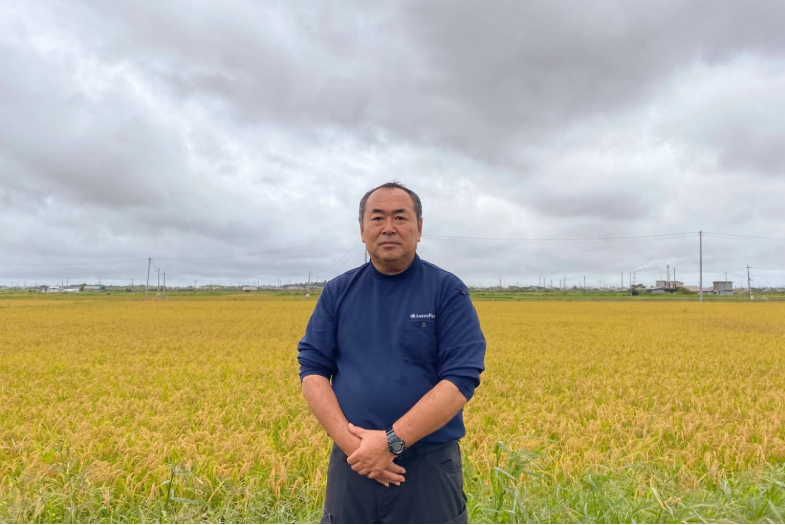
That’s welcome news for shoppers, but the whiplash is hurting people such as Hiroshi Asano, 59, who farms a relatively large 38 hectares of rice fields in Chiba, close to Tokyo. He expects to make a loss this year, and he’s worried smaller-scale farmers won’t be able to survive.
“I’ve been hearing about quite a few people who plan to give up this year,” Asano said, looking out across his windblown fields. The former trucker turned to farming later in life, first taking over his wife’s family fields and then expanding to land abandoned by relatives and neighbors.
Extremes of weather — including record rainfall in the past few weeks — along with rising costs for machinery and lower prices for their product have all added up to insurmountable problems for many in an already-shrinking sector.
The number of farmers plunged by more than half from 2.4 million in 2000 to less than a million in 2026 as the population aged, according to the Ministry of Agriculture, Forestries and Fisheries. About 70% of people whose primary occupation is farming, not including for incorporated businesses, are over 65.
Parents are increasingly reluctant to hand their farms down to children who have found other paths in life, Asano said.
Japan’s rice producers operate under production guidelines and import restrictions meant to protect them from price slumps and help ensure food security. That means the local market often moves counter to international counterparts — as is the case this year.
But the system cracked after an unusually hot summer in 2023 produced the lowest yield in more than 10 years. At the same time, rice demand surged as restaurants filled up after the pandemic, and a government warning about a potential earthquake prompted hoarding. Shoppers sometimes struggled to find rice at local supermarkets.
As consumer worries threatened to blow up into a crisis, the government for the first time tried to relieve shortages by gradually releasing reserves. But in selling off 590,000 metric tons, or about a month’s supply, some think then-agriculture minister Shinjiro Koizumi went too far.
“Essentially Koizumi did not need to release that much stockpiled rice last year,” said Asano. “People were saying rice was expensive, so they released too much, and now there’s an excess.”
On top of that, last year’s harvest exceeded demand, after official forecasts failed to predict the extent of the drop in consumption prompted by rising prices, changing eating habits and an aging population.
The price of a 5-kilogram bag of rice at supermarkets dropped to about ¥2,934 ($18.70) as of Sept. 20, its lowest in more than two years, according to the agriculture ministry. It had hit a peak of more than ¥4,400 in January.

In response, the ministry has announced that it will buy back about 210,000 tons of rice to replenish its stockpiles. Yet, even if the government replaces its reserves, prices are likely to keep declining, said Kimio Inagaki, a fellow at Mitsubishi Research Institute who researches farm policy.
Asano said the Japan Agricultural Cooperatives, who act as middlemen for many farmers, are paying him less than ¥15,000 per 60 kg of unprocessed rice this year, down from ¥30,000 the previous year.
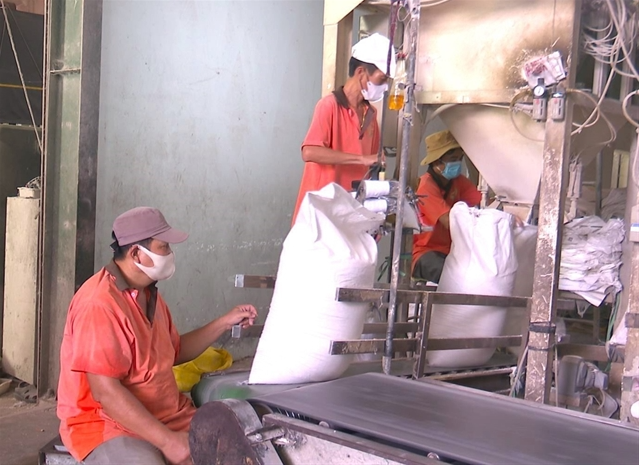
He’s trying to add value to his harvest by growing organic rice, processing it, and packaging the final product himself. This has enabled him to diversify his buyer base beyond the cooperative to local rice shops and individual customers.
Smaller farmers cannot afford to process and package rice themselves, so they are forced to accept the prices they’re offered by the cooperative, he said.
Of course, consumers are benefiting from cheaper rice, and not only at the supermarket, with three convenience store chains announcing reductions to the prices of their popular rice balls.
But the government is seeking to stabilize the market. The agriculture ministry has updated its rice forecasting model to incorporate real-time trends, such as population shifts, inbound tourism, and milling yields, it said in an email.
Under a newly revised food law, officials are also requiring food processors and food service businesses to report inventory and sales data to gain clearer visibility into market distribution.
Still, Kunio Nishikawa, a professor at Nihon University who researches agricultural policy, agrees rice prices will probably keep on falling next year, given the extent of the oversupply. He added that the government should offer subsidies to help keep farmers in business, while warning this could be politically difficult.
Farmer Asano advocates a government-set price floor for rice at what he calculates is a livable level of around ¥20,000 for 60 kilograms to help slow the outflow from the sector.
He plans to stay in the business, having introduced technology such as drones and brought family members on board.
“Now the farm has become this big, I think: If I quit, what are all these other people going to do?” he said. “But if it were just me, I might have given up already.”
https://www.japantimes.co.jp/news/2026/09/29/japan/rice-glut-japan/Published Date: September 29, 2026



 READ
READ