Downloads
 Login
Login
 Register


Tags
Higher diesel price to make farming costlier
Yasir Wardad
Experts seek cash subsidy for farmers.
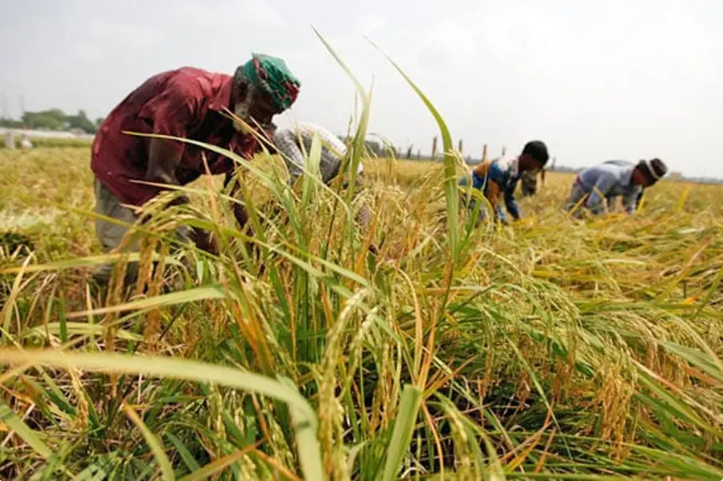
An abrupt Tk 20-a-litre hike in diesel prices is to make irrigation, mechanised harvesting and transportation costlier, putting fresh pressure on the cost of production of rice, vegetables and other farm commodities.
Agricultural economists and farm representatives came up with such forewarning as the government just raised the fuel-oil prices citing the urgency of checking subsidy burden and also smuggling.
The government raised the retail price of diesel to Tk135 per litre from Tk115, effective Monday, along with Tk20 increases in petrol, octane and kerosene prices.
The impact on agriculture is expected to be particularly significant because diesel-powered irrigation pumps and farm machinery remain widely used across the country.
According to Bangladesh Agricultural Development Corporation’s (BADC) minor irrigation data cited in government documents, around 1.22 million small diesel-powered irrigation pumps are used for agricultural irrigation.
The government roadmap on solar irrigation also shows diesel pumps account for more than half of irrigated agricultural land and consume about 1.0 million tonnes of diesel annually.
Agricultural economist Prof Golam Hafeez Kennedy says the higher diesel price will, therefore, increase the cost of supplementary irrigation, particularly for rice cultivation during periods of inadequate rainfall.
Farmers growing winter vegetables are also likely to face higher production costs as diesel is used to run irrigation pumps and agricultural machinery.
“Combine harvesters, reapers, threshers, power tillers and tractors are increasingly being used in Bangladesh, particularly as farmers face labour shortages and seek to reduce harvesting time,” he told The Financial Express.
A diesel-price increase directly raises the operating costs of these machines, while machine operators are likely to adjust rental charges to cover higher fuel expenses, he notes.
“The impact was visible after the previous diesel price increase.”
Economist Prof Dr Rashidul Hasan says though Aman rice farming is usually rain-fed, lower rain in many regions is forcing farmers for supplementary irrigation.
He says above 30 per cent of the rice land has come under combine harvesters while 98 per cent farmlands are ploughed through power tiller or tractors.
He says mechanised harvesting reduces labour and harvesting costs by above 50 per cent compared with manual methods.
“But higher fuel prices increase the variable operating cost of machinery, potentially reducing the savings available to farmers,” he says.
This, he opines, could be particularly important for rice and maize farmers because harvesting services are increasingly used during short harvesting windows, when demand for machines is high. Value-chain expert Mohammad Moziball Hoque points out that diesel is also heavily used for trucks, covered vans and other vehicles transporting agricultural commodities from production areas to wholesale markets and urban centres.
Higher diesel prices will raise the cost of carrying rice, vegetables, potatoes and other farm products.
The increased cost can affect the entire supply chain-from transporting fertiliser, seed and other inputs to moving harvested crops from farms to markets.
“The combined effect could eventually put upward pressure on food prices, although the extent will depend on how much of the additional cost is absorbed by farmers, machinery operators, traders and transporters,” he says.
Rice could face pressure through higher irrigation and harvesting expenses, while vegetables may be particularly sensitive because they often require repeated irrigation and are transported frequently from production areas to urban markets.
Bangladesh Agricultural Farm Labourers Federation secretary Golam Sarowar has said the higher fuel price comes at a time when farmers are already facing elevated costs for several agricultural inputs.
“If output prices do not rise in line with production expenses, farmers’ margins could narrow,” he says, adding that the government should give direct cash subsidy to the farmers to avert losses.
Asked, agriculture secretary Md Selim Khan told the FE Monday the government is working so that farmers do not face any difficulties in agricultural activities.
“If farmers are affected in any way by the price increase, the agriculture ministry is alert and we will take measures accordingly,” the agriculture secretary said.
Bangladesh consumes around 4.35 million tonnes of diesel annually, with transport accounting for about 60 per cent of consumption and agriculture around 20 per cent.
https://thefinancialexpress.com.bd/trade/higher-diesel-price-to-make-farming-costlierPublished Date: September 22, 2026


 READ
READ