Downloads
 Login
Login
 Register

Tags
NST Leader: Malaysia’s rice self-sufficiency push needs long-term reforms
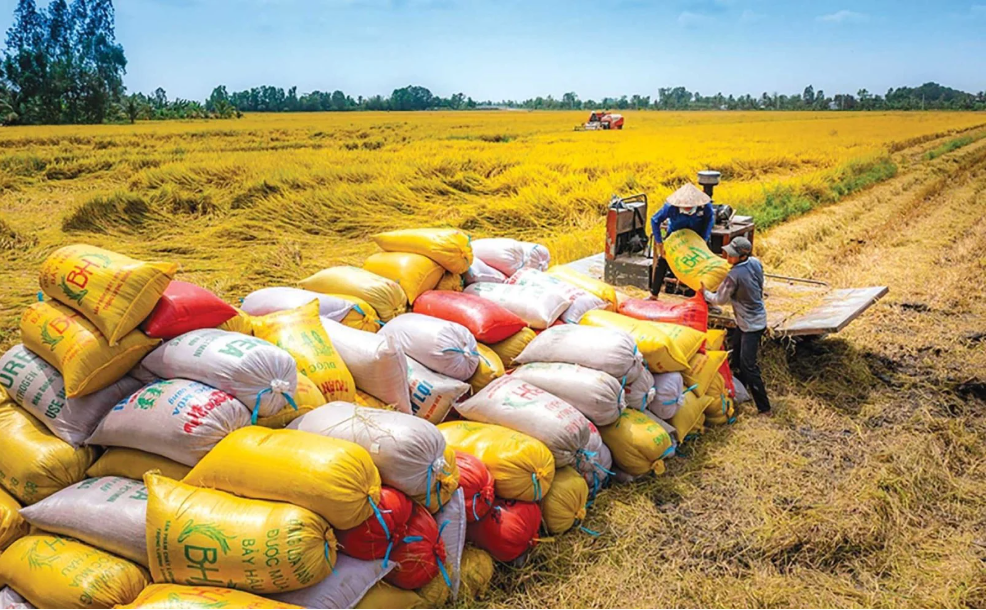
AGRICULTURE and Food Security Minister Datuk Seri Mohamad Sabu recently implored that Malaysia’s rice self-sufficiency ratio (SSR) must increase to 80 per cent to ensure a comfortable supply, but a slew of obstacles stand in the way.
Currently, Malaysia’s rice SSR ranges from around 52 per cent to 65 per cent, so the 80 per cent target, while plausible, first needs structural, environmental and economic resolutions.
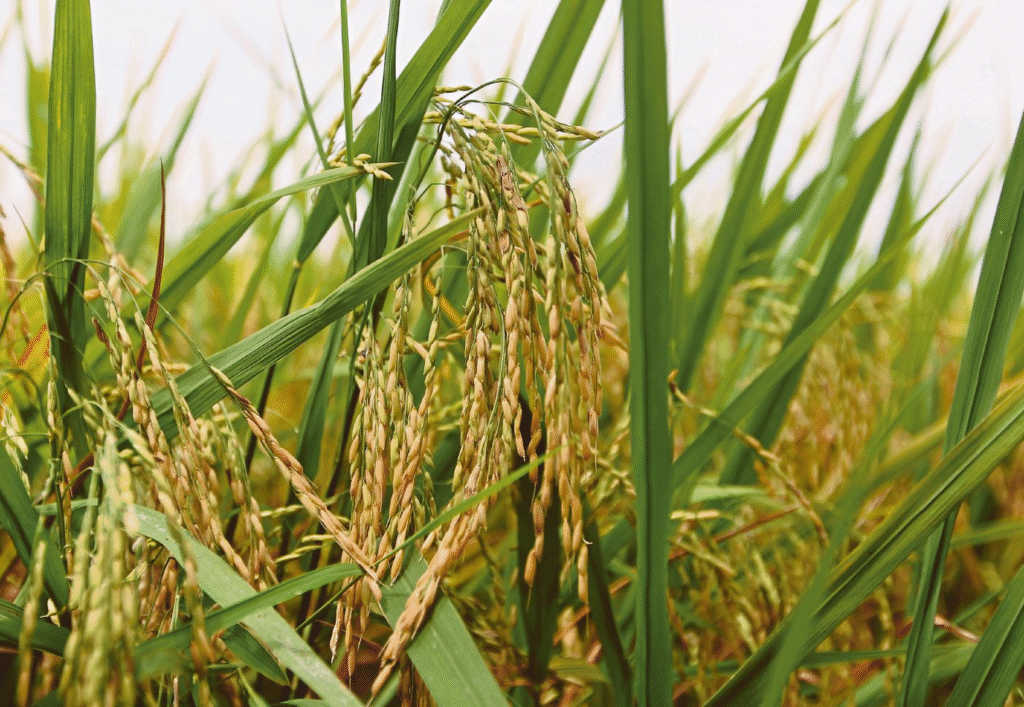
Complex land constraints and conversions are urgent barriers: Padi hectarage is shrinking, much of it having been converted or earmarked for conversion into lucrative non-food crops like oil palm.
The climate crisis has precipitated extreme weather, floods and droughts, pulverising huge plots of padi fields.
Like most labour-intensive work, few people, at least among the younger generation, care to work the bendang (rice fields), instead opting for urban, white-collar jobs.
Granaries, the storehouses holding and protecting grain and seed, reel under ageing irrigation and drainage systems.
Farmers can barely afford fertilisers, pesticides and hired labour, let alone mechanisation, the perennial problems contributing to low yields. Unfortunately, imported rice is cheaper and more efficient than subsidising or managing domestic production.
To overcome these obstacles, Mohamad must commit to several measures. First, the ministry must spearhead a multi-pronged overhaul, driven by the National Agrofood Policy 2.0.
Smallholdings should also be consolidated — eliminating boundaries, standardising planting schedules and sidestepping the middlemen. Partnerships should be brokered between Putrajaya and state governments to unlock tracts of land and expand rice estates in Sabah and Sarawak.
This is complicated: the minister has to persuade oil palm conglomerates to allocate a small fraction of their land banks for padi growing. He has to push for disaster-resistant seeds and multiple annual cropping, and introduce insurance schemes to shield smallholders from catastrophic damage.
Youth should be wooed into the industry with “agropreneur” grants, easy-access loans and modern training. Padi farming should also be given a “cooler” image by assimilating robotics, drones and digital tools that could turn farming into a lucrative career. Meanwhile, the Finance Minister may need to allocate a dedicated infrastructure fund to modernise ageing water distribution networks across granary zones.
To be fair, Mohamad did outline modern padi farming strategies: developing data, technology, automation, artificial intelligence, innovation, entrepreneurship and environmental sustainability.
His push for the 80 per cent SSR deserves support, but the bigger issue is, why is Malaysia so dependent on imported rice for such a basic staple?
It’s risky to assume that cheap imports overlook the risks of dependence on imports, as the global food supply chain is vulnerable to wars, trade sanctions and climate change, proven by the United States’ tariffs and war on Iran.
We need reminding that domestic rice production prioritises local consumers if supplies tighten. Cheap rice is welcomed, but cheap imports are no excuse to neglect domestic production and categorise it as food security.
Even with an 80 per cent SSR, Malaysia may still need imports, so it is vital in the long term to maintain adequate stockpiles and avoid over-dependence.
https://www.nst.com.my/opinion/leaders/2026/09/1523796/nst-leader-malaysias-rice-self-sufficiency-push-needs-long-termPublished Date: September 2, 2026


 READ
READ