Downloads
 Login
Login
 Register


Tags
Rice in Mali: Purchase of 26,030 Tons to Stabilize Prices
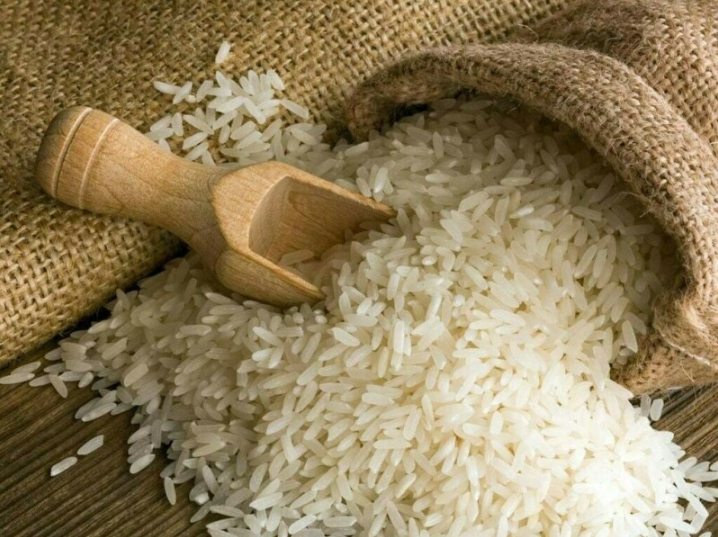
The Malian government has decided to purchase 26,030 tons of unsold local rice to support the rice sector, protect household purchasing power, and stabilize the market. This measure comes amid rising food prices and difficulties in selling domestic production.
A Response to the Sales Crisis
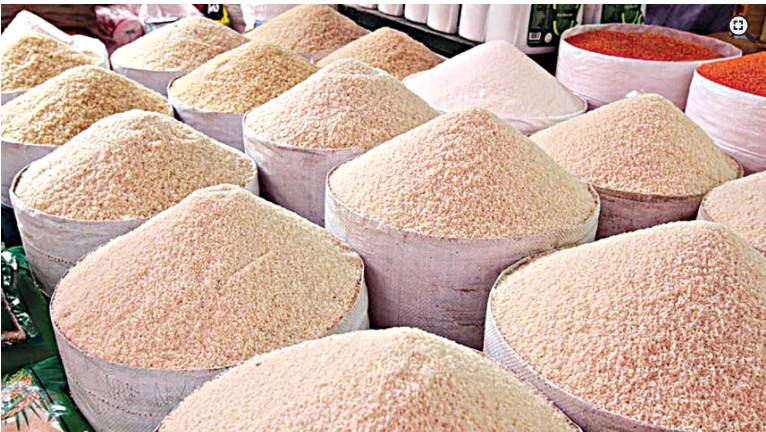
The Malian rice sector faces a problem well-known in several West African countries: local production exists but struggles to find buyers in the face of competition from imported rice. High production costs reduce the competitiveness of local rice, which weakens producers and creates stockpiles.
By deciding to purchase this significant volume, the government aims to prevent unsold rice from further burdening farmers and creating additional pressure on the market. The operation also aims to quickly return this production to the distribution network at a price deemed affordable for the population.
A Triple Economic and Social Objective
According to available information, the measure pursues three main objectives: to support the national rice sector, to protect the purchasing power of the population, and to guarantee market stability during the lean season. This choice reflects a logic of public regulation, in a context where food remains a sensitive issue for Malian households.
The State plans to support the Malian Agricultural Products Office (Office des Produits Agricoles du Mali) to cover the costs associated with this operation. This mechanism demonstrates that the buyback is not only an emergency measure, but also an instrument of agricultural and social policy.
Direct Support for Producers
For producers, this decision is a positive signal. The buyback of stocks reduces the risk of financial losses, frees up warehouses, and restores a minimum of market visibility. In an agricultural sector where cash flow is often precarious, this type of public intervention can make the difference between maintaining activity and discouraging farmers.
The measure can also encourage local production in the medium term, provided it is accompanied by structural actions. Without improvements in production, storage, transportation, and marketing costs, the problem is likely to reappear in future growing seasons.
A matter of food sovereignty
Beyond the immediate crisis, this operation raises the broader issue of food sovereignty. Mali, like many African agricultural economies, is seeking to reduce its dependence on imports while supporting strategic crops for local consumption. Rice, in this respect, plays a central role in the country’s food security.
This public intervention serves as a reminder that food sovereignty depends not only on production but also on the capacity to efficiently absorb, process, and distribute national harvests. In this sense, the purchase of 26,030 tons of rice represents both a support measure and a test of the State’s ability to organize the market.
A decision to monitor
The effectiveness of this initiative will depend on its swift and transparent implementation. It will be particularly important to ensure that the stocks are effectively sold to consumers at affordable prices and that producers quickly benefit from the expected cash flow. The credibility of the operation also rests on its ability to avoid market distortions.
If implemented properly, this measure could become an example of useful agricultural regulation in a context of price pressure and household vulnerability. Above all, it underscores that, in the food sector, the state often remains the actor of last resort for rebalancing supply, supporting producers, and protecting consumers.
https://www.capmad.com/agribusiness-en/rice-in-mali-purchase-of-26030-tons-to-stabilize-prices/Published Date: April 29, 2026


 READ
READ