Downloads
 Login
Login
 Register


Tags
FAO global rice price benchmark down 3% in March
By: Jordeene B. Lagare
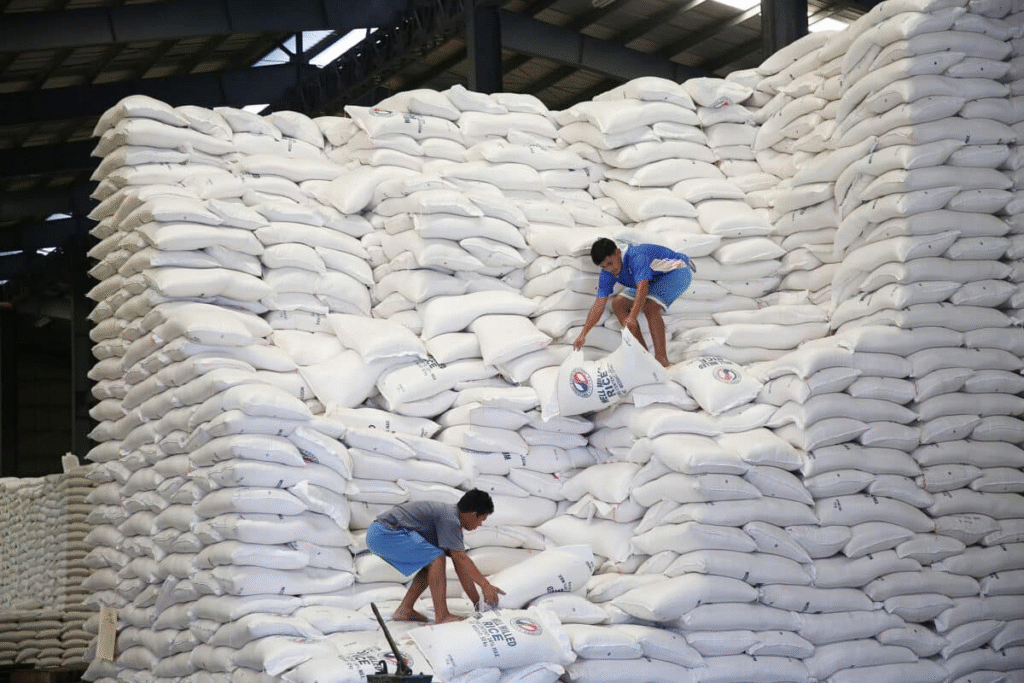
MANILA, Philippines — The international benchmark for rice prices declined by 3 percent in March as the Iran war dampened demand from Persian Gulf at a time when new harvests were coming to the market.
The depreciation of local currencies against the US dollar also dragged down export prices of major rice exporters from Asia.
The Food and Agriculture Organization (FAO) All Rice Price Index averaged 100.1 points in March from 103.2 points a month ago.
On a yearly basis, the figure was 3.8 percent lower than 104.1 points in March last year.
The global rice price index is based on 21 rice export quotations across four grain varieties: indica, aromatic, japonica and glutinous. It is released monthly.
All major market segments registered price reductions during the reporting period.
Middle East disruption
“In Asia, the conflict in the Near East weighed on market sentiment in March, as Persian Gulf countries normally account for 11 percent of globally traded rice volumes and predominantly source rice from Asian origins,” the FAO said.
The FAO said the conflict escalation had dampened trade activity due to the uncertainty in demand and freight cost.
However, deliveries to other major destinations were less affected while alternative routes to the Strait of Hormuz were being explored for Gulf shipments.
“As the conflict escalated, shipments en route to the Persian Gulf were stranded and rerouted, container availability tightened, new bookings to the sub-region were suspended, faced wear and fuel surcharges and hikes in insurance premiums,” it added.
Currency factor
The report also said export prices were mainly down, with currency depreciations against the US dollar contributing to the weak undertone in India, Thailand and Vietnam, the major rice exporters.
In the Philippines, rice imports totaled 1.26 million metric tons as of April 1, data from the Bureau of Plant Industry showed.
Vietnam accounts for more than 80 percent of the Philippines’ total rice imports. Other suppliers include Thailand, Myanmar, Cambodia, Pakistan, India, South Korea and Italy.
“As these disruptions occurred when various Asian suppliers were in the process of harvesting crops or were about to do so, new crop arrivals also compounded,” the FAO said.
The FAO, however, said higher harvesting, milling, packaging and internal transport costs—driven by the surge in global prices of crude oil and its derivatives—partly alleviated supply pressure in various origins.
https://business.inquirer.net/583737/fao-global-rice-price-benchmark-down-3-in-marchPublished Date: April 7, 2026


 READ
READ