Downloads
 Login
Login
 Register


Tags
Rising input costs hamper Philippines rice harvest

By John Reidy
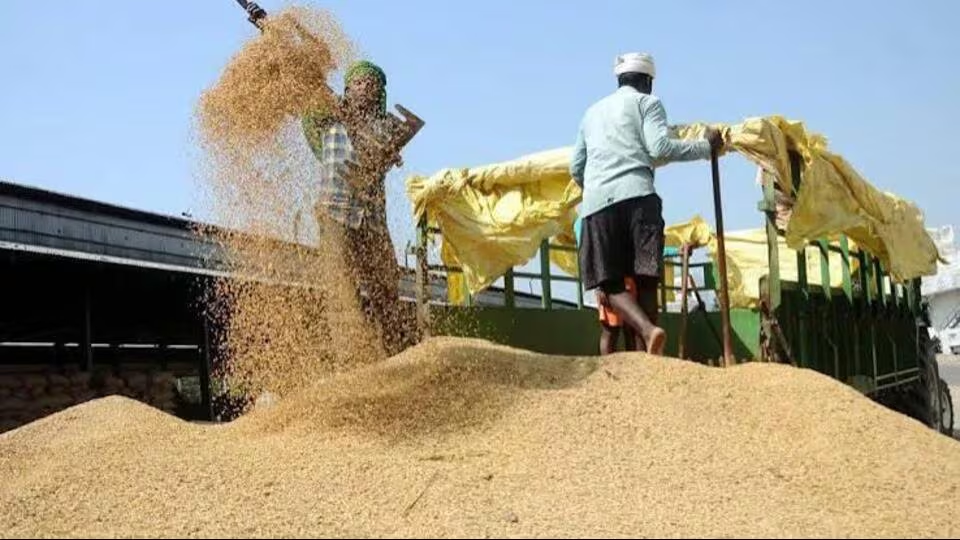
MANILA, PHILIPPINES — As domestic rice output remains insufficient to meet growing demand in the Philippines, imports are forecast to rise in marketing year 2026-27, according to a report from the Foreign Agricultural Service (FAS) of the US Department of Agriculture.
In its annual outlook for the Philippines, the FAS projected rough rice production to marginally increase to 19.68 million tonnes, up 800,000, or 0.4%, from 2025-26. This marginal growth is attributed to continued government support for rice cultivation and favorable weather conditions during the dry season harvest.
“However, rising input costs — particularly for imported chemical fertilizers and petroleum products — are expected to moderate this increase,” the FAS said. “The area harvested is projected to remain at 4.7 million hectares, as farmer contacts report no intent to expand planted area due to rising input costs.”
Rice imports are seen rising to 5.1 million tonnes in 2026-27, up 16% from 4.4 million tonnes. Ending stocks are expected to decline from 2.79 million tonnes from 2.94 million tonnes the previous marketing year due to the impact of the four-month rice import ban in late 2025-26, which reduced stock carryover, the FAS noted.
Rice consumption is projected to increase by 0.3% to 17.65 million tonnes. This marginal increase is primarily attributed to continued population growth and a corresponding increase in demand for staple food products, particularly rice.
“Despite rising retail prices, rice remains the primary carbohydrate source for Filipinos,” the FAS said. “However, rising retail prices for rice are expected to temper rice consumption growth in marketing year 2026-27.”
Meanwhile, corn production is expected to remain flat in 2026-27 at 8.2 million tonnes, up just 0.1%, on planted area of 2.48 million hectares, which is unchanged from the previous year.
Total consumption is forecast to increase 1% to 10.25 million tonnes, due to continued demand from both the feed and food sectors. Imports are seen rising to 2 million tonnes, up 2.6% to meet domestic needs. Ongoing African swine fever cases continue to temper feed corn demand, however, growth in the poultry sector and steady FSI consumption are supporting growth in total corn use.
“While feed millers favor locally produced corn for its yellow color, they are willing to incorporate more imported corn into their formulations if prices are competitive and quality standards — such as color, chalkiness, and grain size — are met,” the FAS said.
The Philippines does not produce wheat and will rely on 7 million tonnes of imports in 2026-27 to meet consumption for food and feed, driven by demand for milling wheat used to produce bakery, noodles, and pasta products.
Industry contacts report that feed wheat continues to be a partial substitute for feed corn, when global prices for feed wheat are more favorable to feed corn or when local feed millers encounter quality concerns for local corn, the FAS said. Moderating demand for feed wheat will push imports down 400,000 from 2025-26. Australia and the United States are the top two overall suppliers of wheat, with the US market share for milling wheat at 82% in 2025.
https://www.world-grain.com/articles/22585-rising-input-costs-temper-philippines-rice-harvestPublished Date: April 1, 2026


 READ
READ