Downloads
 Login
Login
 Register


Tags
Asia rice: Indian export rates steady as demand slows, Vietnamese and Thai rates fall
Reuters
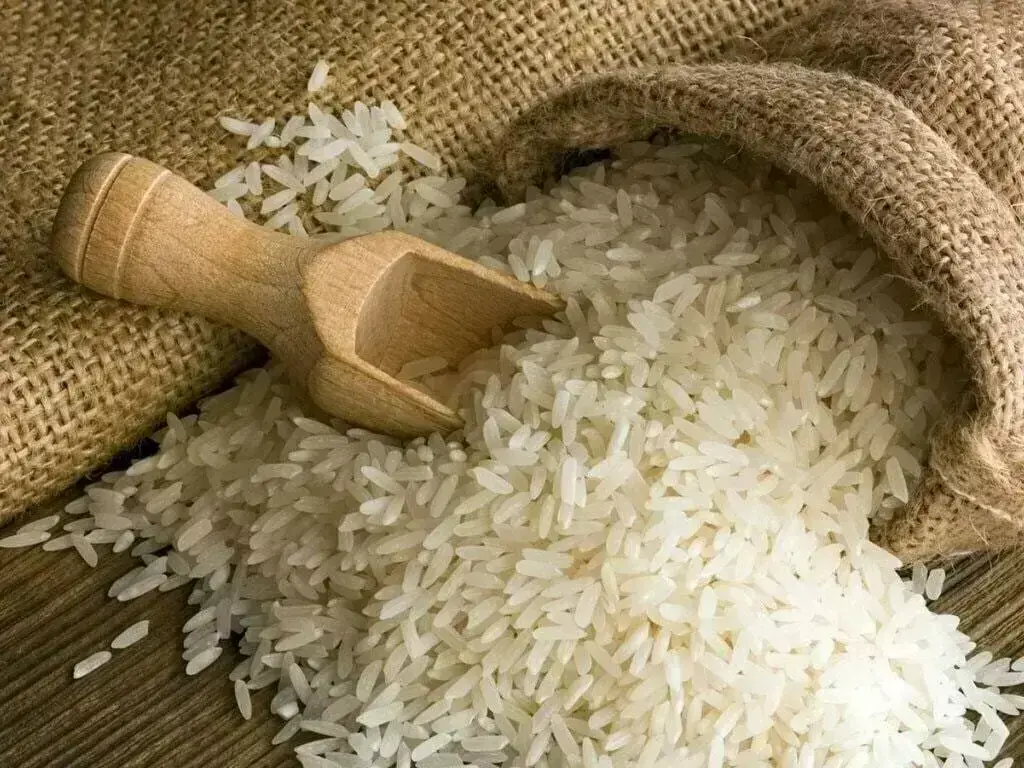
BENGALURU, HANOI, BANGKOK, MUMBAI AND DHAKA: India’s rice export prices were steady this week on subdued demand, Vietnamese rates eased on less buying and growing supply, while Thai rates fell as the currency weakened.
India’s 5percent broken parboiled variety was quoted at USD348-USD353 per metric ton, unchanged from last week. Indian 5percent broken white rice was priced at USD344-USD350. “Supplies are more than sufficient to meet export demand, but rising freight rates have slowed the pace of new orders,” said Mukesh Jain, an exporter based at Raipur, Chhattisgarh. Rice exports from India, which account for more than 40percent of world rice exports, are slowing as the war in Iran pushes up freight and insurance costs, making it harder for exporters to secure vessels, five exporters told Reuters. Shipping insurance costs and freight rates have climbed after maritime traffic through the narrow Strait of Hormuz largely came to a standstill more than a week ago.
Vietnam’s 5percent broken rice was offered at USD355-USD360 per ton, versus USD360-USD365 last week, traders said. “Prices edge lower as domestic supplies are on the rise amid the ongoing winter-spring harvest, while external demand remains weak,” a Ho Chi Minh City-based trader said.
Earlier this month, Vietnam’s prime minister Pham Minh Chinh told the finance ministry to work on a plan to increase national rice reserves to support domestic paddy prices. Chinh also told the State Bank of Vietnam, the country’s central bank, to instruct commercial banks to extend preferential loans to rice traders to increase their purchases of rice from farmers. Vietnam’s rice exports in the January and February period rose 3.5percent from a year earlier to 1.27 million tons, government data showed. Rice export revenue in the period, however, fell 11.9percent to USD594 million.
Thailand’s 5percent broken rice fell to USD370 per ton from USD380 last week, after the baht fell. Traders often lower prices when the currency weakens to offer an effective discount in dollar terms while maintaining their revenue in local currency terms.
“During wartime, people would normally be expected to stockpile food. However, Indian rice is cheaper than Thai rice, and India also has large stockpiles,” a Bangkok-based trader said.
“There are also more buyers for Indian rice than for Thai rice. Thai rice is mostly sold to regular customers,” the trader said. Bangladesh has extended the deadline for private traders to import 200,000 metric tons of rice by one month, allowing shipments to arrive until April 20.
The move comes as the government continues to struggle to cool prices of the staple food despite good harvests and stocks.
https://www.brecorder.com/news/40411383Published Date: March 13, 2026


 READ
READ