Downloads
 Login
Login
 Register


Tags
Pakistan revises rice export rebate scheme to boost competitiveness, removes price cap
Rs15 billion subsidy and removal of $1,275 per tonne price cap aim to enhance export competitiveness amid concerns over over-invoicing.
By Monitoring Desk
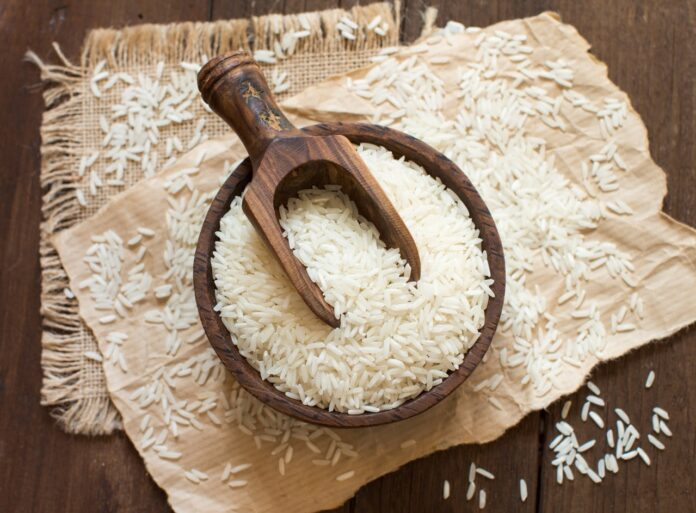
Pakistan’s Ministry of Commerce has amended the Duty and Taxes Remission for Export (DLTL) scheme to address concerns raised by larger rice exporters and to increase Pakistan’s competitiveness in the international market. The revised scheme, which takes effect retroactively from January 23, includes fixed rates for various rice brands and an allocation of approximately Rs 15 billion for subsidies, Dawn reported.
A key change in the new framework is the removal of the $1,275 per tonne price cap, allowing rice exporters to receive 9% of the FOB value for rice priced at $750 or above. This move is expected to incentivise higher invoicing among exporters, particularly those in markets such as Saudi Arabia, the UAE, the US, the EU, and the UK.
However, this decision has raised concerns that it could encourage over-invoicing by Basmati exporters, especially as Indian exporters offer Basmati rice at lower prices, typically between $900 and $975 per tonne.
There are also concerns regarding domestic price inflation. Sources indicate that local growers have already sold Basmati paddy for Rs5,500 to Rs6,000 per 40 kg, while hoarders are demanding Rs6,400 per 40 kg. With the new subsidy in place, the net export price of Pakistani Basmati rice could reach around $1,200 per tonne, making it less competitive against India, where prices are significantly lower.
The amendment has also raised alarms among some stakeholders who fear that large exporters, especially those with entities abroad, may reroute their exports to claim higher subsidies. These exporters, operating in destinations like Saudi Arabia, the UAE, the US, and Africa, may increase the invoiced value to maximize their rebates, according to industry sources.
In a letter to Commerce Minister Jam Kamal Khan, the Federation of Pakistan Chambers of Commerce and Industry (FPCCI) highlighted concerns that the removal of the price cap could harm smaller exporters by excluding them from the DLTL benefits. FPCCI President Atif Ikram Sheikh pointed out that the rice export market is highly competitive and volatile, and the rigid pricing cap might not reflect market conditions, which could negatively impact smaller rice exporters and foreign exchange earnings.
https://profit.pakistantoday.com.pk/2026/02/19/pakistan-revises-rice-export-rebate-scheme-to-boost-competitiveness-removes-price-cap/Published Date: February 20, 2026


 READ
READ