Downloads
 Login
Login
 Register


Tags
Sub-Saharan Africa rice imports surge as local production struggles to keep pace: OSIRIZ
While prices rose by an average of 6% in December 2025 due to a resurgence in demand from Southeast Asia and China, Osiriz points out that by early January 2026, global prices were stable.
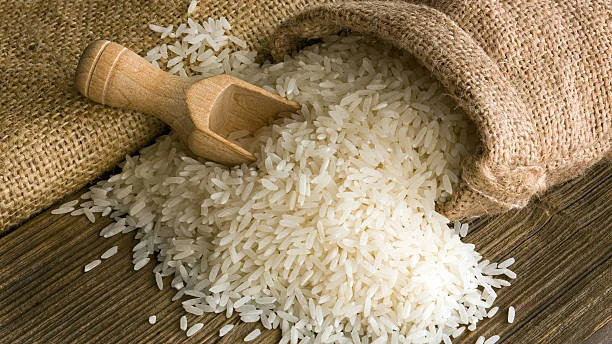
AFRICA – Rice, the second-most-consumed cereal in sub-Saharan Africa after maize, continues to see rising demand across the region, sustaining high import levels amid weak domestic supply chains, according to the latest report from the Observatory of International Rice Statistics (OSIRIZ).
Published in mid‑January, the annual outlook shows a significant increase in rice import volumes for 2025, underlining persistent structural challenges in local production.
OSIRIZ estimates that rice imports into Sub-Saharan Africa reached 22.3 million tonnes in 2025, a 13.7% increase year‑on‑year from 19.6 million tonnes in 2024.
The report attributes the growth to strong consumer demand, limited progress in local production, and an abundant global supply that has enabled consistent rice inflows into the region.
Nigeria, the region’s largest rice market, is a key driver of import growth. The country’s rice imports are estimated at 3.4 million tonnes in 2025, up from 2.9 million tonnes a year earlier.
Côte d’Ivoire also registered a marked increase, with imports reaching an estimated 2.5 million tonnes, representing a 19% year‑on‑year rise.
Senegal’s imports climbed by an estimated 200,000 tonnes to 1.9 million tonnes. Combined, these three markets account for about 35% of sub-Saharan Africa’s external rice supply, highlighting concentrated demand in West Africa’s major consumer economies.
Global market conditions command the import volume
The OSIRIZ report forecasts continuity in 2026, noting that African markets will once again be among the main drivers of global rice demand.
Sub‑Saharan Africa remains strategically important for global rice supply chains, representing roughly one‑third of total global rice imports.
The region has benefitted from shifts in export policy, particularly in India. After easing its trade policy in late 2024, India re‑entered the global export market, intensifying competition with other major Asian suppliers and exerting downward pressure on international rice prices for much of the past year.
Despite a 6% rise in average prices in December 2025, driven by renewed demand from Southeast Asia and China, OSIRIZ notes that by early January 2026 global rice prices were stable or showing slight declines.
“International buyers expect further price reductions before returning to the market. The perception of an export oversupply and a slowdown in import demand is weighing on the global market,” the report states.
Three key trends highlighted for the coming months are continued growth in global production, the restructuring of global trade with India’s strong return, and historically high inventory levels, which currently represent about 40% of global consumption.
Data from consulting firm S&P Global Platts supports this pricing environment.
The data marries with S&P Global Platts. On January 12, the price of Indian white rice with 5% broken grains was quoted at US$347 per tonne FOB, downUS US$3 from the previous month.
This pricing positions India as the most competitive origin among major Asian suppliers, ahead of Thailand (US$370), Vietnam (US$353), and Pakistan (US$384).
Platts’ data also indicates that India could export 24 million tonnes of rice by the end of the 2025/2026 season in September, a 5.2% increase over the previous season.
In an interview with Platts, Nitin Gupta, Deputy Director for India at Olam Agri, said, “India currently has very large stocks, estimated at nearly 57 million tonnes at the beginning of January, to which will be added new volumes from ongoing public purchases.
Eventually, these stocks will necessarily have to be sold on the market, in one form or another.
Expectations of a particularly abundant rabi harvest should increase pressure on supply, with a potential price drop of around US$15 to US$20 per tonne from mid- to late February, or even during the second quarter.
https://millingmea.com/sub-saharan-africa-rice-imports-surge-as-local-production-struggles-to-keep-pace-osiriz/Published Date: January 28, 2026


 READ
READ