Downloads
 Login
Login
 Register


Tags
Commerce Ministry moves to tighten checks on Rs15bn rice export support scheme.
EDF funding approved for three months amid concerns over misuse and sector-wide backlash.
By Monitoring Desk
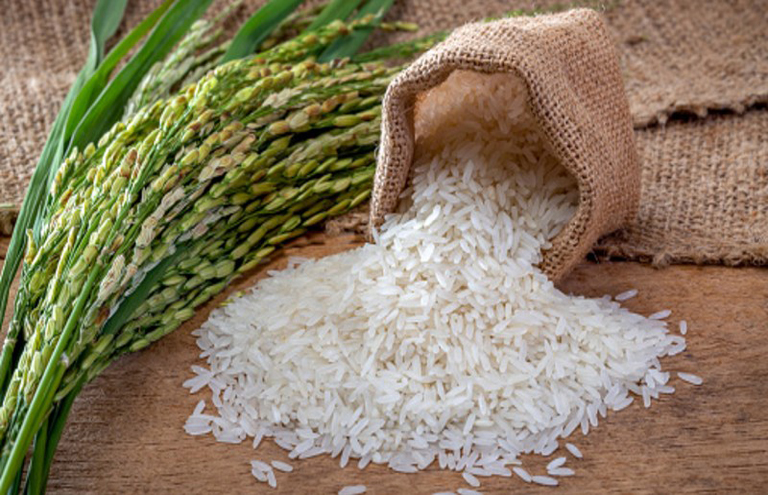
The Ministry of Commerce, in consultation with the State Bank of Pakistan, Pakistan Single Window and Customs, is finalising a monitoring mechanism to prevent misuse of the Rs15 billion financial assistance approved for rice exporters, BR reported, citing sources.
The funding was approved by the Export Development Fund (EDF) Board, chaired by the commerce minister, for an initial three-month period, despite objections from several board members who questioned the use of exporter-funded resources for sector-specific subsidies.
Chairman of the Rice Exporters Association of Pakistan said rice is Pakistan’s second-largest export after textiles and a key contributor to foreign exchange earnings and rural employment. He said rice exports rose to $3.93 billion in FY2024 due to temporary global supply disruptions but fell to $3.35 billion in FY2025 as major exporters re-entered the market.
During July–December of the current financial year, rice exports declined by about $854 million year-on-year, including a $716 million drop in non-basmati exports and a $138 million decline in basmati shipments, reflecting pressure across both segments.
Exporters attributed the decline to global oversupply, India’s return to the market with subsidised exports, and widening price gaps. Indian basmati is currently priced at about $850–900 per tonne, compared with $1,150–1,275 per tonne for Pakistani basmati. Domestic factors, including higher paddy prices, elevated financing costs and stock accumulation in importing countries, have also constrained exports.
REAP said Pakistan has an exportable surplus of around 4.1 million tonnes and argued that short-term financial support could unlock export potential of roughly $2 billion if competitiveness issues are addressed. The association sought support at 9% for basmati and 3% for non-basmati exports until June 30, 2026.
Other export sector representatives opposed the scheme, arguing that incentives such as Duty and Tax Remission fall under federal export policy rather than the EDF’s mandate. They called for a uniform framework for all export sectors and suggested returning Export Development Surcharge collections to exporters instead of cross-subsidising one sector.
The commerce secretary told the board that overall exports have declined during the current year, with rice accounting for nearly 60% of the $1.4 billion drop. He said the prime minister has directed the Finance Division to provide a Rs20 billion federal grant to the EDF in the next financial year to address funding concerns.
Officials said rice production increased to 9.34 million tonnes, with an exportable surplus of 0.6 million tonnes of basmati and 3.5 million tonnes of non-basmati rice, but export volumes fell from 2.9 million tonnes to 1.8 million tonnes in the first half of the year. They estimated that a six-month support scheme would require about Rs30 billion.
Following deliberations, the EDF Board approved Rs15 billion in funding at 3% for non-basmati and 9% for basmati rice on FOB value until June 30, 2026. The board also approved raising the EDF’s annual budget to Rs27.3 billion and directed that disbursements be made through a digital system with strict monitoring and a mandatory 90-day performance review.
https://profit.pakistantoday.com.pk/2026/01/24/commerce-ministry-moves-to-tighten-checks-on-rs15bn-rice-export-support-scheme/Published Date: January 24, 2026


 READ
READ