Downloads
 Login
Login
 Register


Tags
1H rice exports plunge 49.56% YoY
Abdul Rasheed Azad
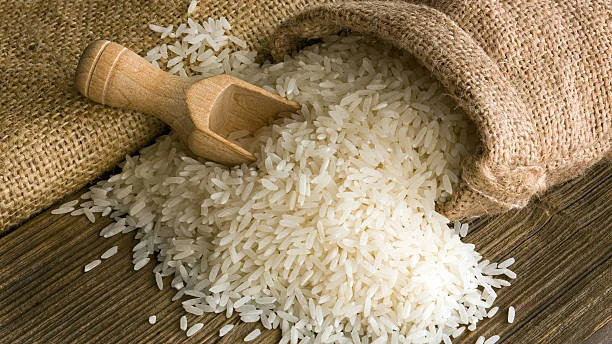
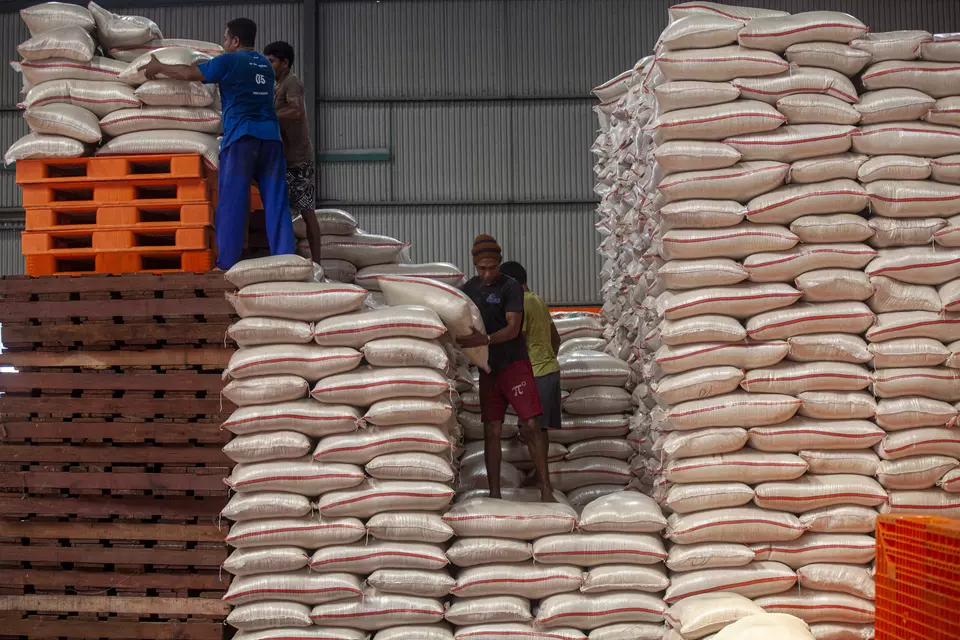
ISLAMABAD: The country’s rice exports have plunged by a staggering 49.56 percent in the first half of the 2025-26 financial year, slumping to just $405 million from USD804.86 million during the same period in 2024-25, according to the latest external trade statistics released on Monday.
According to Pakistan Bureau of Statistic (PBS), during the period under review Pakistan exported basmati rice worth USD170.249 million against USD359.78 million exported in the previous year which reflects a reduction of 52.68 percent, similarly in 2025-26 the country exported USD37.24 million of Irri-6 rice as compared with USD47.7million dollars in corresponding year thus showing a decline of 21.93 percent.
According to data this year Pakistan did not export any volume of sugar which in previous year fetched USD145.85 million in exports. Overall food items export registered a decline of 22.06 percent from USD2.910 billion to USD22.68 billion dollars.
Overall textile sector witnessed a negative growth of 8.56 percent from USD1.477 billion to USD1.350 billion during the period under review.
Main commodities of exports during December, 2025 were knitwear Rs104.270 billion, readymade garments Rs100.179 billion, bed wear Rs62.076 billion, rice others Rs37.296 billion, cotton cloth Rs31.150 million, towels Rs21,833 billion, madeuparticles excluding towels bedwears Rs15.818, cotton yarn Rs15.276 billion, petroleum products excluding top naphta Rs15.048 billion and meat and meat preparation Rs13.686 billion.
According to official data, Pakistan imported goods worth USD34.5 billion between July and December 2025, while exports during the same period stood at just USD15 billion. This imbalance pushed the trade deficit up by 35.52 percent, crossing USD19 billion during first six months of the current financial year.
The figures contradict the narrative of export-led growth and highlight structural weaknesses in Pakistan’s trade balance.
Food imports alone amounted to USD4.63 billion during the six-month period. These included sugar, milk, butter, cream, dry fruits, tea, spices, soy and palm oil, with food and beverage imports rising 21.71 percent year-on-year.
Pakistanis consumed imported tea worth around Rs90 billion in six months, underscoring the scale of reliance on foreign food items.
Imports of smart mobile phones reached nearly USD1 billion in six months, equivalent to about Rs271 billion.
In December alone, phones worth USD160 million, or Rs45 billion, were imported. Mobile phone accessories worth USD350 million (around Rs100 billion) were also imported, adding further pressure to the import bill.
Machinery imports, including equipment for the textile sector, recorded a 16 percent increase to USD5 billion.
Transport equipment, including imported cars, buses, trucks, spare parts, ships and boats, amounted to about USD2 billion.
The petroleum import bill surged to USD8 billion in six months, reflecting Pakistan’s continued dependence on imported energy.
Imported agricultural goods, including fertilizers, pesticides and chemicals, totaled USD5.37 billion. Metals worth USD3.23 billion, including gold, iron, steel and aluminum, were also imported.
Additional imports included rubber products, tyres, wood and paperboard worth more than USD600 million, along with textile goods worth USD3.37 billion, such as raw cotton, synthetic fiber and silk yarn.
The document notes that regional instability has become a major obstacle to Pakistan’s exports. Trade with Afghanistan has remained closed for four months, largely due to the Afghan Taliban regime. Exports have also declined to other key partners, including China, Iran, Bangladesh and Sri Lanka, further weakening Pakistan’s external trade position.
Copyright Business Recorder, 2026
https://www.brecorder.com/news/40404256/1h-rice-exports-plunge-4956-yoyPublished Date: January 27, 2026


 READ
READ