Downloads
 Login
Login
 Register


Tags
Why brown rice takes longer to cook and still feels firm
By Longmere Howard
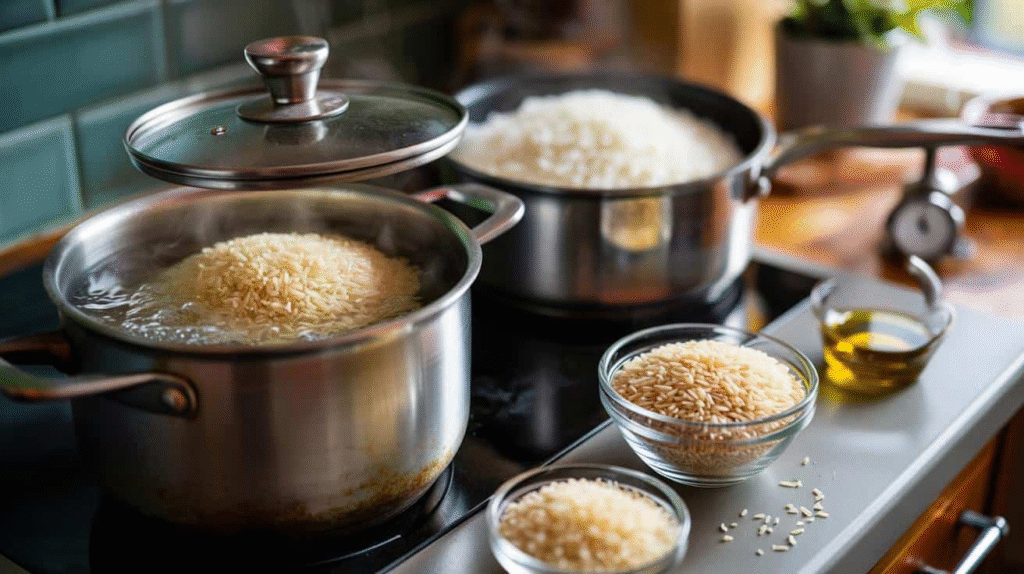
At the stove, it quickly proves otherwise.
The grains take longer, the pan stays on the heat for what feels like ages, and even then the result often feels a touch firm. That contrast with quick‑cooking, fluffy white rice is no accident. It comes down to how the grain is processed, the way its layers behave in hot water, and a few details most home cooks only notice when dinner is running late.
What brown rice actually is
Brown rice is the same plant as white rice, but it is processed less. Only the inedible outer husk is removed. The thin bran layer and the germ at the core remain attached to the grain.
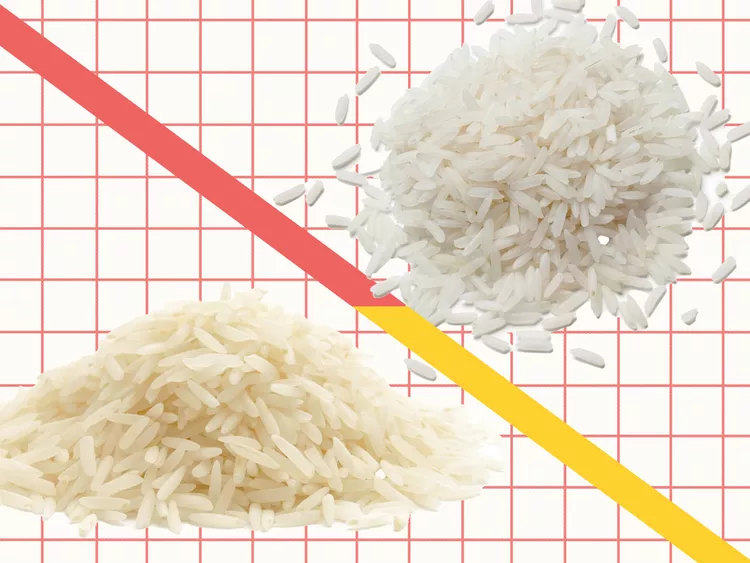
With white rice, that bran and germ are stripped away during milling and polishing. The grain is left with mostly starch and a delicate outer surface that lets water rush in quickly during cooking.
Those remaining layers give brown rice more nutrients and more character on the plate. They also make it behave like a different product altogether once it hits boiling water.
Brown rice keeps its fibre‑rich bran and germ, creating a tougher shell around the starch that resists quick softening.
The bran is rich in insoluble fibre such as cellulose and hemicellulose. These compounds form a kind of protective jacket. That jacket slows water penetration and makes the grain noticeably chewier than a polished white grain from the same field.
Why brown rice takes so long to cook
The long cooking time of brown rice is not a myth or a kitchen mistake. It’s largely a structural issue.
The stubborn outer layers
When brown rice goes into hot water, its fibrous outer layers do not break down easily. Insoluble fibre doesn’t dissolve. It simply hydrates and softens very slowly.
While this outer coat is intact and fairly rigid, the water has a harder time reaching the starchy centre. That slows a key process known as starch gelatinisation, when the starch granules swell, absorb water and turn tender.
The same starch that softens white rice in 15 minutes can take twice as long to loosen up inside an intact bran layer.
For most varieties of brown rice, getting to a tender, cooked state typically takes around 30 to 45 minutes on the hob. By comparison, many white rice types are done in 15 to 20 minutes.
The protected starch core
Because the bran and germ remain around the grain, the core starch is literally shielded. The water has to work through that fibrous belt before it can reach and swell the starch molecules.
This delay is the real reason many cooks feel brown rice is “slow” or “stubborn”. Once the starch finally gels, the change from firm to tender happens quickly, but reaching that moment takes time and steady heat.
Why it still feels firm even after long cooking
A common complaint is that brown rice appears to cook forever and still resists the soft, fluffy texture people associate with white rice. That experience usually has several overlapping causes.
Natural al dente texture
Brown rice almost never becomes as soft as long‑grain white rice cooked for the same purpose. Those fibres and intact layers mean there is always a little bite left in the grain.
This does not mean it is raw. A properly cooked brown rice grain looks fully hydrated, has no chalky centre and is comfortable to chew, yet keeps a gentle, al dente resistance.
Grain age, storage and variety
The age of the rice and how it was stored matter. Grains that are older or kept in warm, dry conditions tend to harden and lose moisture. They then need more time and more water to rehydrate.
Variety also changes the outcome. Short‑grain brown rice, for instance, often cooks a little softer and sticks together more readily. Long‑grain brown rice is usually drier and stays separate, which can feel firmer on the fork.
If the grain is old, dry or naturally firm, no amount of wishful thinking will make it behave like fluffy white rice.
Pan choice plays a role as well. Thin pans may cause hot spots and evaporation before the grains are fully hydrated. Heavy‑bottomed pots hold steady heat and help the water work its way evenly through the batch.
How to make brown rice softer without losing your evening
There are several practical ways to coax a gentler texture from brown rice while keeping its flavour and nutritional benefits.
| Technique | What to do | Effect on texture |
|---|---|---|
| Soaking | Leave the grains in water for 30 minutes to up to 8 hours before cooking. | Pre-hydrates the bran, shortens cooking time and softens the outer layer. |
| Higher water ratio | Use around 2.5 to 3 cups of water for each cup of brown rice. | Ensures more complete hydration and reduces the chance of tough grains. |
| Gentle, steady heat | Cook with the lid on over low heat from start to finish. | Lets the rice cook evenly without drying the surface. |
| Resting time | Turn off the heat and leave the pan covered for 5 to 10 minutes. | Gives the grains time to finish absorbing steam and relax. |
| Pressure or electric cooker | Use a pressure cooker or rice cooker set for whole grains. | Higher, constant temperature softens the grain more quickly. |
| Fat in the pan | Start by gently toasting the rice in a little oil or olive oil. | Improves mouthfeel and can make the outer layer feel less dry. |
Soaking is the step many people skip, yet it has one of the biggest impacts. Even a short half‑hour soak can knock several minutes off the cooking time and reduce that “bullet‑like” bite that puts some people off.
Pressure cookers and electric rice cookers bring another advantage: consistency. They hold both temperature and pressure at stable levels so the water penetrates more reliably. The grain still stays slightly firm, but the texture tends to be more even from pot to pot.
Nutrition, shelf life and kitchen trade‑offs
One reason people persist with brown rice, despite the extra effort, is its nutritional profile. Because it still carries the bran and germ, brown rice is richer in B vitamins, minerals like magnesium and phosphorus, and a set of plant compounds known as bioactive phytochemicals.
The extra fibre also has a clear functional effect on the body. It supports digestive health, steadies blood sugar rises and helps people feel full for longer after a meal.
The same layers that slow cooking are the ones that bring more fibre, more micronutrients and longer‑lasting satiety.
There is a trade‑off in storage. Those outer layers contain natural oils that can go rancid faster than the mostly starchy interior of white rice. Brown rice generally has a shorter shelf life and benefits from storage in a cool, dry, dark place, preferably in an airtight container.
Some households keep brown rice in the fridge or freezer to extend its life and slow oxidation of those oils, especially in warmer climates.
Practical scenarios and ways to use that firmness
That persistent bite can turn into an advantage, depending on what you’re cooking. For grain bowls, salads or stuffed vegetables, slightly firm brown rice holds its shape well. It doesn’t collapse when mixed with sauces, roasted vegetables or beans.
Home cooks who want softer results for stews or soups can cook the rice a little longer than usual and use a higher water ratio so the final dish has a creamier texture.
- For salads, aim for a firm‑tender grain and cool it on a tray to stop cooking.
- For comfort dishes, cook with extra water and let some grains break slightly for a creamier base.
- For meal prep, undercook by a minute or two if the rice will be reheated later.
Mixing brown and white rice in the same pot is another tactic some families use while adjusting to the change in texture. The white grains cook faster and become soft, while the brown grains keep a bit of chew. The result has a mixed texture and a milder shift in flavour than a full switch to brown.
That approach also highlights how different processing levels affect cooking. With both types in the same pan, the contrast between polished and intact grains becomes visible, grain by grain, on your plate.
Terms worth knowing when you cook brown rice
Two food science concepts help explain what is going on in that pot.
Gelatinisation is the moment when starch granules absorb water, swell and lose their rigid, crystalline structure. This is when rice turns from hard to tender. Brown rice delays this moment because water has to get through the bran first.
Hydration is simply the process of water moving into the grain. Soaking and slow cooking are both ways of helping hydration happen more completely, so fewer grains feel dry or tough in the centre.
Once those processes are understood, the stubbornness of brown rice looks less like a kitchen failure and more like a natural consequence of keeping the grain closer to its original form. The same layers that test your patience on a weeknight are the ones that change how it feels, tastes and nourishes you long after the pan has left the stove.
https://www.flomenhaftgallery.com/28-170477-why-brown-rice-takes-longer-to-cook-and-still-feels-firm/Published Date: March 1, 2026


 READ
READ